

fluttering shearwater vs campbell islands shag
Puffinus gavia versus Leucocarbo campbelli
Jogue um quiz com fluttering shearwater e campbell islands shag
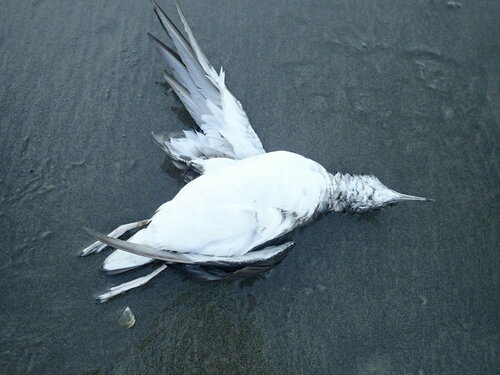 fluttering shearwater
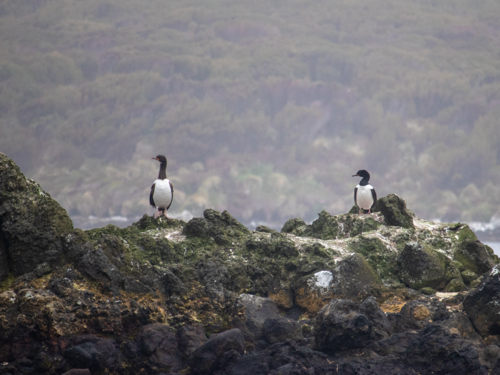 campbell islands shag
Em resumo
A marca de campo mais confiável para separar o fluttering shearwater do campbell islands shag é a estrutura e o tamanho geral: o shag é uma ave muito maior e mais pesada, com um pescoço longo e uma postura distinta semelhante à de um corvo-marinho, enquanto o shearwater é uma ave marinha compacta e de asas estreitas, com um voo baixo e rápido. Em voo, o fluttering shearwater exibe uma asa superior escura e uma asa inferior branca com uma mancha escura na coxa, enquanto o campbell islands shag tem asas largas com manchas brancas óbvias e uma barriga e queixo brancos contrastantes. Shags juvenis e não reprodutores podem parecer mais marrons, mas sempre mantêm a forma pesada e de pescoço longo. Ambas as espécies podem ser vistas em águas costeiras, mas o contexto e a estrutura geralmente são decisivos.
Dicas de identificação
- Tamanho e estrutura: O campbell islands shag é muito maior, mais robusto e com pescoço mais longo do que o fluttering shearwater. Mesmo à distância, a forma semelhante à de um corvo-marinho do shag é óbvia; o shearwater é compacto e aerodinâmico. Esta é a marca mais confiável em todas as condições.
- Forma do bico: O shag tem um bico grosso e curvado com uma mancha amarela na base (reprodução), enquanto o bico do shearwater é longo, fino e escuro. A forma do bico é visível a uma distância moderada, especialmente quando empoleirado ou nadando.
- Pescoço e postura: Os shags têm um pescoço longo e flexível e uma postura ereta quando empoleirados; os shearwaters têm pescoços curtos e ficam baixos na água.
- Estilo de voo: O fluttering shearwater voa baixo sobre o mar com batidas rápidas das asas e planagens curtas, muitas vezes em linhas soltas. O campbell islands shag voa com a cabeça abaixo do corpo e batidas das asas mais pesadas e profundas; raramente plana e muitas vezes voa em bandos apertados.
- Plumagem – partes superiores: O shearwater é uniformemente marrom escuro acima; o shag é preto brilhante (reprodução) ou acastanhado (imatura/não reprodutora) com um brilho metálico. As partes superiores do shag nunca são tão simples quanto as do shearwater.
- Plumagem – partes inferiores: O shearwater é branco abaixo do queixo até a cauda, com uma mancha escura na coxa visível em voo; o shag também é branco abaixo, mas com um pescoço e cabeça pretos em forte contraste, e manchas brancas ousadas nas asas. O branco do shag é mais extenso e com bordas mais limpas.
- Plumagem – asa inferior: O shearwater exibe asas inferiores brancas com uma mancha escura na coxa; o shag tem amplas manchas brancas nas asas visíveis de baixo e de cima, especialmente em adultos.
- Cauda: A cauda do shearwater é curta e em forma de leque em voo; a cauda do shag é mais longa e em forma de cunha, muitas vezes aberta quando empoleirada.
- Projeção dos pés: Os pés rosados do shearwater se estendem além da cauda em voo; os pés rosados do shag não projetam além da cauda.
- Cor das partes nuas: O shag apresenta pés rosados e, na reprodução, pele facial colorida (amarela, roxa, laranja); as pernas do shearwater são rosadas com manchas escuras, o bico sempre é escuro.
- Cresta: Shags reprodutores têm uma crista na cabeça; os shearwaters nunca têm. Shags imaturos/não reprodutores não têm a crista, mas mantêm a estrutura pesada.
- Voz: O shearwater emite um chamado áspero e desconexo em voo; o shag é em sua maioria silencioso no mar.
- Contexto do habitat: O campbell islands shag é encontrado apenas na Ilha Campbell e ilhotas próximas; qualquer ave semelhante em outro lugar é um shearwater. O shearwater é amplamente distribuído ao redor da Nova Zelândia e migra para a Austrália/Solomões.
- Comportamento na água: Os shags frequentemente ficam eretos em rochas ou na água, às vezes com as asas abertas; os shearwaters ficam baixos e raramente empoleiram, exceto em colônias.
- Comportamento em bandos: Os shags forrageiam em bandos apertados e coordenados com mergulhos sincronizados; os shearwaters se alimentam em grupos mais soltos, mergulhando individualmente.
Tamanho
O campbell islands shag é dramaticamente maior: cerca de 63 cm de comprimento, com uma envergadura de 105 cm e pesando 1,6–2 kg [wikipedia]. O fluttering shearwater é muito menor, com fêmeas pesando em média 302 g e machos 243 g [wikipedia]. O volume do shag, seu pescoço longo e seu bico pesado são óbvios mesmo à distância, enquanto o shearwater é esbelto, de pescoço curto e corpo leve. Em bandos mistos de aves marinhas, a diferença de tamanho é inconfundível.
Plumagem
-
Aves juvenis/imaturas: Os juvenis do fluttering shearwater se parecem com os adultos, mas podem ter bordas das coberturas das asas mais claras; não há padrões de asas específicos por idade, mas a asa inferior é sempre predominantemente branca com uma mancha escura na coxa. Os juvenis do campbell islands shag e os adultos não reprodutores são mais marrons no geral, com partes nuas mais opacas, mas ainda mostram a barriga, queixo e manchas brancas nas asas. Nenhuma marca distinta em 'W' ou triângulo é notada para a asa superior de qualquer uma das espécies em voo.
-
Adultos: O fluttering shearwater é marrom escuro acima e branco abaixo, com uma asa inferior branca e mancha escura na coxa; as partes superiores são uniformemente marrons escuras, com uma cauda curta em forma de leque. O campbell islands shag é preto e branco, com queixo, partes inferiores e manchas brancas nas asas, pescoço/cabeça/costas pretos, e um brilho metálico verde-azulado nas penas pretas. Na época de reprodução, o shag apresenta uma crista na cabeça e pele facial colorida, mas mesmo fora da reprodução, a barriga branca e as manchas nas asas são diagnósticas. O bico do shag é grosso e curvado; o do shearwater é longo, fino e escuro. As pernas do shearwater são rosadas com manchas escuras, e os pés se estendem além da cauda em voo; os pés do shag são rosados, mas não projetam além da cauda.
Comportamento
O fluttering shearwater voa baixo e rápido sobre a água, com batidas rápidas das asas e planagens curtas, muitas vezes em bandos soltos. Ele mergulha usando suas asas para perseguição subaquática. O campbell islands shag voa com a cabeça abaixo do corpo, muitas vezes em bandos apertados, e forrageia por meio de mergulhos coordenados, às vezes com até 100 aves. Na água ou nas rochas, o shag fica ereto, muitas vezes secando suas asas, enquanto o shearwater raramente empoleira, exceto em colônias de reprodução. A forrageação do shag é mais social e dramática, com mergulhos sincronizados.
Habitat
O fluttering shearwater é encontrado ao redor da Nova Zelândia, reproduzindo-se nas ilhas principais e migrando para a Austrália e as Ilhas Salomão; utiliza mares abertos e costas rochosas. O campbell islands shag é restrito à Ilha Campbell e ilhotas próximas, nunca longe da terra, e reproduz apenas lá. Ambos utilizam águas costeiras, mas o shag é uma especialidade local da Ilha Campbell subantártica, enquanto o shearwater é amplamente distribuído e migratório.
Voz
O fluttering shearwater tem um chamado distinto e desconexo: 'ka-hek-ka-hek-ka-hek', geralmente emitido em voo. O campbell islands shag não é descrito como vocal no mar; suas exibições de cortejo incluem vocalizações, mas nenhum chamado específico é notado para separação em campo.
fluttering shearwater · campbell islands shag · Minhas aves difíceis