

Motmot

ミナミミズナギドリ 対 ノドオビムナジロウ

Puffinus gavia 対 Leucocarbo campbelli

ミナミミズナギドリとノドオビムナジロウのクイズ
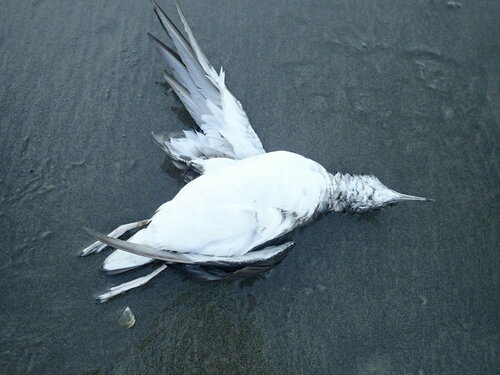
ミナミミズナギドリ (Puffinus gavia) ミナミミズナギドリ
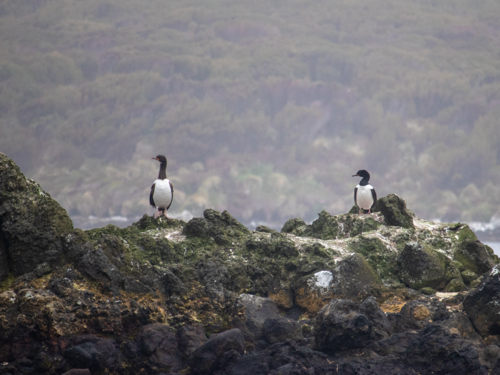
ノドオビムナジロウ (Leucocarbo campbelli) ノドオビムナジロウ

メディア

読み込み中…

要点

ミナミミズナギドリとノドオビムナジロウを区別する最も信頼できるフィールドマークは、全体的な構造とサイズです:ノドオビムナジロウは、長い首と特徴的なコウモリのような姿勢を持つ、はるかに大きく、重い体の鳥です。一方、ミナミミズナギドリは、コンパクトで狭い翼を持つ海鳥で、低く速い飛行をします。飛行中、ミナミミズナギドリは暗い上翼と白い下翼、暗い太ももパッチを示し、ノドオビムナジロウは明らかな白い翼のパッチと対照的な白い腹部と顎を持つ広い翼を持っています。幼鳥や非繁殖のノドオビムナジロウは、より茶色く見えることがありますが、常に重く長い首の形を保持しています。両種は沿岸の水域で見ることができますが、文脈と構造が通常決定的です。

識別のコツ

  1. Size and structure: ノドオビムナジロウはミナミミズナギドリよりもはるかに大きく、がっしりしていて、長い首を持っています。距離があっても、ノドオビムナジロウのコウモリのような形は明らかです;ミナミミズナギドリはコンパクトで流線型です。これはすべての条件で最も信頼できるマークです。
  2. Bill shape: ノドオビムナジロウは、黄色の基部パッチ(繁殖時)を持つ厚くてフック状のくちばしを持っており、ミナミミズナギドリのくちばしは長く、細く、暗いです。くちばしの形は、中程度の距離で特に止まっているときや泳いでいるときに見えます。
  3. Neck and posture: ノドオビムナジロウは、止まっているときに長く柔軟な首と直立した姿勢を持っています;ミナミミズナギドリは短い首を持ち、水面に低く座ります。
  4. Flight style: ミナミミズナギドリは、急速な翼の動きと短い滑空で海の上を低く飛び、しばしば緩やかな列を形成します。ノドオビムナジロウは、体の下に頭を下げて飛び、より重く深い翼の動きで飛びます;滑空することはほとんどなく、しばしば密集した群れで飛びます。
  5. Plumage – upperparts: ミナミミズナギドリは上面が均一に暗い茶色です;ノドオビムナジロウは光沢のある黒(繁殖時)または茶色がかった(未成熟/非繁殖時)で、金属的な光沢があります。ノドオビムナジロウの上面は、ミナミミズナギドリのように単調ではありません。
  6. Plumage – underparts: ミナミミズナギドリは顎から尾の下まで白く、飛行中に暗い太ももパッチが見えます;ノドオビムナジロウも下側は白いですが、はっきりと対照的な黒い首と頭、そして大胆な白い翼のパッチがあります。ノドオビムナジロウの白はより広範で、きれいなエッジを持っています。
  7. Plumage – underwing: ミナミミズナギドリは暗い太ももパッチのある白い下翼を示します;ノドオビムナジロウは、特に成鳥では、下からも上からも見える広い白い翼のパッチを持っています。
  8. Tail: ミナミミズナギドリの尾は短く、飛行中は扇形です;ノドオビムナジロウの尾は長く、よりくさび形で、止まっているときにしばしば扇状になります。
  9. Feet projection: ミナミミズナギドリのピンクがかった茶色の足は、飛行中に尾を超えて伸びます;ノドオビムナジロウのピンクの足は尾を超えて伸びません。
  10. Bare parts color: ノドオビムナジロウはピンクの足を示し、繁殖時にはカラフルな顔の皮膚(黄色、紫、オレンジ)を持っています;ミナミミズナギドリの脚はピンクがかった茶色で、暗い水かきがあり、くちばしは常に暗いです。
  11. Crest: 繁殖時のノドオビムナジロウは頭に冠があります;ミナミミズナギドリには冠はありません。未成熟/非繁殖のノドオビムナジロウは冠がありませんが、重い構造を保持しています。
  12. Voice: ミナミミズナギドリは飛行中に厳しい、ばらばらの鳴き声を出します;ノドオビムナジロウは海ではほとんど静かです。
  13. Habitat context: ノドオビムナジロウはキャンベル島とその近くにのみ見られ、他の場所にいる類似の鳥はミナミミズナギドリです。ミナミミズナギドリはニュージーランド全域に広がり、オーストラリア/ソロモン諸島に移動します。
  14. Behavior on water: ノドオビムナジロウはしばしば岩や水の上に直立して座り、時には翼を広げます;ミナミミズナギドリは低く座り、コロニー以外ではめったに止まることはありません。
  15. Flock behavior: ノドオビムナジロウは、同期したダイビングで密集した調整された群れで餌を探します;ミナミミズナギドリは、緩やかなグループで餌を探し、個別にダイビングします。

大きさ

ノドオビムナジロウは劇的に大きく、約63 cmの長さで、翼幅は105 cm、体重は1.6–2 kgです [wikipedia]。ミナミミズナギドリははるかに小さく、雌は平均302 g、雄は243 gです [wikipedia]。ノドオビムナジロウの体格、長い首、重いくちばしは、距離があっても明らかであり、ミナミミズナギドリはスリムで短い首、軽い体を持っています。混合海鳥の群れでは、サイズの差は明白です。

羽色

行動

ミナミミズナギドリは水の上を低く速く飛び、急速な翼の動きと短い滑空を伴い、しばしば緩やかな群れで飛びます。翼を使って水中で追跡するためにダイビングします。ノドオビムナジロウは体の下に頭を下げて飛び、しばしば密集した群れで飛び、最大100羽の鳥とともに調整されたダイビングで餌を探します。水上や岩の上で、ノドオビムナジロウは直立して座り、しばしば翼を乾かし、ミナミミズナギドリは繁殖コロニー以外ではめったに止まりません。ノドオビムナジロウの餌探しはより社交的で劇的であり、同期したダイビングを伴います。

生息環境

ミナミミズナギドリはニュージーランド周辺に見られ、主要な島で繁殖し、オーストラリアとソロモン諸島に移動します;開けた海と岩の多い岸を利用します。ノドオビムナジロウはキャンベル島とその近くの小島に制限され、決して陸から遠く離れず、そこでのみ繁殖します。両者は沿岸の水域を利用しますが、ノドオビムナジロウは亜南極のキャンベル島の地元の特産品であり、ミナミミズナギドリは広範囲にわたって移動します。

声

ミナミミズナギドリは特徴的でばらばらの鳴き声を持ちます:'ka-hek-ka-hek-ka-hek'、通常は飛行中に出されます。ノドオビムナジロウは海で声を出すことは記述されておらず、求愛行動には声を出すことが含まれますが、フィールドでの区別のための特定の鳴き声は記載されていません。

より良い説明を送る

比較と同じ項目を使ってください。文章はすぐに公開されます。

The most reliable field mark to separate Fluttering Shearwater from Campbell Islands Shag is overall structure and size: the shag is a much larger, heavier-bodied bird with a long neck and distinctive cormorant-like posture, while the shearwater is a compact, narrow-winged seabird with a low, fast flight. In flight, Fluttering Shearwater shows a dark upperwing and white underwing with a dark thigh patch, while Campbell Islands Shag has broad wings with obvious white wing patches and a contrasting white belly and chin. Juvenile and non-breeding shags can appear browner, but always retain the heavy, long-necked shape. Both species may be seen in coastal waters, but context and structure are usually decisive.

  1. Size and structure: Campbell Islands Shag is much larger, bulkier, and longer-necked than Fluttering Shearwater. Even at a distance, the shag's cormorant-like shape is obvious; the shearwater is compact and streamlined. This is the most reliable mark in all conditions.
  2. Bill shape: The shag has a thick, hooked bill with a yellow base patch (breeding), while the shearwater's bill is long, thin, and dark. Bill shape is visible at moderate range, especially when perched or swimming.
  3. Neck and posture: Shags have a long, flexible neck and upright stance when perched; shearwaters have short necks and sit low to the water.
  4. Flight style: Fluttering Shearwater flies low over the sea with rapid wingbeats and short glides, often in loose lines. Campbell Islands Shag flies with its head below its body and heavier, deeper wingbeats; it rarely glides and often flies in tight flocks.
  5. Plumage – upperparts: Shearwater is uniformly dark brown above; shag is glossy black (breeding) or brownish (immature/non-breeding) with a metallic sheen. The shag's upperparts are never as plain as the shearwater's.
  6. Plumage – underparts: Shearwater is white below from chin to undertail, with a dark thigh patch visible in flight; shag is also white below, but with a sharply contrasting black neck and head, and bold white wing patches. The shag's white is more extensive and cleaner-edged.
  7. Plumage – underwing: Shearwater shows white underwings with a dark thigh patch; shag has broad white wing patches visible from below and above, especially in adults.
  8. Tail: Shearwater's tail is short and fan-shaped in flight; shag's tail is longer and more wedge-shaped, often fanned when perched.
  9. Feet projection: Shearwater's pinkish-brown feet extend beyond the tail in flight; shag's pink feet do not project past the tail.
  10. Bare parts color: Shag shows pink feet and, in breeding, colorful facial skin (yellow, purple, orange); shearwater's legs are pinkish-brown with dark webs, bill always dark.
  11. Crest: Breeding shags have a head crest; shearwaters never do. Immature/non-breeding shags lack the crest but retain the heavy structure.
  12. Voice: Shearwater gives a harsh, disjointed call in flight; shag is mostly silent at sea.
  13. Habitat context: Campbell Islands Shag is only found at Campbell Island and nearby; any similar bird elsewhere is a shearwater. Shearwater is widespread around New Zealand and migrates to Australia/Solomons.
  14. Behavior on water: Shags often sit upright on rocks or water, sometimes with wings spread; shearwaters sit low and rarely perch except at colonies.
  15. Flock behavior: Shags forage in tight, coordinated flocks with synchronized diving; shearwaters feed in looser groups, diving individually.

Campbell Islands Shag is dramatically larger: about 63 cm in length, with a wingspan of 105 cm and weighing 1.6–2 kg [wikipedia]. Fluttering Shearwater is much smaller, with females averaging 302 g and males 243 g [wikipedia]. The shag's bulk, long neck, and heavy bill are obvious even at a distance, while the shearwater is slim, short-necked, and light-bodied. In mixed seabird flocks, the size gap is unmistakable.

  • Juvenile/immature birds: Fluttering Shearwater juveniles look like adults but may have paler wing covert edges; there are no strong age-specific wing patterns, but the underwing is always mostly white with a dark thigh patch. Campbell Islands Shag juveniles and non-breeding adults are browner overall, with duller bare parts, but still show the white belly, chin, and wing patches. No distinctive 'W' or triangle marks are noted for either species' upperwing in flight.

  • Adults: Fluttering Shearwater is dark brown above and white below, with a white underwing and dark thigh patch; upperparts are uniform dark brown, with a short, fan-shaped tail. Campbell Islands Shag is black-and-white, with a white chin, underparts, and wing patches, black neck/head/back, and a metallic greenish-blue sheen to the black feathers. In breeding season, the shag shows a head crest and colorful facial skin, but even outside breeding, the white belly and wing patches are diagnostic. The shag's bill is thick and hooked; the shearwater's is long, thin, and dark. The shearwater's legs are pinkish-brown with dark webs, and feet extend beyond the tail in flight; the shag's feet are pink, but do not project past the tail.

Fluttering Shearwater flies low and fast over the water, with rapid wingbeats and short glides, often in loose flocks. It dives using its wings for pursuit underwater. Campbell Islands Shag flies with its head below its body, often in tight flocks, and forages by coordinated diving, sometimes with up to 100 birds. On the water or rocks, the shag sits upright, often drying its wings, while the shearwater rarely perches except at breeding colonies. The shag's foraging is more social and dramatic, with synchronized diving.

Fluttering Shearwater is found around New Zealand, breeding on the main islands and migrating to Australia and the Solomon Islands; it uses open seas and rocky shores. Campbell Islands Shag is restricted to Campbell Island and nearby islets, never far from land, and breeds only there. Both use coastal waters, but the shag is a local specialty of subantarctic Campbell Island, while the shearwater is widespread and migratory.

Fluttering Shearwater has a distinctive, disjointed call: 'ka-hek-ka-hek-ka-hek', usually given in flight. Campbell Islands Shag is not described as vocal at sea; its courtship displays include vocalizing, but no specific call is noted for field separation.

変更を破棄しますか?

保存していない編集があります。今離れると失われます。

ミナミミズナギドリ · ノドオビムナジロウ · 苦手な鳥