

Fluttering Shearwater vs Campbell Islands Shag
Puffinus gavia contro Leucocarbo campbelli
Fai un quiz con Fluttering Shearwater e Campbell Islands Shag
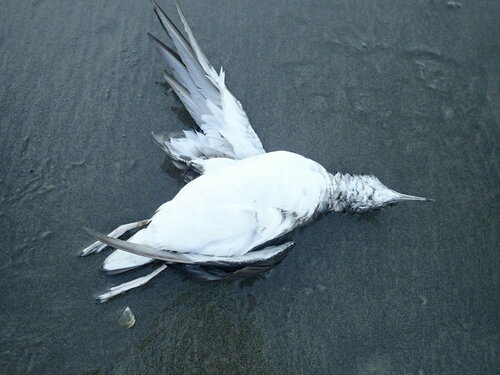 Fluttering Shearwater
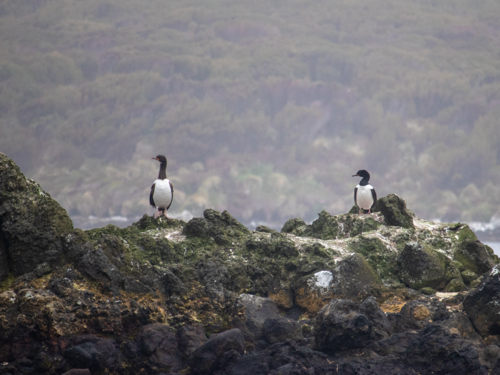 Campbell Islands Shag
In breve
Il segno di campo più affidabile per separare il Fluttering Shearwater dal Campbell Islands Shag è la struttura e la dimensione complessive: il shag è un uccello molto più grande e pesante con un collo lungo e una postura distintiva simile a un cormorano, mentre il shearwater è un uccello marino compatto e dalle ali strette con un volo basso e veloce. In volo, il Fluttering Shearwater mostra un'ala superiore scura e un'ala inferiore bianca con una macchia scura sulla coscia, mentre il Campbell Islands Shag ha ali larghe con evidenti macchie bianche e un ventre e un mento bianchi in contrasto. I giovani e i shag non in riproduzione possono apparire più marroni, ma mantengono sempre la forma pesante e dal collo lungo. Entrambe le specie possono essere viste nelle acque costiere, ma il contesto e la struttura sono solitamente decisivi.
Consigli di identificazione
- Dimensione e struttura: Il Campbell Islands Shag è molto più grande, più robusto e con un collo più lungo rispetto al Fluttering Shearwater. Anche a distanza, la forma simile a un cormorano del shag è evidente; il shearwater è compatto e aerodinamico. Questo è il segno più affidabile in tutte le condizioni.
- Forma del becco: Il shag ha un becco spesso e ricurvo con una macchia gialla alla base (riproduzione), mentre il becco del shearwater è lungo, sottile e scuro. La forma del becco è visibile a distanza moderata, specialmente quando è posato o nuota.
- Collo e postura: Gli shag hanno un collo lungo e flessibile e una postura eretta quando sono posati; i shearwaters hanno colli corti e si siedono bassi sull'acqua.
- Stile di volo: Il Fluttering Shearwater vola basso sopra il mare con battiti d'ala rapidi e brevi planate, spesso in linee sciolte. Il Campbell Islands Shag vola con la testa sotto il corpo e battiti d'ala più pesanti e profondi; raramente plana e spesso vola in stormi compatti.
- Piumaggio – parti superiori: Il shearwater è uniformemente marrone scuro sopra; il shag è nero lucido (riproduzione) o marrone (immaturo/non in riproduzione) con una lucentezza metallica. Le parti superiori del shag non sono mai così semplici come quelle del shearwater.
- Piumaggio – parti inferiori: Il shearwater è bianco sotto dal mento alla coda, con una macchia scura sulla coscia visibile in volo; il shag è anch'esso bianco sotto, ma con un collo e una testa neri in netto contrasto e audaci macchie bianche sulle ali. Il bianco del shag è più esteso e con bordi più netti.
- Piumaggio – ala inferiore: Il shearwater mostra ali inferiori bianche con una macchia scura sulla coscia; il shag ha ampie macchie bianche sulle ali visibili dall'alto e dal basso, specialmente negli adulti.
- Coda: La coda del shearwater è corta e a forma di ventaglio in volo; la coda del shag è più lunga e a forma di cuneo, spesso aperta quando è posato.
- Proiezione dei piedi: I piedi rosa-marroni del shearwater si estendono oltre la coda in volo; i piedi rosa del shag non si proiettano oltre la coda.
- Colore delle parti nude: Il shag mostra piedi rosa e, in riproduzione, pelle facciale colorata (gialla, viola, arancione); le gambe del shearwater sono rosa-marroni con membrane scure, il becco è sempre scuro.
- Cresta: Gli shag in riproduzione hanno una cresta sulla testa; i shearwaters non ce l'hanno mai. Gli shag immaturi/non in riproduzione non hanno la cresta ma mantengono la struttura pesante.
- Voce: Il shearwater emette un richiamo aspro e disgiunto in volo; il shag è per lo più silenzioso in mare.
- Contesto dell'habitat: Il Campbell Islands Shag si trova solo a Campbell Island e nelle isole vicine; qualsiasi uccello simile altrove è un shearwater. Il shearwater è diffuso intorno alla Nuova Zelanda e migra verso Australia/Solomoni.
- Comportamento sull'acqua: Gli shag spesso si siedono eretti su rocce o acqua, a volte con le ali spiegate; i shearwaters si siedono bassi e raramente si posano tranne che nelle colonie.
- Comportamento in stormo: Gli shag si nutrono in stormi compatti e coordinati con immersioni sincronizzate; i shearwaters si nutrono in gruppi più sciolti, immergendosi individualmente.
Taglia
Il Campbell Islands Shag è drammaticamente più grande: circa 63 cm di lunghezza, con un'apertura alare di 105 cm e un peso di 1,6–2 kg [wikipedia]. Il Fluttering Shearwater è molto più piccolo, con le femmine che pesano in media 302 g e i maschi 243 g [wikipedia]. La massa, il collo lungo e il becco pesante del shag sono evidenti anche a distanza, mentre il shearwater è snello, con collo corto e corpo leggero. Negli stormi misti di uccelli marini, il divario di dimensione è inconfondibile.
Piumaggio
-
Giovani/uccelli immaturi: I giovani Fluttering Shearwater assomigliano agli adulti ma possono avere i bordi delle copritrici delle ali più chiari; non ci sono forti modelli di ali specifici per età, ma l'ala inferiore è sempre per lo più bianca con una macchia scura sulla coscia. I giovani Campbell Islands Shag e gli adulti non in riproduzione sono complessivamente più marroni, con parti nude più opache, ma mostrano comunque il ventre bianco, il mento e le macchie sulle ali. Non si notano segni distintivi a forma di 'W' o triangolo per l'ala superiore di nessuna delle due specie in volo.
-
Adulti: Il Fluttering Shearwater è marrone scuro sopra e bianco sotto, con un'ala inferiore bianca e una macchia scura sulla coscia; le parti superiori sono uniformemente marrone scuro, con una coda corta a forma di ventaglio. Il Campbell Islands Shag è bianco e nero, con un mento bianco, parti inferiori e macchie sulle ali, collo/testa/schiena neri e una lucentezza verde-blu metallica nelle piume nere. Durante la stagione di riproduzione, il shag mostra una cresta sulla testa e pelle facciale colorata, ma anche al di fuori della riproduzione, il ventre bianco e le macchie sulle ali sono diagnostici. Il becco del shag è spesso e ricurvo; quello del shearwater è lungo, sottile e scuro. Le gambe del shearwater sono rosa-marroni con membrane scure, e i piedi si estendono oltre la coda in volo; i piedi del shag sono rosa, ma non si proiettano oltre la coda.
Comportamento
Il Fluttering Shearwater vola basso e veloce sopra l'acqua, con battiti d'ala rapidi e brevi planate, spesso in stormi sciolti. Si tuffa usando le ali per la caccia sott'acqua. Il Campbell Islands Shag vola con la testa sotto il corpo, spesso in stormi compatti, e si nutre con immersioni coordinate, a volte con fino a 100 uccelli. Sull'acqua o sulle rocce, il shag si siede eretto, spesso asciugando le ali, mentre il shearwater raramente si posa tranne che nelle colonie di riproduzione. La ricerca di cibo del shag è più sociale e drammatica, con immersioni sincronizzate.
Habitat
Il Fluttering Shearwater si trova intorno alla Nuova Zelanda, riproducendosi sulle isole principali e migrando verso Australia e le Isole Salomone; utilizza mari aperti e coste rocciose. Il Campbell Islands Shag è limitato a Campbell Island e alle isole vicine, mai lontano dalla terra, e si riproduce solo lì. Entrambi utilizzano acque costiere, ma il shag è una specialità locale dell'isola subantartica di Campbell, mentre il shearwater è diffuso e migratorio.
Voce
Il Fluttering Shearwater ha un richiamo distintivo e disgiunto: 'ka-hek-ka-hek-ka-hek', solitamente emesso in volo. Il Campbell Islands Shag non è descritto come vocale in mare; le sue esibizioni di corteggiamento includono vocalizzazioni, ma non è notato alcun richiamo specifico per la separazione sul campo.
Fluttering Shearwater · Campbell Islands Shag · I miei uccelli difficili