

lugre vs escrevedeira-amarela
Spinus spinus versus Emberiza citrinella
Jogue um quiz com lugre e escrevedeira-amarela
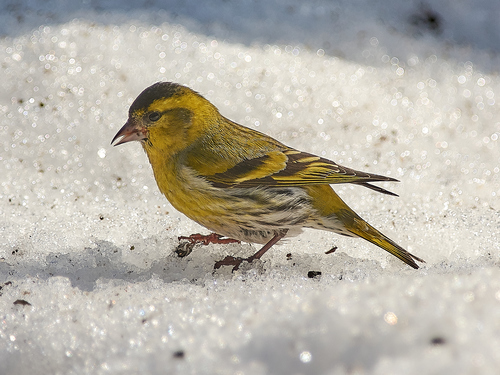 lugre
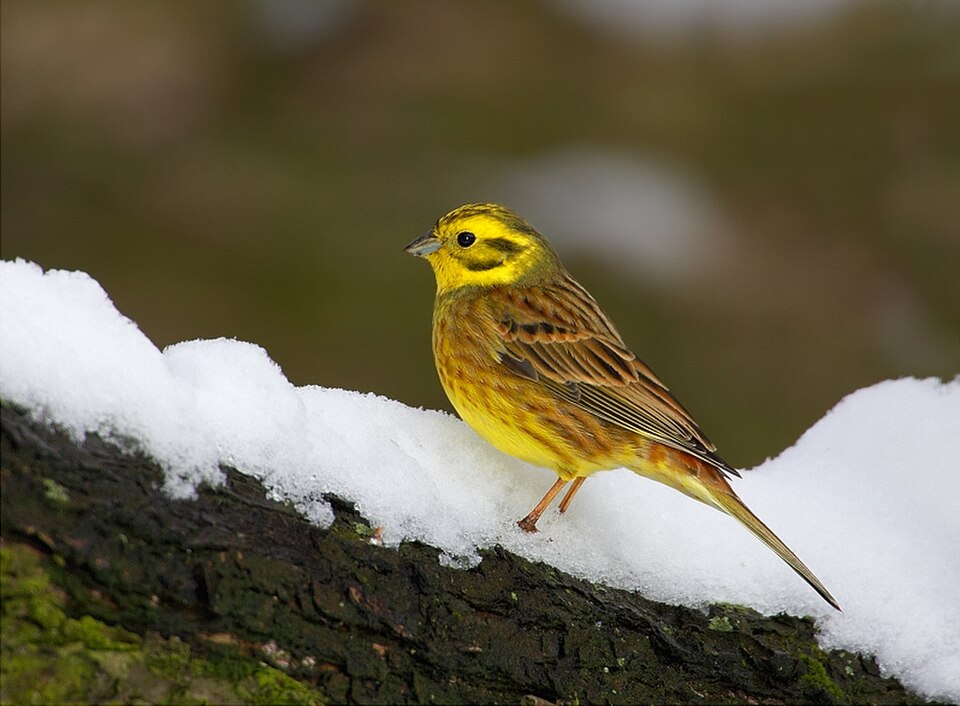 escrevedeira-amarela
Em resumo
A marca de campo mais confiável para separar o lugre do escrevedeira-amarela é a coloração geral: os lugres (especialmente os machos) apresentam plumagem amarelo-brilhante e verde com uma touca preta, enquanto as escrevedeiras-amarelas têm uma cabeça e partes inferiores predominantemente amarelas, com um dorso marrom, fortemente estriado, e um rabo ruivo. Os lugres juvenis e fêmeas são mais apagados, mas ainda retêm tons esverdeados e amarelos, nunca os tons castanhos ou ruivos da escrevedeira-amarela. Os lugres são muito menores e mais esguios, com um bico curto e fino, e apresentam uma faixa alar amarela ousada em todas as plumagens. Em voo, os lugres parecem rápidos e ágeis, enquanto as escrevedeiras-amarelas são maiores, mais robustas e têm penas externas da cauda brancas. A confusão é mais provável com fêmeas ou juvenis de lugre apagados em comparação com fêmeas ou juvenis de escrevedeira-amarela, mas a estrutura, o padrão das asas e a cor do rabo permanecem separadores confiáveis.
Dicas de identificação
- Tamanho e Forma: O lugre é muito menor e mais esguio que a escrevedeira-amarela, com um bico curto e fino; a escrevedeira-amarela é maior, mais robusta e tem um bico mais grosso e cônico. Isso é aparente mesmo à distância.
- Padrão das Asas (Todas as Idades): O lugre sempre mostra uma faixa alar amarela ousada com pontas brancas, visível em voo e em repouso. A escrevedeira-amarela não possui isso, mostrando em vez disso penas externas da cauda brancas em voo.
- Forma da Cauda: O lugre tem uma cauda curta e recortada com lados amarelos; a cauda da escrevedeira-amarela é mais longa, mais arredondada e mostra penas externas brancas quando aberta.
- Cor do Rabo: O rabo do lugre é amarelo (especialmente em machos e fêmeas), enquanto o da escrevedeira-amarela é ruivo ou castanho (adultos) ou marrom mais claro (juvenis).
- Padrão da Cabeça: O macho lugre tem uma touca e um babador pretos com um rosto amarelo; fêmeas e juvenis de lugre têm uma cabeça esverdeada sem touca. Machos de escrevedeira-amarela têm uma cabeça amarelo-brilhante, enquanto fêmeas e juvenis são mais apagados, mas sempre mostram algum amarelo no rosto e nas partes inferiores.
- Estriação do Dorso e Flancos: A escrevedeira-amarela tem um dorso e flancos marrom fortemente estriados em todas as plumagens; o lugre é mais uniforme esverdeado acima, com menos estriação, especialmente nas partes inferiores.
- Forma do Bico: O bico do lugre é curto, esbelto e ligeiramente curvado; o da escrevedeira-amarela é mais grosso e mais cônico, adequado para sementes.
- Estilo de Voo: O voo do lugre é rápido e saltitante, muitas vezes em bandos apertados; o da escrevedeira-amarela é mais lento e mais ondulante, geralmente solitário ou em pares.
- Comportamento Alimentar: Os lugres se alimentam acrobaticamente, muitas vezes pendurados de cabeça para baixo; as escrevedeiras-amarelas se alimentam principalmente no chão ou em vegetação baixa.
- Contexto de Habitat: Os lugres são aves de floresta, especialmente em coníferas; as escrevedeiras-amarelas preferem campos abertos, cercas-vivas e bordas.
- Vocalizações: O canto do lugre é uma mistura de trilos e piados; o da escrevedeira-amarela é uma frase repetitiva e rítmica ('um pouco de pão e nada de queijo').
- Armadilhas de Sexo e Idade: Fêmeas e juvenis de lugre são mais apagados, mas mantêm tons esverdeados/amarelos e a faixa alar; fêmeas e juvenis de escrevedeira-amarela são marrons e estriados, com menos amarelo, mas nunca esverdeados. O juvenil de escrevedeira-amarela nunca mostra uma faixa alar amarela ou tons esverdeados.
- Variação Sazonal: A escrevedeira-amarela é menos brilhante fora da época de reprodução, mas ainda carece da faixa alar do lugre e dos tons esverdeados. Os tons amarelo e verde do lugre estão sempre presentes, embora mais apagados em fêmeas/juvenis.
- Postura Empoleirada: Os lugres frequentemente parecem ativos e eretos, às vezes pendurados; as escrevedeiras-amarelas empoleiram-se mais horizontalmente e parecem mais robustas.
- Estrutura do Bando: Os lugres estão frequentemente em bandos mistos de tentilhões, especialmente no inverno; as escrevedeiras-amarelas são mais frequentemente vistas em pequenos grupos ou pares.
Tamanho
O lugre é significativamente menor e mais leve que a escrevedeira-amarela. Os lugres pesam cerca de 13,8 g e medem 11–12,5 cm de comprimento, com uma envergadura de 20–23 cm. As escrevedeiras-amarelas são bunting maiores, com 16–16,5 cm de comprimento e uma envergadura de 23–29,5 cm, pesando entre 20–36,5 g. No campo, os lugres parecem mais delicados e esguios, enquanto as escrevedeiras-amarelas parecem robustas e volumosas.
Plumagem
- Juvenis e Fêmeas: Os juvenis e fêmeas de lugre são verde-oliva acima com tons amarelados, especialmente no supercílio e no rabo, e têm uma ampla faixa alar amarela com pontas brancas. Suas partes inferiores são pálidas, muitas vezes com algumas estriações, mas nunca tão marcadas quanto a escrevedeira-amarela. Os juvenis de escrevedeira-amarela são muito mais apagados e menos amarelos que os adultos, com um dorso marrom estriado, rabo ruivo mais claro e menos amarelo no geral; eles carecem dos tons esverdeados do lugre e têm uma aparência marrom mais uniforme.
- Machos Adultos: Os machos de lugre são verde e amarelo brilhante com uma touca e babador pretos, rosto e peito amarelos, e um rabo amarelo. Os machos de escrevedeira-amarela têm uma cabeça amarelo-brilhante, partes inferiores amarelas, rabo castanho e dorso marrom fortemente estriado. A faixa alar amarela do lugre está sempre presente e é marcante, enquanto a escrevedeira-amarelha mostra penas externas brancas da cauda em voo e carece de uma faixa alar amarela ousada.
- Variação Sazonal: As escrevedeiras-amarelas são menos brilhantemente marcadas fora da época de reprodução, com franjas de penas escuras obscurecendo os tons amarelos. Os lugres mantêm seus tons amarelo e verde durante todo o ano, embora fêmeas e juvenis sejam sempre mais apagados que os machos.
- Marcas de Voo: Os lugres em voo mostram uma cauda curta com lados amarelos e uma faixa alar amarela ousada; as escrevedeiras-amarelas mostram penas externas brancas da cauda e uma cauda mais longa e arredondada.
Comportamento
Os lugres são alimentadores ativos e acrobáticos, muitas vezes pendurados de cabeça para baixo em galhos ou cones, e se movem rapidamente em bandos. Seu voo é rápido e saltitante, típico de tentilhões. As escrevedeiras-amarelas são mais propensas a serem vistas empoleiradas eretas em cercas, arbustos ou fios, cantando de poleiros expostos. Elas se alimentam principalmente no chão ou em vegetação baixa e têm um voo mais lento e ondulante. Os lugres são sociáveis e frequentemente vistos em bandos mistos, enquanto as escrevedeiras-amarelas são mais territoriais durante a reprodução e frequentemente vistas sozinhas ou em pares.
Habitat
Os lugres são tipicamente encontrados em florestas mistas e coníferas, especialmente onde o álamo e o abeto estão presentes, mas também podem visitar jardins no inverno. As escrevedeiras-amarelas preferem o campo aberto, terras agrícolas, cercas-vivas e bordas de florestas, raramente aventurando-se em florestas densas. Se vistas em um denso grupo de coníferas, o lugre é muito mais provável; em campos abertos ou cercas-vivas, espere pela escrevedeira-amarela.
Voz
Os lugres têm uma canção agradável e piada com uma mistura de trilos e notas agudas, frequentemente entregues em voo ou do topo das árvores. As escrevedeiras-amarelas têm uma canção distinta e repetitiva frequentemente descrita como 'um pouco de pão e nada de queijo', com uma qualidade clara e rítmica. Os chamados também diferem: o lugre emite notas finas e altas de 'tswee', enquanto os chamados da escrevedeira-amarelha são mais agudos e metálicos.