

Lucherino vs Zigolo giallo
Spinus spinus contro Emberiza citrinella
Fai un quiz con Lucherino e Zigolo giallo
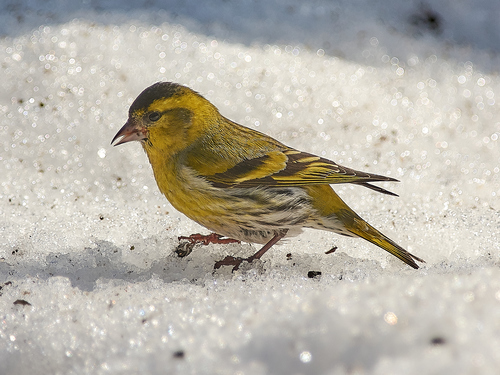 Lucherino
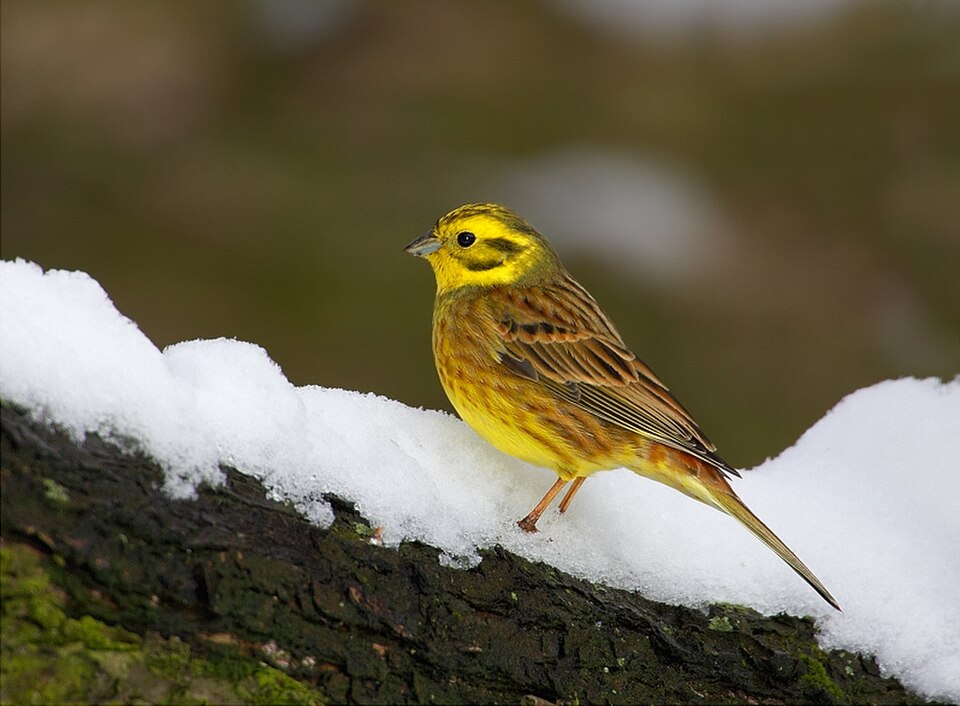 Zigolo giallo
In breve
Il segno di campo più affidabile per separare il Lucherino dallo Zigolo giallo è la colorazione generale: i lucherini (soprattutto i maschi) mostrano un piumaggio giallo brillante e verde con una calotta nera, mentre gli zigoli gialli hanno una testa e parti inferiori per lo più gialle, con un dorso marrone, fortemente striato e un sottocoda rugginoso. I lucherini giovani e femminili sono più opachi ma mantengono comunque toni verdognoli e gialli, mai i toni castano o rugginoso dello zigolo giallo. I lucherini sono molto più piccoli e snelli, con un becco corto e fine, e mostrano una barra alare gialla audace in tutti i piumaggi. In volo, i lucherini appaiono rapidi e agili, mentre gli zigoli gialli sono più grandi, più robusti e hanno piume esterne della coda bianche. La confusione è più probabile con femmine o giovani lucherini opachi rispetto a femmine o giovani zigoli gialli, ma la struttura, il modello delle ali e il colore del sottocoda rimangono separatori affidabili.
Consigli di identificazione
- Dimensione e Forma: Il Lucherino è molto più piccolo e snello dello Zigolo giallo, con un becco corto e fine; lo Zigolo giallo è più grande, più robusto e ha un becco più spesso e conico. Questo è evidente anche a distanza.
- Modello delle Ali (Tutte le Età): Il Lucherino mostra sempre una barra alare gialla audace con punte bianche, visibile in volo e a riposo. Lo Zigolo giallo non ha questo, mostrando invece piume esterne della coda bianche in volo.
- Forma della Coda: Il Lucherino ha una coda corta e incisa con lati gialli; la coda dello Zigolo giallo è più lunga, più arrotondata e mostra piume esterne bianche quando è aperta.
- Colore del Sottocoda: Il sottocoda del Lucherino è giallo (soprattutto nei maschi e nelle femmine), mentre quello dello Zigolo giallo è rugginoso o castano (adulti) o marrone più chiaro (giovani).
- Modello della Testa: Il maschio Lucherino ha una calotta nera e un collare con un volto giallo; le femmine e i giovani lucherini hanno una testa verdognola senza calotta. I maschi dello Zigolo giallo hanno una testa gialla brillante, mentre le femmine e i giovani sono più opachi ma mostrano sempre un po' di giallo sul volto e sulle parti inferiori.
- Striature sul Dorso e sui Fianchi: Lo Zigolo giallo ha un dorso e fianchi marroni fortemente striati in tutti i piumaggi; il Lucherino è più uniforme verdognolo sopra con meno striature, specialmente sulle parti inferiori.
- Forma del Becco: Il becco del Lucherino è corto, snello e leggermente ricurvo; quello dello Zigolo giallo è più spesso e più conico, adatto per i semi.
- Stile di Volo: Il volo del Lucherino è rapido e saltellante, spesso in stormi compatti; quello dello Zigolo giallo è più lento e più ondulato, di solito singolarmente o in coppie.
- Comportamento Alimentare: I lucherini si nutrono in modo acrobatico, spesso appesi a testa in giù; gli zigoli gialli si nutrono principalmente a terra o in basso nella vegetazione.
- Contesto dell'Habitat: I lucherini sono uccelli di bosco, specialmente nelle conifere; gli zigoli gialli preferiscono terreni agricoli aperti, siepi e bordi.
- Vocalizzazioni: Il canto del Lucherino è un mix di trilli e cinguettii; quello dello Zigolo giallo è una frase ripetitiva e ritmica ('un po' di pane e niente formaggio').
- Trappole per Sesso ed Età: Le femmine e i giovani lucherini sono più opachi ma mantengono toni verdognoli/gialli e la barra alare; le femmine e i giovani zigoli gialli sono marroni e striati, con meno giallo ma mai verdognoli. Il giovane Zigolo giallo non mostra mai una barra alare gialla o toni verdognoli.
- Variazione Stagionale: Lo Zigolo giallo è meno brillante al di fuori della stagione di nidificazione, ma manca comunque della barra alare del Lucherino e delle sfumature verdognole. I toni gialli e verdi del Lucherino sono sempre presenti, anche se attenuati nelle femmine/giovani.
- Postura in Perché: I lucherini spesso sembrano attivi e eretti, a volte appesi; gli zigoli gialli si posano più orizzontalmente e appaiono più robusti.
- Struttura degli Stormi: I lucherini si trovano spesso in stormi misti di fringillidi, specialmente in inverno; gli zigoli gialli sono più spesso visti in piccoli gruppi o coppie.
Taglia
Il Lucherino è significativamente più piccolo e leggero dello Zigolo giallo. I lucherini pesano circa 13,8 g e misurano 11–12,5 cm di lunghezza, con un'apertura alare di 20–23 cm. Gli zigoli gialli sono bunting più grandi, lunghi 16–16,5 cm con un'apertura alare di 23–29,5 cm, e pesano 20–36,5 g. Sul campo, i lucherini sembrano più delicati e leggeri, mentre gli zigoli gialli appaiono robusti e massicci.
Piumaggio
- Giovani e Femmine: I lucherini giovani e femminili sono di colore verde oliva sopra con toni giallastri, specialmente sul supercilio e sul sottocoda, e hanno una larga barra alare gialla con punte bianche. Le loro parti inferiori sono chiare, spesso con alcune striature ma mai così fortemente marcate come lo zigolo giallo. I giovani zigoli gialli sono molto più opachi e meno gialli degli adulti, con un dorso marrone striato, un sottocoda rugginoso più chiaro e meno giallo in generale; mancano dei toni verdognoli del lucherino e hanno un aspetto marrone più uniforme.
- Maschi Adulti: I maschi lucherini sono di un verde brillante e giallo con una calotta nera e un collare, un volto e un petto gialli, e un sottocoda giallo. I maschi zigoli gialli hanno una testa gialla brillante, parti inferiori gialle, un sottocoda castano e un dorso marrone fortemente striato. La barra alare gialla del lucherino è sempre presente e sorprendente, mentre lo zigolo giallo mostra piume esterne della coda bianche in volo e manca di una barra alare gialla audace.
- Variazione Stagionale: Gli zigoli gialli sono meno brillantemente marcati al di fuori della stagione di nidificazione, con frange di piume scure che oscurano i toni gialli. I lucherini mantengono i loro toni gialli e verdi tutto l'anno, anche se le femmine e i giovani sono sempre più opachi dei maschi.
- Segni di Volo: I lucherini in volo mostrano una coda corta con lati gialli e una barra alare gialla audace; gli zigoli gialli mostrano piume esterne della coda bianche e una coda più lunga e arrotondata.
Comportamento
I Lucherini eurasiatici sono alimentatori attivi e acrobatici, spesso appesi a testa in giù su rametti o coni, e si muovono rapidamente in stormi. Il loro volo è rapido e saltellante, tipico dei fringillidi. Gli zigoli gialli sono più propensi a essere visti posati eretti su siepi, arbusti o fili, cantando da posatoi esposti. Si nutrono principalmente a terra o in basso nella vegetazione e hanno un volo più lento e più ondulato. I lucherini sono socievoli e spesso visti in stormi misti, mentre gli zigoli gialli sono più territoriali durante la nidificazione e spesso visti singolarmente o in coppie.
Habitat
I lucherini si trovano tipicamente in boschi di conifere e misti, specialmente dove sono presenti ontano e abete, ma possono anche visitare giardini in inverno. Gli zigoli gialli preferiscono campagne aperte, terreni agricoli, siepi e bordi di bosco, raramente avventurandosi in foreste dense. Se visti in un bosco di conifere denso, il lucherino è molto più probabile; in campi aperti o siepi, aspettati lo zigolo giallo.
Voce
I lucherini hanno un canto piacevole e cinguettante con un mix di trilli e note acute, spesso eseguito in volo o dai rami degli alberi. Gli zigoli gialli hanno un canto distintivo e ripetitivo spesso descritto come 'un po' di pane e niente formaggio', con una qualità chiara e ritmica. Anche le chiamate differiscono: il lucherino emette note alte e sottili 'tswee', mentre le chiamate dello zigolo giallo sono più acute e metalliche.