

Motmot

マヒワ 対 キアオジ

Spinus spinus 対 Emberiza citrinella

マヒワとキアオジのクイズ
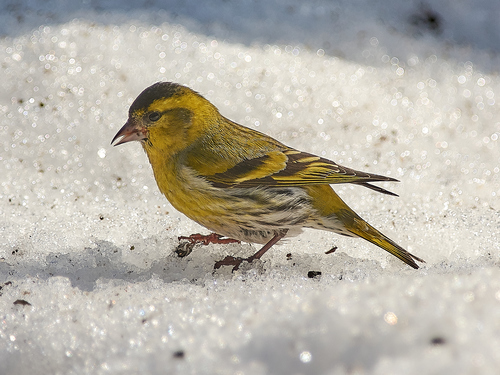
マヒワ (Spinus spinus) マヒワ
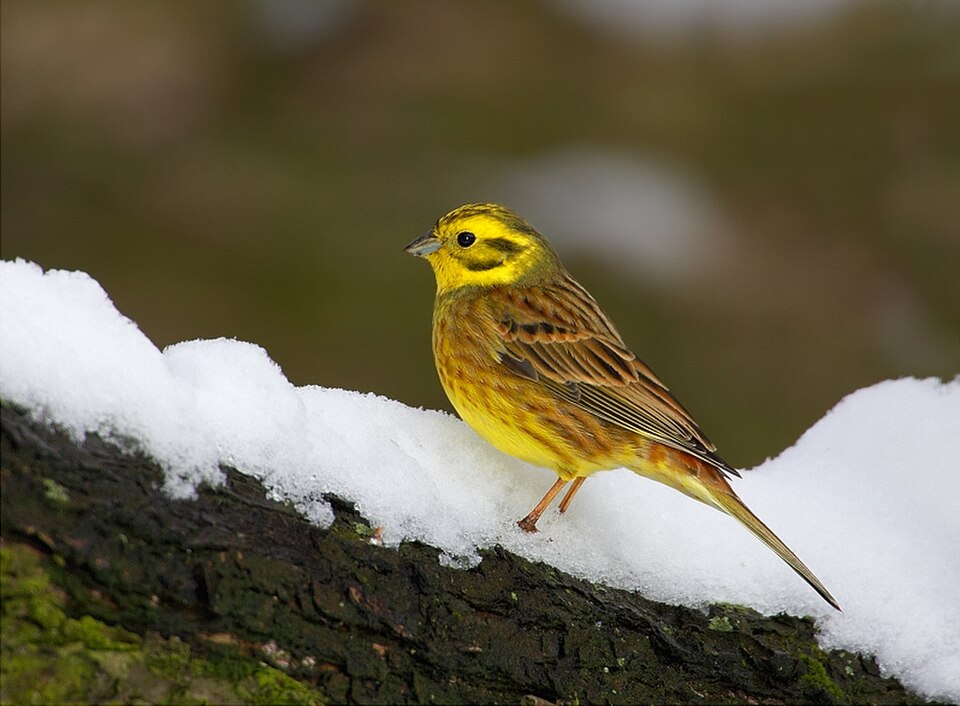
キアオジ (Emberiza citrinella) キアオジ

メディア

読み込み中…

要点

ユーラシアマヒワとキアオジを区別する最も信頼できるフィールドマークは全体の色合いです:マヒワ(特にオス)は黒い帽子を持つ明るい黄色と緑の羽毛を示し、キアオジは主に黄色の頭と腹部を持ち、茶色で重く縞模様の背中と赤褐色の尾を持っています。幼鳥と雌のマヒワはより鈍い色合いですが、緑がかった黄色のトーンを保持し、キアオジの栗色や赤褐色のトーンは持ちません。マヒワははるかに小さく、細身で、短くて細いくちばしを持ち、すべての羽毛において大胆な黄色の翼帯を示します。飛行中、マヒワは素早く敏捷に見え、キアオジはより大きく、ずんぐりしており、白い外尾羽を持っています。鈍い雌または幼鳥のマヒワと雌または幼鳥のキアオジとの混同が最も可能性が高いですが、構造、翼の模様、尾の色は信頼できる区別要因です。

識別のコツ

  1. Size and Shape: マヒワはキアオジよりもはるかに小さく、細身で、短くて細いくちばしを持っています。キアオジはより大きく、ずんぐりしており、より厚く円錐形のくちばしを持っています。これは距離があっても明らかです。
  2. Wing Pattern (All Ages): マヒワは常に白い先端を持つ大胆な黄色の翼帯を示し、飛行中および静止中に見えます。キアオジはこれを欠き、代わりに飛行中に白い外尾羽を示します。
  3. Tail Shape: マヒワは黄色い側面を持つ短い切れ込みのある尾を持ち、キアオジの尾はより長く、より丸みを帯びており、広げると白い外羽を示します。
  4. Rump Color: マヒワの尾は黄色(特にオスと雌)ですが、キアオジの尾は赤褐色または栗色(成鳥)または淡い茶色(幼鳥)です。
  5. Head Pattern: オスのマヒワは黒い帽子とビブを持ち、黄色い顔をしています。雌と幼鳥のマヒワは帽子のない緑がかった頭を持っています。キアオジのオスは明るい黄色の頭を持ち、雌と幼鳥は鈍い色合いですが、常に顔と腹部にいくらかの黄色を示します。
  6. Back and Flank Streaking: キアオジはすべての羽毛において重く縞模様の茶色の背中と側面を持っていますが、マヒワは上面がより均一な緑がかっており、特に腹部では縞模様が少ないです。
  7. Bill Shape: マヒワのくちばしは短く、細く、わずかに下向きになっています。キアオジのくちばしはより厚く、より円錐形で、種子に適しています。
  8. Flight Style: マヒワの飛行は迅速で跳ねるようで、しばしば密集した群れで見られます。キアオジの飛行はより遅く、より波状で、通常は単独またはペアで見られます。
  9. Feeding Behavior: マヒワはアクロバティックに餌を食べ、しばしば逆さまにぶら下がります。キアオジは主に地面や低い植物の中で餌を食べます。
  10. Habitat Context: マヒワは特に針葉樹の森に生息する鳥ですが、キアオジは開けた農地、ヘッジ、そして森の端を好み、密な森林にはめったに入らない。
  11. Vocalizations: マヒワの歌はトリルとツイッターの混合です。キアオジの歌は繰り返しのリズミカルなフレーズ(「少しのパンとチーズなし」)です。
  12. Sex and Age Pitfalls: 雌と幼鳥のマヒワは鈍い色合いですが、緑がかった/黄色のトーンと翼帯を保持しています。雌と幼鳥のキアオジは茶色で縞模様があり、黄色は少ないですが、決して緑がかっていません。幼鳥のキアオジは黄色の翼帯や緑がかったトーンを示しません。
  13. Seasonal Variation: キアオジは繁殖期以外では明るさが減りますが、マヒワの翼帯や緑がかった色合いは欠けています。マヒワの黄色と緑のトーンは常に存在しますが、雌や幼鳥では控えめです。
  14. Perched Posture: マヒワはしばしば活発で直立して見え、時にはぶら下がります。キアオジはより水平に止まり、ずんぐりして見えます。
  15. Flock Structure: マヒワは特に冬に混合のフィンチの群れにいることが多いですが、キアオジはより小さなグループやペアで見られることが多いです。

大きさ

ユーラシアマヒワはキアオジよりもかなり小さく、軽いです。マヒワは約13.8gで、長さは11〜12.5cm、翼幅は20〜23cmです。キアオジはより大きなホオジロで、長さは16〜16.5cm、翼幅は23〜29.5cm、重さは20〜36.5gです。フィールドでは、マヒワはより華奢で繊細に見え、キアオジは頑丈でずんぐりした印象を与えます。

羽色

行動

ユーラシアマヒワは活発でアクロバティックな餌を食べる鳥で、しばしば小枝や円錐の上で逆さまにぶら下がり、群れで急速に移動します。彼らの飛行は迅速で跳ねるようで、フィンチに典型的です。キアオジは生け垣、茂み、またはワイヤーの上に直立して止まっているのが見られることが多く、露出した止まり木から歌います。彼らは主に地面や低い植物の中で餌を食べ、より遅く、波状の飛行を持っています。マヒワは社交的で、しばしば混合の群れで見られますが、キアオジは繁殖中により領土的で、しばしば単独またはペアで見られます。

生息環境

マヒワは通常、特にハンノキやトウヒが存在する針葉樹林や混合林に生息していますが、冬には庭にも訪れることがあります。キアオジは開けた田舎、農地、生け垣、森の端を好み、密な森林にはめったに入らない。密な針葉樹の林で見られる場合、マヒワの方がはるかに可能性が高く、開けた野原や生け垣ではキアオジを期待します。

声

マヒワはトリルと高音のノートの混合を持つ心地よいツイッターの歌を持ち、しばしば飛行中または樹木の頂上から歌われます。キアオジは「少しのパンとチーズなし」と表現されることが多い独特の繰り返しの歌を持ち、明確でリズミカルな質があります。呼び声も異なり、マヒワは高く細い「ツイー」という音を出し、キアオジの呼び声はより鋭く金属的です。

より良い説明を送る

比較と同じ項目を使ってください。文章はすぐに公開されます。

The most reliable field mark to separate Eurasian Siskin from Yellowhammer is overall coloration: siskins (especially males) show bright yellow and green plumage with a black cap, while yellowhammers have a mostly yellow head and underparts, with a brown, heavily streaked back and rufous rump. Juvenile and female siskins are duller but still retain greenish and yellow tones, never the chestnut or rufous tones of yellowhammer. Siskins are much smaller and slimmer, with a short, fine bill, and show a bold yellow wing bar in all plumages. In flight, siskins appear quick and agile, while yellowhammers are larger, bulkier, and have white outer tail feathers. Confusion is most likely with dull female or juvenile siskins versus female or juvenile yellowhammers, but structure, wing pattern, and rump color remain reliable separators.

  1. Size and Shape: Siskin is much smaller and slimmer than yellowhammer, with a short, fine bill; yellowhammer is larger, bulkier, and has a thicker, conical bill. This is apparent even at a distance.
  2. Wing Pattern (All Ages): Siskin always shows a bold yellow wing bar with white tips, visible in flight and at rest. Yellowhammer lacks this, instead showing white outer tail feathers in flight.
  3. Tail Shape: Siskin has a short, notched tail with yellow sides; yellowhammer's tail is longer, more rounded, and shows white outer feathers when spread.
  4. Rump Color: Siskin's rump is yellow (especially in males and females), while yellowhammer's is rufous or chestnut (adults) or paler brown (juveniles).
  5. Head Pattern: Male siskin has a black cap and bib with a yellow face; female and juvenile siskins have a greenish head with no cap. Yellowhammer males have a bright yellow head, while females and juveniles are duller but always show some yellow on the face and underparts.
  6. Back and Flank Streaking: Yellowhammer has a heavily streaked brown back and flanks in all plumages; siskin is more uniform greenish above with less streaking, especially on the underparts.
  7. Bill Shape: Siskin's bill is short, slender, and slightly decurved; yellowhammer's is thicker and more conical, suited for seeds.
  8. Flight Style: Siskin's flight is rapid and bounding, often in tight flocks; yellowhammer's is slower and more undulating, usually singly or in pairs.
  9. Feeding Behavior: Siskins feed acrobatically, often hanging upside down; yellowhammers feed mostly on the ground or low in vegetation.
  10. Habitat Context: Siskins are woodland birds, especially in conifers; yellowhammers prefer open farmland, hedgerows, and edges.
  11. Vocalizations: Siskin's song is a mix of trills and twitters; yellowhammer's is a repetitive, rhythmic phrase ('little bit of bread and no cheese').
  12. Sex and Age Pitfalls: Female and juvenile siskins are duller but keep greenish/yellow tones and wing bar; female and juvenile yellowhammers are brown and streaky, with less yellow but never greenish. Juvenile yellowhammer never shows a yellow wing bar or greenish tones.
  13. Seasonal Variation: Yellowhammer is less bright outside breeding season, but still lacks siskin's wing bar and greenish hues. Siskin's yellow and green tones are always present, though subdued in females/juveniles.
  14. Perched Posture: Siskins often look active and upright, sometimes hanging; yellowhammers perch more horizontally and appear bulkier.
  15. Flock Structure: Siskins are often in mixed finch flocks, especially in winter; yellowhammers are more often seen in small groups or pairs.

Eurasian Siskin is significantly smaller and lighter than Yellowhammer. Siskins weigh about 13.8 g and measure 11–12.5 cm in length, with a wingspan of 20–23 cm. Yellowhammers are larger buntings, 16–16.5 cm long with a 23–29.5 cm wingspan, and weigh 20–36.5 g. In the field, siskins look daintier and more delicate, while yellowhammers appear robust and chunky.

  • Juveniles and Females: Juvenile and female siskins are olive-green above with yellowish tones, especially on the supercilium and rump, and have a broad yellow wing bar with white tips. Their underparts are pale, often with some streaking but never as heavily marked as yellowhammer. Juvenile yellowhammers are much duller and less yellow than adults, with a streaked brown back, paler rufous rump, and less yellow overall; they lack the siskin's greenish tones and have a more uniform brown appearance.
  • Adult Males: Male siskins are bright green and yellow with a black cap and bib, yellow face and breast, and a yellow rump. Male yellowhammers have a bright yellow head, yellow underparts, chestnut rump, and heavily streaked brown back. The siskin's yellow wing bar is always present and striking, while yellowhammer shows white outer tail feathers in flight and lacks a bold yellow wing bar.
  • Seasonal Variation: Yellowhammers are less brightly marked outside the breeding season, with dark feather fringes obscuring yellow tones. Siskins retain their yellow and green tones year-round, though females and juveniles are always duller than males.
  • Flight Marks: Siskins in flight show a short tail with yellow sides and a bold yellow wing bar; yellowhammers show white outer tail feathers and a longer, more rounded tail.

Eurasian Siskins are active, acrobatic feeders, often hanging upside down on twigs or cones, and move rapidly in flocks. Their flight is quick and bounding, typical of finches. Yellowhammers are more likely to be seen perched upright on hedges, bushes, or wires, singing from exposed perches. They feed mainly on the ground or low in vegetation and have a slower, more undulating flight. Siskins are sociable and often seen in mixed flocks, while yellowhammers are more territorial during breeding and often seen singly or in pairs.

Siskins are typically found in coniferous and mixed woodlands, especially where alder and spruce are present, but can also visit gardens in winter. Yellowhammers prefer open countryside, farmland, hedgerows, and woodland edges, rarely venturing into dense forest. If seen in a dense conifer stand, siskin is far more likely; in open fields or hedgerows, expect yellowhammer.

Siskins have a pleasant, twittering song with a mix of trills and high-pitched notes, often delivered in flight or from treetops. Yellowhammers have a distinctive, repetitive song often described as 'a little bit of bread and no cheese,' with a clear, rhythmic quality. Calls also differ: siskin gives high, thin 'tswee' notes, while yellowhammer's calls are sharper and more metallic.

変更を破棄しますか?

保存していない編集があります。今離れると失われます。

マヒワ · キアオジ · 苦手な鳥