

ostraceiro vs common snipe
Haematopus ostralegus versus Gallinago gallinago
Jogue um quiz com ostraceiro e common snipe
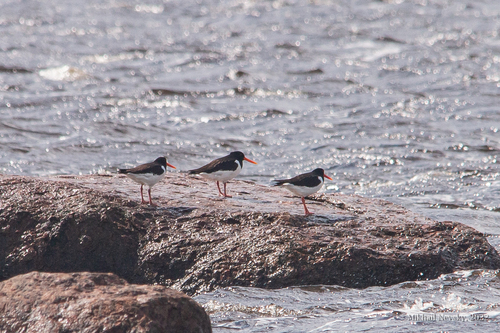 ostraceiro
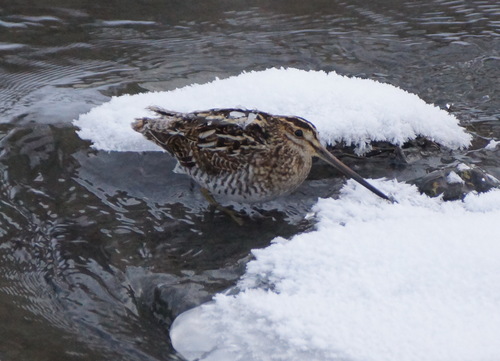 common snipe
Em resumo
A marca de campo mais confiável que separa o ostraceiro da snipe comum é o tamanho geral e a plumagem ousada e contrastante em voo: os ostraceiros são muito maiores, com asas e cauda pretas e brancas impressionantes, enquanto as snipe são pequenas, com padrões cripticamente coloridos, e apresentam asas pontudas sem manchas brancas ousadas. Os ostraceiros juvenis podem mostrar um colar branco no pescoço e um bico mais opaco, mas permanecem muito mais robustos e contrastantes do que qualquer snipe. A forma do bico também é instantaneamente diagnóstica: os ostraceiros têm um bico laranja-avermelhado, grosso, longo e reto, enquanto as snipe têm um bico esbelto, reto e escuro, quase tão longo quanto seu corpo. Em voo, os ostraceiros são óbvios e diretos, enquanto as snipe se levantam com um voo em zigue-zague e errático, sendo muito mais difíceis de ver no chão devido ao seu camuflagem. A voz e o habitat também diferem fortemente, com os ostraceiros sendo barulhentos e costeiros, e as snipe tímidas, cripticas, encontradas em terrenos pantanosos ou alagados.
Dicas de identificação
- Tamanho: O ostraceiro é muito maior e mais robusto do que a snipe—mais de quatro vezes a massa. Mesmo à distância ou em voo, a diferença de tamanho é óbvia.
- Padrão de voo e marcas das asas: O ostraceiro em voo mostra manchas brancas ousadas nas asas e na cauda, contrastando com as partes superiores pretas. A snipe tem asas pontudas sem manchas brancas; o voo é rápido e em zigue-zague, especialmente quando levantada.
- Forma e cor do bico: O bico do ostraceiro é grosso, longo e brilhante laranja-avermelhado, usado para quebrar ou abrir conchas. O bico da snipe é longo, esbelto e escuro, usado para sondar o barro. A cor do bico é diagnóstica em qualquer idade.
- Contraste da plumagem: O ostraceiro é nitidamente preto acima e branco abaixo; a snipe é marrom manchado com listras amarelas e partes inferiores pálidas, misturando-se à vegetação pantanosa.
- Cor das pernas: O ostraceiro tem pernas rosa opacas; as pernas da snipe são curtas e verde-acinzentadas.
- Padrão da cabeça: A snipe mostra uma faixa ocular escura com listras pálidas acima e abaixo; a cabeça do ostraceiro é preta simples (adultos) ou acastanhada (juvenis) sem tais listras faciais.
- Marcas juvenis/imaturas: Os jovens ostraceiros têm um colar branco no pescoço e um bico mais opaco, mas ainda mostram o grande tamanho e o padrão ousado das asas. As snipe juvenis se parecem muito com os adultos—sem branco ousado em lugar algum.
- Habitat: O ostraceiro é encontrado em habitats abertos, frequentemente costeiros; a snipe está em pântanos, brejos e prados úmidos com cobertura densa.
- Comportamento: O ostraceiro é conspícuo, frequentemente visto caminhando abertamente e vocalizando. A snipe é secreta, levanta voo apenas quando se aproxima de perto e cai rapidamente de volta na cobertura.
- Vocalizações: O ostraceiro emite chamadas altas e repetidas. A snipe é em sua maioria silenciosa, exceto por uma nota aguda de 'scape' quando levantada ou o som de 'tambores' de exibição na primavera.
- Postura empoleirada: O ostraceiro fica alto e ereto; a snipe se agacha perto do chão, muitas vezes quase invisível na vegetação.
- Tamanho do grupo: Os ostraceiros podem ser vistos em pares ou pequenos grupos, especialmente fora da temporada de reprodução. As snipe são geralmente solitárias ou em grupos soltos e dispersos, raramente à vista.
- Sexo e idade: Os sexos do ostraceiro são semelhantes, mas as fêmeas têm um bico mais longo; isso raramente é útil em campo. A snipe mostra pouco dimorfismo sexual.
- Mudanças sazonais: O ostraceiro pode mostrar um colar branco na garganta no inverno ou como juvenil; a plumagem da snipe é consistente durante todo o ano.
- Armadilhas comuns: Os juvenis de ostraceiro podem parecer mais marrons e menos contrastantes, mas seu grande tamanho, manchas brancas nas asas e bico grosso sempre os separam de qualquer snipe. A plumagem criptica da snipe e o voo em zigue-zague nunca são igualados pelo ostraceiro.
Tamanho
O ostraceiro é dramaticamente maior: a massa corporal média é de 518 g contra apenas 119,5 g para a snipe comum [wikidata]. O comprimento do ostraceiro é de 40–45 cm com uma envergadura de 80–85 cm, ofuscando o comprimento de 25–27 cm e a envergadura de 44–47 cm da snipe [wikipedia]. Mesmo à distância, o tamanho e a robustez do ostraceiro são inconfundíveis, enquanto a snipe parece pequena, compacta e delicada em comparação.
Plumagem
- Pássaros juvenis/imaturos: Os jovens ostraceiros são mais marrons acima, mostram um colar branco no pescoço e têm um bico mais opaco, mas ainda retêm o padrão ousado de asas e cauda preto e branco em voo. As snipe juvenis são semelhantes aos adultos: marrom criptico acima com listras amarelas, pálidas abaixo, e uma faixa ocular escura; sem manchas brancas ousadas nas asas ou cauda em qualquer idade.
- Plumagem de reprodução adulta: Os adultos do ostraceiro são nitidamente pretos acima e brancos abaixo, com uma ampla faixa branca nas asas e base da cauda visíveis em voo. As snipe permanecem marrons manchados com listras amareladas, partes inferiores pálidas e asas pontudas sem padrão ousado branco ou preto. A parte superior da asa da snipe é uniforme e carece de qualquer forte contraste.
- Plumagem de inverno: Os adultos do ostraceiro podem mostrar um colar branco na garganta por um curto período; os imaturos retêm isso por mais tempo. A plumagem da snipe permanece semelhante durante todo o ano, sempre criptica e estriada.
- Cor do bico: O bico do ostraceiro é sempre um forte laranja-avermelhado, enquanto o da snipe é marrom escuro a negróide.
- Cor das pernas: O ostraceiro tem pernas rosa opacas; a snipe tem pernas curtas e verde-acinzentadas.
Comportamento
Os ostraceiros são conspícuos, frequentemente vocais, e tipicamente forrageiam abertamente em praias, bancos de lama ou ilhas de cascalho, usando seus poderosos bicos para abrir moluscos ou cavar por vermes. Eles caminham com um andar determinado e raramente são tímidos. As snipe são extremamente tímidas e secretivas, dependendo da camuflagem e se agachando baixo na densa vegetação pantanosa. Quando levantadas, as snipe explodem da cobertura com um rápido voo em zigue-zague, caindo rapidamente de volta na cobertura. Os ostraceiros decolam com um voo forte e direto e são muito menos propensos a se levantar em uma distância próxima.
Habitat
O ostraceiro é encontrado principalmente em habitats costeiros abertos: praias, estuários e às vezes ilhas de cascalho no interior. Eles raramente são vistos em vegetação densa. A snipe comum, em contraste, é uma ave de pântanos, brejos, prados úmidos e tundra—sempre favorecendo terrenos macios e lamacentos com cobertura densa. Ver uma ave em um banco de lama ou cascalho favorece fortemente o ostraceiro; em uma área pantanosa, gramada ou alagada, a snipe é muito mais provável.
Voz
O ostraceiro é barulhento e vocal, com uma chamada distinta e repetida que se propaga por longas distâncias. A snipe é em sua maioria silenciosa, exceto quando levantada (dando uma nota aguda de 'scape, scape') ou durante voos de exibição, quando os machos produzem um som único de 'tambores' ou 'balido' com suas penas da cauda (não com sua voz). Ouvir uma chamada alta e estridente indica ostraceiro; uma nota aguda e repentina ao levantar voo ou o som distante de 'vazamento' na exibição aponta para a snipe.