

Motmot

ミヤコドリ 対 タシギ

Haematopus ostralegus 対 Gallinago gallinago

ミヤコドリとタシギのクイズ
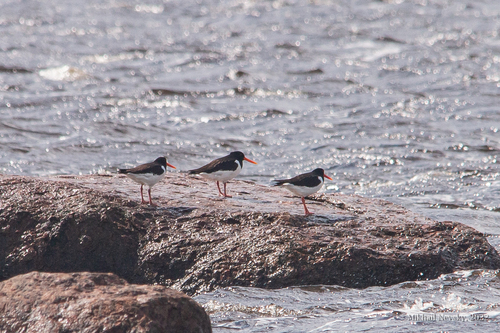
ミヤコドリ (Haematopus ostralegus) ミヤコドリ
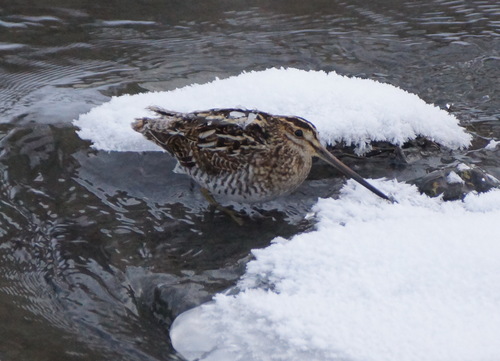
タシギ (Gallinago gallinago) タシギ

メディア

読み込み中…

要点

ユーラシアミヤコドリとタシギを区別する最も信頼できるフィールドマークは、全体のサイズと飛行中の大胆で対照的な羽毛です:ミヤコドリははるかに大きく、目を引く黒と白の翼と尾を持ち、タシギは小さく、隠れた模様があり、目立つ白い斑点のない尖った翼を示します。幼鳥のミヤコドリは白い首の襟と鈍いくちばしを示すことがありますが、タシギよりもはるかにずっしりとしており、対照的です。くちばしの形もすぐに診断できます:ミヤコドリは太く、長く、まっすぐなオレンジ赤のくちばしを持ち、タシギは細く、まっすぐで、体とほぼ同じ長さの暗いくちばしを持っています。飛行中、ミヤコドリは明らかで直接的ですが、タシギはジグザグで不規則な飛行で逃げ、カモフラージュのために地面で見るのがはるかに難しいです。声と生息地も大きく異なり、ミヤコドリは大きな声で海岸に生息し、タシギは内気で隠れた存在で、湿地や泥炭地に見られます。

識別のコツ

  1. Size: ミヤコドリはタシギよりもはるかに大きく、ずっしりとしています—質量は4倍以上です。遠くからでも、飛行中でも、サイズの違いは明らかです。
  2. Flight pattern and wing markings: 飛行中のミヤコドリは、翼と尾に大胆な白い斑点を示し、黒い上面と対照的です。タシギは白い斑点のない尖った翼を持ち、特に逃げるときは急速でジグザグの飛行をします。
  3. Bill shape and color: ミヤコドリのくちばしは太く、長く、明るいオレンジ赤で、貝を砕いたり開けたりするために使われます。タシギのくちばしは長く、細く、暗く、泥を探るために使われます。くちばしの色は年齢に関係なく診断できます。
  4. Plumage contrast: ミヤコドリは上面が鋭く黒く、下面が白いです;タシギはストロー黄色の縞模様があるまだらな茶色で、下面は淡い色で、湿地の植生に溶け込んでいます。
  5. Leg color: ミヤコドリは鈍いピンクの脚を持ち、タシギの脚は短く緑がかった灰色です。
  6. Head pattern: タシギは上と下に淡い縞模様のある暗い目のストライプを示します;ミヤコドリの頭は平坦な黒(成鳥)または茶色(幼鳥)で、顔にそのようなストライプはありません。
  7. Juvenile/immature marks: 幼いミヤコドリは白い首の襟と鈍いくちばしを持っていますが、依然として大きなサイズと大胆な翼の模様を示します。幼鳥のタシギは成鳥に非常に似ており—どこにも大胆な白はありません。
  8. Habitat: ミヤコドリは開けた、しばしば海岸の生息地に見られます;タシギは湿地、泥炭地、密なカバーのある湿った草地にいます。
  9. Behavior: ミヤコドリは目立ち、しばしばオープンに歩き、声を出しているのが見られます。タシギは内気で、近づかれると逃げ、すぐにカバーに戻ります。
  10. Vocalizations: ミヤコドリは大きく、繰り返しのピーピー音を出します。タシギはほとんど静かで、逃げるときに鋭い「スケープ」音を出すか、春にディスプレイの「ドラム」音を出します。
  11. Perched posture: ミヤコドリは高く立ち、直立しています;タシギは地面に低くかがみ、しばしば植生の中でほとんど見えません。
  12. Group size: ミヤコドリはペアまたは小さな群れで見られることがありますが、繁殖シーズンの外では特にそうです。タシギは通常孤独で、緩やかに散らばった群れで、オープンにはめったに見られません。
  13. Sex and age: ミヤコドリの性別は似ていますが、雌はくちばしが長いです;これはフィールドではあまり役に立ちません。タシギは性的二形性がほとんどありません。
  14. Seasonal changes: ミヤコドリは冬または幼鳥の時に白い喉の襟を示すことがあります;タシギの羽毛は年間を通じて一貫しています。
  15. Common pitfalls: 幼いミヤコドリはより茶色く、対照が少ないように見えることがありますが、その大きなサイズ、白い翼の斑点、太いくちばしは常にタシギから彼らを区別します。タシギの隠れた羽毛とジグザグの飛行は、ミヤコドリには決して匹敵しません。

大きさ

ユーラシアミヤコドリは劇的に大きいです:体重は平均518gで、タシギはわずか119.5gです [wikidata]。ミヤコドリの長さは40〜45cmで、翼幅は80〜85cmで、タシギの25〜27cmの長さと44〜47cmの翼幅を圧倒しています [wikipedia]。遠くからでも、ミヤコドリのサイズと体重は明らかで、タシギは比較すると小さく、コンパクトで、繊細に見えます。

羽色

行動

ミヤコドリは目立ち、しばしば声を出し、通常はビーチ、干潟、または砂利の島でオープンに採餌し、強力なくちばしを使って貝を開けたり、虫を掘ったりします。彼らは目的を持った歩き方をし、めったに内気ではありません。タシギは非常に内気で秘密主義で、カモフラージュに依存し、密な湿地の植生の中で低くかがみます。逃げるとき、タシギは急速なジグザグの飛行でカバーから爆発し、すぐにカバーに戻ります。ミヤコドリは強く、直接的な飛行で離陸し、近距離で逃げる可能性ははるかに低いです。

生息環境

ユーラシアミヤコドリは主に開けた海岸の生息地に見られます:ビーチ、河口、時には内陸の砂利の島です。彼らは密な植生の中ではめったに見られません。対照的に、タシギは湿地、泥炭地、湿った草地、ツンドラの鳥で、常に密なカバーのある柔らかい泥の地面を好みます。オープンな干潟や砂利の中で鳥を見ることはミヤコドリを強く支持します;湿った草地や泥炭地では、タシギの方がはるかに可能性が高いです。

声

ミヤコドリは大きく、声が大きく、長距離にわたって響く独特の繰り返しのピーピー音を出します。タシギはほとんど静かで、逃げるとき(鋭い「スケープ、スケープ」音を出す)やディスプレイの飛行中に、オスが尾羽で独特の「ドラム」または「ブリーティング」音を出すときにのみ音を出します(声ではありません)。大きなピーピー音を聞くとミヤコドリを示し、逃げるときの突然の鋭い音やディスプレイ中の「ウィノウィング」の遠くの音はタシギを示します。

より良い説明を送る

比較と同じ項目を使ってください。文章はすぐに公開されます。

The most reliable field mark separating Eurasian Oystercatcher from Common Snipe is overall size and bold, contrasting plumage in flight: oystercatchers are much larger, with striking black-and-white wings and tail, while snipes are small, cryptically patterned, and show pointed wings with no bold white patches. Juvenile oystercatchers can show a white neck collar and duller bill, but remain much bulkier and more contrasting than any snipe. Bill shape is also instantly diagnostic: oystercatchers have a thick, long, straight orange-red bill, while snipes have a slender, straight, dark bill nearly as long as their body. In flight, oystercatchers are obvious and direct, while snipes flush with a zigzag, erratic flight and are much harder to see on the ground due to their camouflage. Voice and habitat also differ strongly, with oystercatchers being loud and coastal, and snipes shy, cryptic, and found in marshy or boggy ground.

  1. Size: Oystercatcher is much larger and bulkier than snipe—over four times the mass. Even at a distance or in flight, the size difference is obvious.
  2. Flight pattern and wing markings: Oystercatcher in flight shows bold white patches on the wings and tail, contrasting with black upperparts. Snipe has pointed wings with no white patches; flight is rapid and zigzagging, especially when flushed.
  3. Bill shape and color: Oystercatcher's bill is thick, long, and bright orange-red, used for smashing or prising open shells. Snipe's bill is long, slender, and dark, used for probing mud. Bill color is diagnostic at any age.
  4. Plumage contrast: Oystercatcher is sharply black above and white below; snipe is mottled brown with straw-yellow stripes and pale underparts, blending into marsh vegetation.
  5. Leg color: Oystercatcher has dull pink legs; snipe's legs are short and greenish-grey.
  6. Head pattern: Snipe shows a dark eye-stripe with pale stripes above and below; oystercatcher's head is plain black (adults) or brownish (juveniles) with no such facial stripes.
  7. Juvenile/immature marks: Young oystercatchers have a white neck collar and duller bill, but still show the large size and bold wing pattern. Juvenile snipes look much like adults—no bold white anywhere.
  8. Habitat: Oystercatcher is found in open, often coastal habitats; snipe is in marshes, bogs, and wet meadows with dense cover.
  9. Behavior: Oystercatcher is conspicuous, often seen walking openly and vocalizing. Snipe is secretive, flushes only when approached closely, and drops quickly back into cover.
  10. Vocalizations: Oystercatcher gives loud, repeated piping calls. Snipe is mostly silent except for a sharp 'scape' note when flushed or the display 'drumming' sound in spring.
  11. Perched posture: Oystercatcher stands tall and upright; snipe crouches low to the ground, often nearly invisible in vegetation.
  12. Group size: Oystercatchers may be seen in pairs or small groups, especially outside the breeding season. Snipes are usually solitary or in loose, scattered groups, rarely in the open.
  13. Sex and age: Oystercatcher sexes are similar, but females have a longer bill; this is rarely useful in the field. Snipe shows little sexual dimorphism.
  14. Seasonal changes: Oystercatcher may show a white throat collar in winter or as a juvenile; snipe's plumage is consistent year-round.
  15. Common pitfalls: Juvenile oystercatchers may appear browner and less contrasting, but their large size, white wing patches, and thick bill always separate them from any snipe. Snipe's cryptic plumage and zigzag flight are never matched by oystercatcher.

Eurasian Oystercatcher is dramatically larger: body mass averages 518 g versus just 119.5 g for Common Snipe [wikidata]. Oystercatcher length is 40–45 cm with an 80–85 cm wingspan, dwarfing the snipe's 25–27 cm length and 44–47 cm wingspan [wikipedia]. Even at a distance, oystercatcher's size and bulk are unmistakable, while snipe appears small, compact, and delicate by comparison.

  • Juvenile/immature birds: Young oystercatchers are browner above, show a white neck collar, and have a duller bill, but still retain the bold black-and-white wing and tail pattern in flight. Juvenile snipes are similar to adults: cryptic brown above with straw-yellow stripes, pale below, and a dark eye-stripe; no bold white patches on wings or tail at any age.
  • Adult breeding plumage: Oystercatcher adults are sharply black above and white below, with a broad white wing bar and white tail base visible in flight. Snipes remain mottled brown with yellowish stripes, pale underparts, and pointed wings with no bold white or black patterning. Snipe's upperwing is uniform and lacks any strong contrast.
  • Winter plumage: Oystercatcher adults may show a white throat collar for a short period; immatures retain this longer. Snipe's plumage remains similar year-round, always cryptic and streaked.
  • Bill color: Oystercatcher's bill is always strong orange-red, while snipe's is dark brown to blackish.
  • Leg color: Oystercatcher has dull pink legs; snipe has short greenish-grey legs.

Oystercatchers are conspicuous, often vocal, and typically forage openly on beaches, mudflats, or gravelly islands, using their powerful bills to pry open molluscs or dig for worms. They walk with a purposeful gait and are rarely shy. Snipes are extremely shy and secretive, relying on camouflage and crouching low in dense marsh vegetation. When flushed, snipe explode from cover with a rapid, zigzag flight, quickly dropping back into cover. Oystercatchers take off with strong, direct flight and are much less likely to flush at close range.

Eurasian Oystercatcher is mainly found in open coastal habitats: beaches, estuaries, and sometimes inland gravel islands. They are rarely seen in dense vegetation. Common Snipe, by contrast, is a bird of marshes, bogs, wet meadows, and tundra—always favoring soft, muddy ground with dense cover. Seeing a bird in open mudflat or shingle strongly favors oystercatcher; in a marshy, grassy, or boggy area, snipe is far more likely.

Oystercatcher is loud and vocal, with a distinctive, repeated piping call that carries over long distances. Snipe is mostly silent except when flushed (giving a sharp 'scape, scape' note) or during display flights, when males produce a unique 'drumming' or 'bleating' sound with their tail feathers (not their voice). Hearing a loud, piping call indicates oystercatcher; a sudden, sharp note on flushing or the distant sound of 'winnowing' in display points to snipe.

変更を破棄しますか?

保存していない編集があります。今離れると失われます。

ミヤコドリ · タシギ · 苦手な鳥