

Beccaccia di mare vs Beccaccino
Haematopus ostralegus contro Gallinago gallinago
Fai un quiz con Beccaccia di mare e Beccaccino
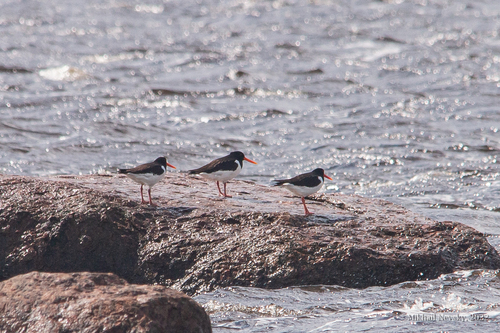 Beccaccia di mare
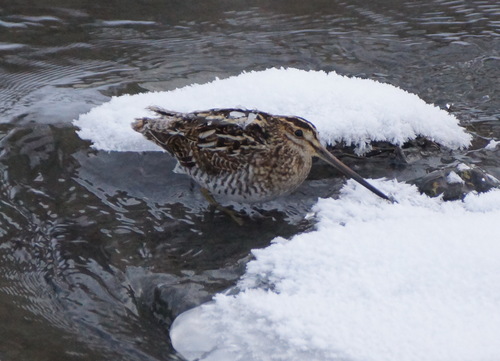 Beccaccino
In breve
Il segno distintivo più affidabile che separa la Beccaccia di mare dal Beccaccino è la dimensione complessiva e il piumaggio audace e contrastante in volo: le beccacce di mare sono molto più grandi, con ali e coda nere e bianche sorprendenti, mentre i beccaccini sono piccoli, con un piumaggio criptico e mostrano ali appuntite senza macchie bianche audaci. Le beccacce di mare juvenile possono mostrare un collare bianco al collo e un becco più opaco, ma rimangono molto più robuste e contrastanti rispetto a qualsiasi beccaccino. La forma del becco è anche istantaneamente diagnostica: le beccacce di mare hanno un becco spesso, lungo e dritto di colore arancio-rossastro, mentre i beccaccini hanno un becco sottile, dritto e scuro, quasi lungo quanto il loro corpo. In volo, le beccacce di mare sono ovvie e dirette, mentre i beccaccini si alzano con un volo a zigzag erratico e sono molto più difficili da vedere a terra a causa del loro camuffamento. La voce e l'habitat differiscono anche fortemente, con le beccacce di mare che sono rumorose e costiere, e i beccaccini timidi, criptici e trovati in terreni paludosi o torbosi.
Consigli di identificazione
- Dimensione: La Beccaccia di mare è molto più grande e robusta del beccaccino—oltre quattro volte la massa. Anche a distanza o in volo, la differenza di dimensione è ovvia.
- Schema di volo e marcature delle ali: La Beccaccia di mare in volo mostra macchie bianche audaci sulle ali e sulla coda, in contrasto con le parti superiori nere. Il beccaccino ha ali appuntite senza macchie bianche; il volo è rapido e a zigzag, specialmente quando viene disturbato.
- Forma e colore del becco: Il becco della Beccaccia di mare è spesso, lungo e di un brillante colore arancio-rossastro, usato per rompere o aprire conchiglie. Il becco del beccaccino è lungo, sottile e scuro, usato per sondare il fango. Il colore del becco è diagnostico a qualsiasi età.
- Contrasto del piumaggio: La Beccaccia di mare è nettamente nera sopra e bianca sotto; il beccaccino è maculato di marrone con strisce giallo paglierino e parti inferiori chiare, fondendosi nella vegetazione paludosa.
- Colore delle zampe: La Beccaccia di mare ha zampe rosa opache; le zampe del beccaccino sono corte e grigio-verdi.
- Schema della testa: Il beccaccino mostra una striscia oculare scura con strisce chiare sopra e sotto; la testa della beccaccia di mare è semplicemente nera (adulti) o marrone (juvenili) senza tali strisce facciali.
- Segni juvenile/immaturi: I giovani beccacce di mare hanno un collare bianco al collo e un becco più opaco, ma mostrano ancora la grande dimensione e il modello audace delle ali. I beccaccini juvenile assomigliano molto agli adulti—nessuna bianca audace ovunque.
- Habitat: La Beccaccia di mare si trova in habitat aperti, spesso costieri; il beccaccino è in paludi, torbiere e prati umidi con copertura densa.
- Comportamento: La Beccaccia di mare è evidente, spesso vista camminare apertamente e vocalizzare. Il beccaccino è segreto, si alza solo quando si avvicina da vicino e torna rapidamente a coprirsi.
- Vocalizzazioni: La Beccaccia di mare emette richiami forti e ripetuti. Il beccaccino è per lo più silenzioso tranne che per una nota acuta 'scape' quando viene disturbato o il suono 'battente' di esibizione in primavera.
- Postura in pericolo: La Beccaccia di mare sta in piedi alta e dritta; il beccaccino si accovaccia basso a terra, spesso quasi invisibile nella vegetazione.
- Dimensione del gruppo: Le beccacce di mare possono essere viste in coppie o piccoli gruppi, specialmente al di fuori della stagione riproduttiva. I beccaccini sono solitamente solitari o in gruppi sciolti e sparsi, raramente in aperto.
- Sesso e età: I sessi della Beccaccia di mare sono simili, ma le femmine hanno un becco più lungo; questo è raramente utile sul campo. Il beccaccino mostra poco dimorfismo sessuale.
- Cambiamenti stagionali: La Beccaccia di mare può mostrare un collare bianco alla gola in inverno o come juvenile; il piumaggio del beccaccino è consistente tutto l'anno.
- Trappole comuni: Le beccacce di mare juvenile possono apparire più marroni e meno contrastanti, ma la loro grande dimensione, le macchie bianche sulle ali e il becco spesso le separano sempre da qualsiasi beccaccino. Il piumaggio criptico del beccaccino e il volo a zigzag non sono mai eguagliati dalla beccaccia di mare.
Taglia
La Beccaccia di mare è drammaticamente più grande: la massa corporea media è di 518 g contro solo 119,5 g per il Beccaccino [wikidata]. La lunghezza della Beccaccia di mare è di 40–45 cm con un'apertura alare di 80–85 cm, che fa sembrare piccola la lunghezza di 25–27 cm e l'apertura alare di 44–47 cm del beccaccino [wikipedia]. Anche a distanza, la dimensione e la robustezza della beccaccia di mare sono inconfondibili, mentre il beccaccino appare piccolo, compatto e delicato in confronto.
Piumaggio
- Uccelli juvenile/immaturi: I giovani beccacce di mare sono più marroni sopra, mostrano un collare bianco al collo e hanno un becco più opaco, ma mantengono ancora il modello audace delle ali e della coda in volo. I beccaccini juvenile sono simili agli adulti: marrone criptico sopra con strisce giallo paglierino, chiaro sotto e una striscia oculare scura; nessuna macchia bianca audace sulle ali o sulla coda a qualsiasi età.
- Piumaggio adulto da riproduzione: Gli adulti della Beccaccia di mare sono nettamente neri sopra e bianchi sotto, con una larga barra bianca sulle ali e una base bianca della coda visibile in volo. I beccaccini rimangono maculati di marrone con strisce giallastre, parti inferiori chiare e ali appuntite senza un modello audace bianco o nero. L'ala superiore del beccaccino è uniforme e priva di qualsiasi forte contrasto.
- Piumaggio invernale: Gli adulti della Beccaccia di mare possono mostrare un collare bianco alla gola per un breve periodo; gli immaturi lo mantengono più a lungo. Il piumaggio del beccaccino rimane simile tutto l'anno, sempre criptico e striato.
- Colore del becco: Il becco della Beccaccia di mare è sempre di un forte colore arancio-rossastro, mentre quello del beccaccino è marrone scuro fino a nero.
- Colore delle zampe: La Beccaccia di mare ha zampe rosa opache; il beccaccino ha zampe corte grigio-verdi.
Comportamento
Le beccacce di mare sono evidenti, spesso vocali e tipicamente cercano cibo apertamente su spiagge, fanghi o isole ghiaiose, usando i loro potenti becchi per aprire molluschi o scavare vermi. Camminano con un passo deciso e raramente sono timide. I beccaccini sono estremamente timidi e segreti, facendo affidamento sul camuffamento e accovacciandosi in basso nella densa vegetazione paludosa. Quando vengono disturbati, i beccaccini esplodono dalla copertura con un volo rapido e a zigzag, tornando rapidamente a coprirsi. Le beccacce di mare decollano con un volo forte e diretto e sono molto meno propense a volare via a distanza ravvicinata.
Habitat
La Beccaccia di mare si trova principalmente in habitat costieri aperti: spiagge, estuari e talvolta isole ghiaiose interne. Sono raramente viste in vegetazione densa. Il Beccaccino, al contrario, è un uccello di paludi, torbiere, prati umidi e tundra—favorendo sempre terreni morbidi e fangosi con copertura densa. Vedere un uccello in un fangoso o in una spiaggia aperta favorisce fortemente la beccaccia di mare; in un'area paludosa, erbosa o torbosa, il beccaccino è molto più probabile.
Voce
La Beccaccia di mare è rumorosa e vocale, con un richiamo distintivo e ripetuto che si sente a lunghe distanze. Il beccaccino è per lo più silenzioso tranne quando viene disturbato (emettendo una nota acuta 'scape, scape') o durante i voli di esibizione, quando i maschi producono un suono unico 'battente' o 'belante' con le loro penne della coda (non con la loro voce). Sentire un richiamo forte e ripetuto indica la beccaccia di mare; una nota improvvisa e acuta quando viene disturbato o il suono distante di 'vorticoso' in esibizione indica il beccaccino.