

peito-carmim vs trumpeter finch
Carpodacus erythrinus versus Bucanetes githagineus
Jogue um quiz com peito-carmim e trumpeter finch
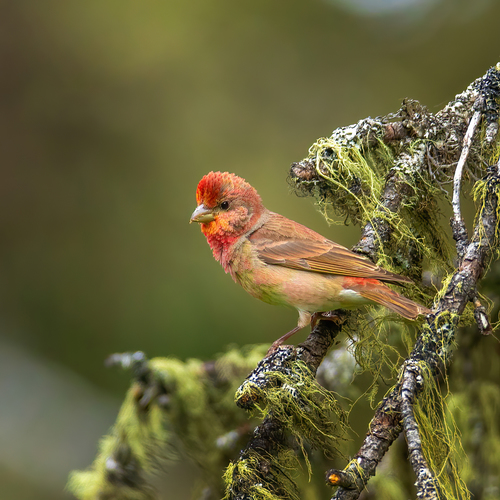 peito-carmim
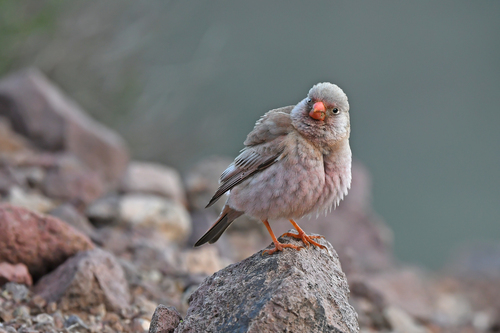 trumpeter finch
Em resumo
A marca de campo mais confiável entre peito-carmim e trumpeter finch é a coloração geral e a cor do bico em machos adultos: machos de peito-carmim apresentam um vívido vermelho-rosado na cabeça, peito e rabo com um bico escuro, cônico e pesado, enquanto machos de trumpeter finch têm um rabo e peito rosados, mas um bico vermelho distinto e um corpo superior mais claro, marrom-areado. Fêmeas e imaturos de ambas as espécies são muito mais apagados, mas trumpeter finch sempre parece mais pálido e desbotado, com um bico curto, grosso e claro e uma forma mais compacta e de asas longas. Em voo ou em repouso, procure as duas barras alares indistintas do peito-carmim (geralmente sutis) em contraste com as asas simples do trumpeter e a base da cauda rosa com ponta escura. O habitat também é uma pista forte: trumpeter finch é um pássaro de países abertos e áridos, enquanto peito-carmim prefere matagais e bordas de florestas.
Dicas de identificação
- Cor e forma do bico: Trumpeter finch sempre apresenta um bico grosso, curto, claro ou avermelhado (vermelho em machos adultos), enquanto peito-carmim tem um bico escuro, cônico e pesado. Isso é frequentemente visível mesmo à distância.
- Plumagem masculina (reprodução): O macho adulto de peito-carmim é vermelho-rosado na cabeça, peito e rabo, com asas marrons e barras alares fracas. O macho de trumpeter finch tem um bico vermelho, cabeça e pescoço acinzentados, partes superiores marrons claras e peito/rabo rosados, mas nunca o vermelho profundo do peito-carmim. O rosa é menos extenso e menos saturado.
- Plumagem de fêmeas/imaturos: Fêmeas e imaturos de trumpeter finch são muito mais pálidos e arenosos, com uma aparência uniforme e desbotada e um bico grosso e claro. Fêmeas/imaturos de peito-carmim são marrons por cima, amarelo-claras por baixo, e podem mostrar um rabo ligeiramente mais brilhante, mas nunca são tão pálidos ou arenosos quanto trumpeter finch.
- Padrão das asas: Peito-carmim pode mostrar duas barras alares fracas (todas as idades), enquanto as asas de trumpeter finch são simples. Isso é sutil, mas vale a pena verificar de perto ou em fotos.
- Padrão da cauda: Trumpeter finch tem uma cauda rosa com uma faixa terminal escura, especialmente visível em machos adultos; peito-carmim não possui essa característica.
- Coloração geral: Trumpeter finch é sempre mais pálido, arenoso e desbotado, enquanto peito-carmim é mais rico em marrom ou vermelho (machos) ou amarelo-clarinho (fêmeas/imaturos).
- Estrutura: Trumpeter finch é mais compacto, com uma cabeça grande, cauda curta e bico grosso. Peito-carmim tem uma forma mais típica de tentilhão, com uma cauda mais longa e proporções menos 'fofas'.
- Habitat: Trumpeter finch é quase sempre em solo aberto, seco, pedregoso ou arenoso, raramente perto de árvores. Peito-carmim é em habitats arbustivos, florestais ou ribeirinhos.
- Comportamento: Trumpeter finch frequentemente se alimenta no chão em bandos, às vezes longe de abrigo; peito-carmim é mais frequentemente visto sozinho ou em pares, se alimentando em arbustos ou árvores.
- Vocalizações: A canção de trumpeter finch é um trinado nasal, zumbidor, muito diferente da doce e trinado canção do peito-carmim. Os chamados também são mais agudos e metálicos em trumpeter finch.
- Estilo de voo: Trumpeter finch parece compacto e ágil em voo, frequentemente baixo sobre o solo; peito-carmim tem um voo mais típico de tentilhão, ondulante.
- Mudanças sazonais: Após a muda, o vermelho do macho peito-carmim é atenuado e se torna mais brilhante com o desgaste das penas; machos de trumpeter finch tornam-se mais apagados e mais semelhantes às fêmeas na plumagem não reprodutiva, mas o bico permanece vermelho.
- Formas de cor raras: Ocasionalmente, o macho peito-carmim pode aparecer amarelado em vez de vermelho devido à dieta/parasitas, mas a estrutura geral e o habitat ainda os separam.
- Armadilhas: Em luz fraca, ambas as espécies podem parecer apagadas e marrons; concentre-se na forma/cor do bico, habitat e palidez geral para identificar trumpeter finch.
- Contexto geográfico: Trumpeter finch é raro fora do sul árido da Europa, Norte da África e Ásia; peito-carmim é amplamente distribuído na Europa e Ásia, especialmente perto de água ou florestas.
Tamanho
Peito-carmim é ligeiramente maior, medindo 13–15 cm de comprimento, com um corpo e bico mais robustos e pesados. Trumpeter finch é menor e mais compacto, com uma cabeça proporcionalmente maior, cauda mais curta e um bico notavelmente mais grosso e curto. No campo, trumpeter finch pode parecer mais 'fofo' ou atarracado, enquanto peito-carmim se parece mais com um tentilhão típico em estrutura.
Plumagem
- Imaturos e Fêmeas: Ambas as espécies são apagadas, mas trumpeter finch é mais pálido no geral, com tons arenosos ou amarelos e uma aparência desbotada. Seu bico é sempre grosso e claro, às vezes com um tom avermelhado em machos. Fêmeas e imaturos de peito-carmim são marrons por cima com partes inferiores amarelo-claras ou buff, e podem mostrar um rabo ligeiramente mais brilhante, mas nunca a uniformidade arenosa de trumpeter finch. As barras alares do peito-carmim (embora fracas) podem ser visíveis de perto; as asas de trumpeter finch são simples.
- Machos Adultos (Reprodução): Machos de peito-carmim são strikingly rosados na cabeça, peito e rabo, com asas marrons escuras e duas barras alares fracas, e um bico pesado e escuro. Machos de trumpeter finch têm um bico vermelho, cabeça e pescoço cinzentos, partes superiores marrons claras e peito e rabo rosados, mas o rosa é menos extenso e menos saturado do que o vermelho do peito-carmim. A cauda de trumpeter finch é rosa com uma faixa terminal escura, uma característica não mostrada pelo peito-carmim.
- Machos Não-reprodutores/Primeiro Inverno: Ambas as espécies tornam-se mais apagadas, mas machos de peito-carmim retêm algum vermelho, especialmente no rabo e no rosto, enquanto machos de trumpeter finch tornam-se mais semelhantes às fêmeas: arenosos, desbotados, mas com um bico vermelho.
Comportamento
Trumpeter finch frequentemente forma pequenos bandos, especialmente fora da temporada de reprodução, e é mais provável ser visto se alimentando no chão em áreas abertas e áridas. Pode voar longas distâncias até a água, às vezes à noite. Peito-carmim é mais solitário ou em pares durante a reprodução, forrageando em arbustos ou árvores baixas, e é menos provável ser visto em solo aberto e árido. Em voo, trumpeter finch parece compacto e ágil, enquanto peito-carmim tem um voo mais típico de tentilhão.
Habitat
O habitat é um forte separador: trumpeter finch é quase sempre encontrado em áreas secas, abertas, semelhantes a desertos, planícies rochosas ou estepes semiáridas, frequentemente longe de árvores. Peito-carmim prefere matagais, bordas de florestas, arbustos ribeirinhos e às vezes jardins ou pomares, geralmente com pelo menos alguma cobertura de árvores ou arbustos. Se você vê um tentilhão em um denso matagal ribeirinho, é improvável que seja um trumpeter finch.
Voz
Trumpeter finch tem um trinado nasal e zumbidor distinto, frequentemente descrito como metálico ou semelhante a um trompete. A canção do peito-carmim é uma doce série de notas trinado, muito diferente da qualidade nasal do trumpeter. Os chamados também são diferentes: trumpeter finch emite um 'dzrrt' agudo e metálico, enquanto os chamados do peito-carmim são mais suaves e menos metálicos.