

Ciuffolotto scarlatto vs Trombettiere
Carpodacus erythrinus contro Bucanetes githagineus
Fai un quiz con Ciuffolotto scarlatto e Trombettiere
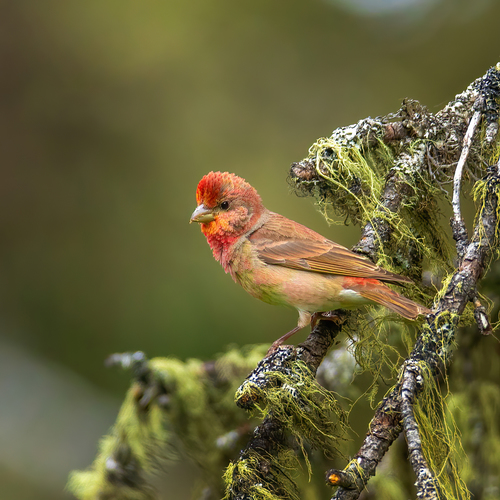 Ciuffolotto scarlatto
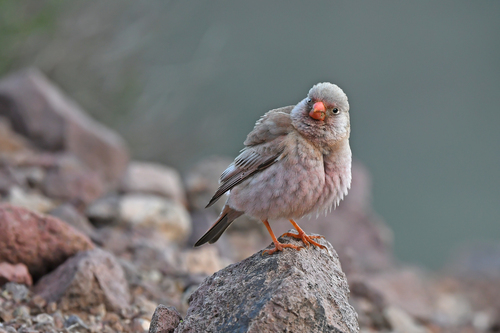 Trombettiere
In breve
Il segno distintivo più affidabile tra Ciuffolotto scarlatto e Trombettiere è la colorazione generale e il colore del becco nei maschi adulti: i maschi di Ciuffolotto scarlatto mostrano un vivace rosso-rosato sulla testa, sul petto e sul dorso con un becco scuro, conico e pesante, mentre i maschi di Trombettiere hanno un dorso e un petto rosati, ma un becco rosso distintivo e un corpo superiore più chiaro e sabbioso. Le femmine e gli immaturi di entrambe le specie sono molto più opachi, ma il Trombettiere appare sempre più chiaro e sbiadito, con un becco corto, spesso e chiaro e una forma più compatta e con ali lunghe. In volo o a riposo, cerca le due barre alari indistinte del ciuffolotto (spesso sottili) rispetto alle ali semplici del trombettiere e alla base della coda rosa con punta scura. L'habitat è anche un forte indizio: il Trombettiere è un uccello di paesaggi aperti e aridi, mentre il Ciuffolotto scarlatto preferisce i cespugli e i margini dei boschi.
Consigli di identificazione
- Colore e forma del becco: Il Trombettiere mostra sempre un becco spesso, corto, chiaro o rossastro (rosso nei maschi adulti), mentre il Ciuffolotto scarlatto ha un becco pesante, conico e scuro. Questo è spesso visibile anche a distanza.
- Piumaggio maschile (riproduzione): Il maschio adulto di Ciuffolotto scarlatto è rosso-rosato sulla testa, sul petto e sul dorso, con ali marroni e barre alari deboli. Il maschio di Trombettiere ha un becco rosso, testa e collo grigi, parti superiori marroni chiare e petto/dorso rosati, ma mai il rosso intenso del ciuffolotto. Il rosa è meno esteso e meno saturo.
- Piumaggio femminile/immaturo: Le femmine e gli immaturi di Trombettiere sono molto più chiari e sabbiosi, con un aspetto uniforme e sbiadito e un becco spesso e chiaro. Le femmine/gli immaturi di ciuffolotto sono marroni sopra, giallastri sotto, e possono mostrare un dorso leggermente più brillante, ma non sono mai così chiari o sabbiosi come il Trombettiere.
- Schema alare: Il Ciuffolotto scarlatto può mostrare due barre alari deboli (in tutte le età), mentre le ali del Trombettiere sono semplici. Questo è sottile ma vale la pena controllare da vicino o nelle foto.
- Schema della coda: Il Trombettiere ha una coda rosa con una banda terminale scura, specialmente visibile nei maschi adulti; il ciuffolotto non presenta questa caratteristica.
- Colorazione generale: Il Trombettiere è sempre più chiaro, sabbioso e sbiadito, mentre il ciuffolotto è di un marrone o rosso più ricco (maschi) o giallo-buffo (femmine/immaturi).
- Struttura: Il Trombettiere è più compatto, con una testa grande, coda corta e becco spesso. Il ciuffolotto ha una forma più tipica da fringuello, con una coda più lunga e proporzioni meno 'carine'.
- Habitat: Il Trombettiere si trova quasi sempre in terreni aperti, asciutti, rocciosi o sabbiosi, raramente vicino agli alberi. Il ciuffolotto si trova in habitat cespugliosi, boschivi o lungo i fiumi.
- Comportamento: Il Trombettiere si nutre spesso a terra in gruppi, a volte lontano da ripari; il ciuffolotto è più spesso visto singolarmente o in coppie, nutrendosi in cespugli o alberi.
- Vocalizzazioni: Il canto del Trombettiere è un trillo nasale, ronzante, molto diverso dal dolce canto melodioso del ciuffolotto. I richiami sono anche più acuti e metallici nel Trombettiere.
- Stile di volo: Il Trombettiere appare compatto e veloce in volo, spesso basso sopra il terreno; il ciuffolotto ha un volo più tipico da fringuello, ondulato.
- Cambiamenti stagionali: Dopo la muta, il rosso del maschio ciuffolotto è attenuato e diventa più brillante con l'usura delle piume; i maschi di Trombettiere diventano più opachi e più simili alle femmine in piumaggio non riproduttivo, ma il becco rimane rosso.
- Forme di colore rare: Occasionalmente, il maschio ciuffolotto può apparire giallastro invece di rosso a causa della dieta/parassiti, ma la struttura generale e l'habitat li separano comunque.
- Trappole: In scarsa illuminazione, entrambe le specie possono apparire opache e marroni; concentrati sulla forma/colore del becco, habitat e pallore generale per il Trombettiere.
- Contesto geografico: Il Trombettiere è raro al di fuori dell'Europa meridionale arida, del Nord Africa e dell'Asia; il ciuffolotto è diffuso in Europa e Asia, specialmente vicino all'acqua o ai boschi.
Taglia
Il Ciuffolotto scarlatto è leggermente più grande, misurando 13–15 cm di lunghezza, con un corpo e un becco più pesanti e robusti. Il Trombettiere è più piccolo e compatto, con una testa proporzionalmente più grande, coda più corta e un becco visibilmente più spesso e corto. Sul campo, il Trombettiere può apparire più 'carino' o tozzo, mentre il Ciuffolotto scarlatto sembra più simile a un fringuello tipico nella struttura.
Piumaggio
- Giovanili e Femmine: Entrambe le specie sono opache, ma il Trombettiere è complessivamente più chiaro, con toni sabbiosi o buffi e un aspetto sbiadito. Il suo becco è sempre spesso e chiaro, a volte con una sfumatura rossastra nei maschi. Le femmine e gli immaturi di Ciuffolotto scarlatto sono marroni sopra con parti inferiori giallastre o buffe, e possono mostrare un dorso leggermente più brillante, ma mai l'uniformità sabbiosa del Trombettiere. Le barre alari del ciuffolotto (sebbene deboli) possono essere visibili da vicino; le ali del Trombettiere sono semplici.
- Maschi Adulti (Riproduzione): I maschi di Ciuffolotto scarlatto sono notevolmente rosso-rosati sulla testa, sul petto e sul dorso, con ali marroni scure e due barre alari deboli, e un becco pesante e scuro. I maschi di Trombettiere hanno un becco rosso, testa e collo grigi, parti superiori marroni chiare e petto e dorso rosati, ma il rosa è meno esteso e meno saturo del rosso del ciuffolotto. La coda del Trombettiere è rosa con una banda terminale scura, una caratteristica non mostrata dal ciuffolotto.
- Maschi Non-riproduttivi/Primo Inverno: Entrambe le specie diventano più opache, ma i maschi di ciuffolotto mantengono un po' di rosso, specialmente sul dorso e sul viso, mentre i maschi di Trombettiere diventano più simili alle femmine: sabbiosi, sbiaditi, ma con un becco rosso.
Comportamento
Il Trombettiere forma spesso piccoli gruppi, specialmente al di fuori della stagione riproduttiva, ed è più probabile che venga visto nutrirsi a terra in aree aperte e aride. Può volare per lunghe distanze verso l'acqua, a volte di sera. Il Ciuffolotto scarlatto è più solitario o in coppie durante la riproduzione, foraggiando in cespugli o alberi bassi, ed è meno probabile che venga visto in terreni aperti e sterili. In volo, il Trombettiere appare compatto e veloce, mentre il ciuffolotto ha un volo più tipico da fringuello.
Habitat
L'habitat è un forte separatore: il Trombettiere si trova quasi sempre in aree asciutte, aperte, simili a deserti, pianure rocciose o steppe semi-aride, spesso lontano dagli alberi. Il Ciuffolotto scarlatto preferisce i cespugli, i margini dei boschi, la vegetazione ripariale e a volte giardini o frutteti, di solito con almeno un po' di copertura di alberi o cespugli. Se vedi un fringuello in un cespuglio lussureggiante lungo un fiume, è improbabile che sia un Trombettiere.
Voce
Il Trombettiere ha un trillo distintivo, nasale e ronzante, spesso descritto come metallico o simile a una tromba. Il canto del Ciuffolotto scarlatto è una dolce serie di note melodiose, molto diverso dalla qualità nasale del trombettiere. Anche i richiami sono diversi: il Trombettiere emette un 'dzrrt' acuto e metallico, mentre i richiami del ciuffolotto sono più morbidi e meno metallici.
Ciuffolotto scarlatto · Trombettiere · I miei uccelli difficili