

Motmot

アカマシコ 対 ナキマシコ

Carpodacus erythrinus 対 Bucanetes githagineus

アカマシコとナキマシコのクイズ
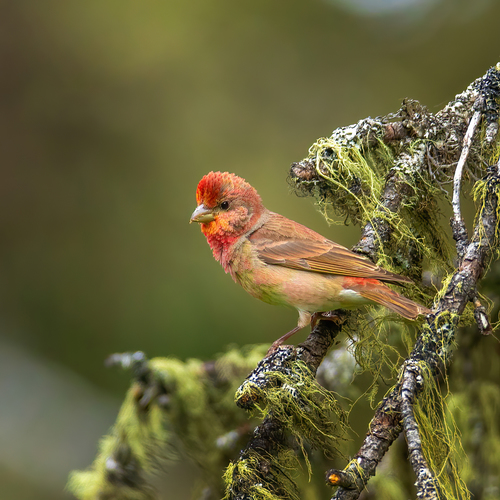
アカマシコ (Carpodacus erythrinus) アカマシコ
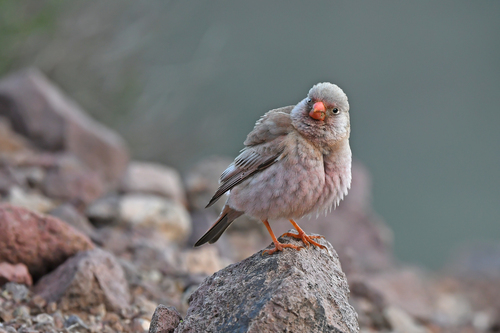
ナキマシコ (Bucanetes githagineus) ナキマシコ

メディア

読み込み中…

要点

アカマシコとナキマシコの最も信頼できるフィールドマークは、成鳥のオスにおける全体的な色合いとくちばしの色です:アカマシコのオスは、頭、胸、尾に鮮やかなバラ色の赤を示し、重く円錐形の暗いくちばしを持っています。一方、ナキマシコのオスは、ピンクがかった尾と胸を持っていますが、特徴的な赤いくちばしとより淡い砂色の上半身があります。両種の雌と幼鳥はずっと地味ですが、ナキマシコは常により淡く、洗いざらしのように見え、短くて太い淡いくちばしと、よりコンパクトで長い翼の形をしています。飛行中または静止中には、アカマシコの2つの不明瞭な翼帯(しばしば微妙)と、ナキマシコの平坦な翼と暗い先端を持つピンクの尾の基部を探してください。生息地も強い手がかりです:ナキマシコは開けた乾燥した国の鳥であり、アカマシコは藪や森林の端を好みます。

識別のコツ

  1. Bill color and shape: ナキマシコは常に太く短い淡いまたは赤みがかったくちばし(成鳥のオスは赤)を示し、アカマシコは重く円錐形の暗いくちばしを持っています。これは、距離があってもしばしば見えます。
  2. Male plumage (breeding): 成鳥のオスのアカマシコは、頭、胸、尾がバラ色の赤で、茶色の翼と微かな翼帯を持っています。ナキマシコのオスは赤いくちばし、灰色の頭と首、淡い茶色の上半身、ピンクがかった胸/尾を持っていますが、アカマシコの深い赤は決して持っていません。このピンクは、より広がりが少なく、飽和度も低いです。
  3. Female/immature plumage: 雌と幼鳥のナキマシコはずっと淡く、砂色で、均一に洗いざらしの外観と太く淡いくちばしを持っています。雌/幼鳥のアカマシコは上面が茶色、下面がクリーム色で、やや明るい尾を示すことがありますが、ナキマシコのように淡く砂色にはなりません。
  4. Wing pattern: アカマシコは2つの微かな翼帯を示すことがあります(すべての年齢)、ナキマシコの翼は平坦です。これは微妙ですが、近距離または写真で確認する価値があります。
  5. Tail pattern: ナキマシコは暗い端帯を持つピンクの尾を持ち、特に成鳥のオスでは目立ちます;アカマシコはこの特徴を持っていません。
  6. Overall coloration: ナキマシコは常に淡く、砂色で洗いざらしですが、アカマシコはより豊かな茶色または赤(オス)または黄褐色(雌/幼鳥)です。
  7. Structure: ナキマシコはよりコンパクトで、大きな頭、短い尾、太いくちばしを持っています。アカマシコはより典型的なマシコの形をしており、尾が長く、'かわいい'比率が少ないです。
  8. Habitat: ナキマシコはほとんど常に開けた乾燥した石や砂の地面におり、木の近くにはめったにいません。アカマシコは茂みの多い、森林のある、または川の近くの生息地にいます。
  9. Behavior: ナキマシコはしばしば群れで地面で餌を食べ、時には隠れ場所から遠く離れています;アカマシコはより頻繁に単独またはペアで見られ、茂みや木の中で餌を食べています。
  10. Vocalizations: ナキマシコの歌は鼻にかかった、ブンブンというトリルで、アカマシコの甘くさえずる歌とは非常に異なります。呼び声もナキマシコではより鋭く金属的です。
  11. Flight style: ナキマシコは飛行中にコンパクトで迅速に見え、しばしば地面の低いところを飛びます;アカマシコはより典型的なマシコのうねる飛行を持っています。
  12. Seasonal changes: 羽毛が抜けた後、オスのアカマシコの赤は抑えられ、羽の摩耗で明るくなります;ナキマシコのオスは非繁殖羽毛で雌に似てより鈍くなりますが、くちばしは赤のままです。
  13. Rare color forms: 時折、オスのアカマシコは食事や寄生虫の影響で赤ではなく黄色がかったように見えることがありますが、全体的な構造と生息地は依然として彼らを区別します。
  14. Pitfalls: 照明が悪いと、両種は鈍く茶色がかったように見えることがあります;ナキマシコのためにくちばしの形/色、生息地、全体的な淡さに焦点を当ててください。
  15. Geographic context: ナキマシコは乾燥した南ヨーロッパ、北アフリカ、アジアの外では稀です;アカマシコはヨーロッパとアジアに広く分布し、特に水辺や森林の近くにいます。

大きさ

アカマシコはわずかに大きく、長さは13〜15 cmで、より重く、頑丈な体とくちばしを持っています。ナキマシコは小さく、よりコンパクトで、相対的に大きな頭、短い尾、そして明らかに太く短いくちばしを持っています。フィールドでは、ナキマシコはより'かわいい'またはずんぐりしたように見えることがありますが、アカマシコは構造的により典型的なマシコのように見えます。

羽色

行動

ナキマシコはしばしば小さな群れを形成し、特に繁殖期の外では、開けた乾燥した地域で地面で餌を食べているのが見られることが多いです。水まで長距離を飛ぶこともあり、時には夕方に行います。アカマシコは繁殖中はより孤独またはペアで、茂みや低木で餌を探し、開けた不毛の地面で見られることは少ないです。飛行中、ナキマシコはコンパクトで迅速に見えますが、アカマシコはより典型的なマシコの飛行を持っています。

生息環境

生息地は強い区別要因です:ナキマシコはほとんど常に乾燥した開けた砂漠のような地域、岩だらけの平原、または半乾燥のステップに見られ、しばしば木から遠く離れています。アカマシコは藪、森林の端、川の近くの茂み、時には庭や果樹園を好み、通常は少なくとも木や茂みのカバーがあります。もし豊かな川の近くの茂みでマシコを見たら、それはナキマシコである可能性は低いです。

声

ナキマシコは特徴的な鼻にかかった、ブンブンというトリルを持ち、しばしば金属的またはトランペットのように表現されます。アカマシコの歌は甘くさえずる音の連続で、ナキマシコの鼻にかかった質とは非常に異なります。呼び声も異なります:ナキマシコは鋭く金属的な'dzrrt'を発し、アカマシコの呼び声はより柔らかく金属的ではありません。

より良い説明を送る

比較と同じ項目を使ってください。文章はすぐに公開されます。

The most reliable field mark between Common Rosefinch and Trumpeter Finch is the overall coloration and bill color in adult males: Common Rosefinch males show a vivid rosy-red on head, breast, and rump with a heavy, conical dark bill, while Trumpeter Finch males have a pinkish rump and breast, but a distinctive red bill and a paler, sandy-brown upper body. Females and immatures of both species are much duller, but Trumpeter Finch always looks paler and more washed-out, with a short, thick, pale bill and a more compact, long-winged shape. In flight or at rest, look for the rosefinch’s two indistinct wingbars (often subtle) versus the trumpeter’s plain wings and pink tail base with dark tip. Habitat is also a strong clue: Trumpeter Finch is a bird of open, arid country, while Common Rosefinch prefers thickets and woodland edges.

  1. Bill color and shape: Trumpeter Finch always shows a thick, short, pale or reddish bill (red in adult males), while Common Rosefinch has a heavy, conical, dark bill. This is often visible even at a distance.
  2. Male plumage (breeding): Adult male Common Rosefinch is rosy-red on head, breast, and rump, with brown wings and faint wingbars. Trumpeter Finch male has a red bill, greyish head and neck, pale brown upperparts, and pinkish breast/rump, but never the deep red of rosefinch. The pink is less extensive and less saturated.
  3. Female/immature plumage: Female and immature Trumpeter Finches are much paler and sandier, with a uniform washed-out look and a thick, pale bill. Female/immature rosefinches are brownish above, buff below, and may show a slightly brighter rump, but are never as pale or sandy as Trumpeter Finch.
  4. Wing pattern: Common Rosefinch may show two faint wingbars (all ages), while Trumpeter Finch’s wings are plain. This is subtle but worth checking at close range or in photos.
  5. Tail pattern: Trumpeter Finch has a pink tail with a dark terminal band, especially visible in adult males; rosefinch lacks this feature.
  6. Overall coloration: Trumpeter Finch is always paler, sandy, and washed-out, while rosefinch is richer brown or red (males) or yellowish-buff (females/immatures).
  7. Structure: Trumpeter Finch is more compact, with a large head, short tail, and thick bill. Rosefinch is more typical-finch shaped, with a longer tail and less 'cute' proportions.
  8. Habitat: Trumpeter Finch is almost always in open, dry, stony or sandy ground, rarely near trees. Rosefinch is in bushy, wooded, or riverside habitats.
  9. Behavior: Trumpeter Finch often feeds on the ground in flocks, sometimes far from cover; rosefinch is more often seen singly or in pairs, feeding in bushes or trees.
  10. Vocalizations: Trumpeter Finch’s song is a nasal, buzzing trill, very different from the sweet, warbling song of rosefinch. Calls are also sharper and more metallic in Trumpeter Finch.
  11. Flight style: Trumpeter Finch appears compact and swift in flight, often low over the ground; rosefinch has a more typical finch undulating flight.
  12. Seasonal changes: After moult, male rosefinch’s red is subdued and becomes brighter with feather wear; Trumpeter Finch males become duller and more like females in non-breeding plumage, but bill remains red.
  13. Rare color forms: Occasionally, male rosefinch may appear yellowish instead of red due to diet/parasites, but overall structure and habitat still separate them.
  14. Pitfalls: In poor light, both species can look dull and brownish; focus on bill shape/color, habitat, and overall paleness for Trumpeter Finch.
  15. Geographic context: Trumpeter Finch is rare outside arid southern Europe, North Africa, and Asia; rosefinch is widespread in Europe and Asia, especially near water or woodland.

Common Rosefinch is slightly larger, measuring 13–15 cm in length, with a heavier, more robust body and bill. Trumpeter Finch is smaller and more compact, with a proportionally larger head, shorter tail, and a noticeably thicker, shorter bill. In the field, Trumpeter Finch may appear more 'cute' or squat, while Common Rosefinch looks more like a typical finch in structure.

  • Juveniles and Females: Both species are dull, but Trumpeter Finch is paler overall, with sandy or buffy tones and a washed-out appearance. Its bill is always thick and pale, sometimes with a reddish tinge in males. Common Rosefinch females and immatures are brownish above with yellowish or buff underparts, and may show a slightly brighter rump, but never the sandy uniformity of Trumpeter Finch. The rosefinch’s wingbars (though faint) may be visible at close range; Trumpeter Finch wings are plain.
  • Adult Males (Breeding): Common Rosefinch males are strikingly rosy-red on the head, breast, and rump, with dark brown wings and two faint wingbars, and a heavy, dark bill. Trumpeter Finch males have a red bill, grey head and neck, pale brown upperparts, and pinkish breast and rump, but the pink is less extensive and less saturated than the rosefinch’s red. The tail of Trumpeter Finch is pink with a dark terminal band, a feature not shown by rosefinch.
  • Non-breeding/First-winter Males: Both species become duller, but rosefinch males retain some red, especially on the rump and face, while Trumpeter Finch males become more like females: sandy, washed-out, but with a red bill.

Trumpeter Finch often forms small flocks, especially outside the breeding season, and is more likely to be seen feeding on the ground in open, arid areas. It may fly long distances to water, sometimes in the evening. Common Rosefinch is more solitary or in pairs during breeding, foraging in bushes or low trees, and is less likely to be seen in open, barren ground. In flight, Trumpeter Finch appears compact and swift, while rosefinch has a more typical finch flight.

Habitat is a strong separator: Trumpeter Finch is almost always found in dry, open, desert-like areas, rocky plains, or semi-arid steppe, often far from trees. Common Rosefinch prefers thickets, woodland edges, riverine scrub, and sometimes gardens or orchards, usually with at least some tree or bush cover. If you see a finch in a lush riverside thicket, it is unlikely to be Trumpeter Finch.

Trumpeter Finch has a distinctive, nasal, buzzing trill, often described as tinny or trumpet-like. Common Rosefinch’s song is a sweet, warbling series of notes, very different from the trumpeter’s nasal quality. Calls are also different: Trumpeter Finch gives a sharp, metallic 'dzrrt', while rosefinch calls are softer and less metallic.

変更を破棄しますか?

保存していない編集があります。今離れると失われます。

アカマシコ · ナキマシコ · 苦手な鳥