

pintarroxo-de-bico-escuro vs pintassilgo-europeu
Linaria cannabina versus Carduelis carduelis
Jogue um quiz com pintarroxo-de-bico-escuro e pintassilgo-europeu
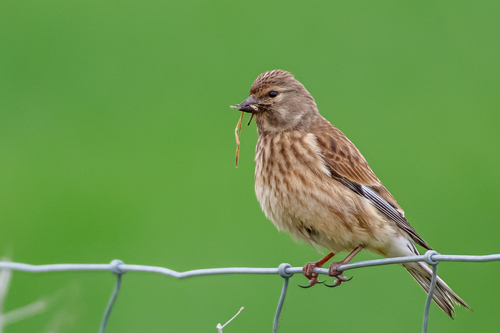 pintarroxo-de-bico-escuro
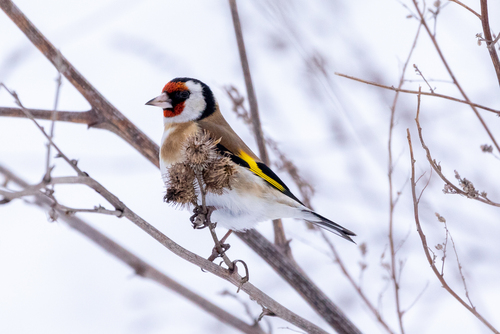 pintassilgo-europeu
Em resumo
A marca de campo mais confiável entre o pintarroxo-de-bico-escuro e o pintassilgo-europeu é a faixa amarela ousada da asa do pintassilgo, visível em todas as idades e especialmente impressionante em voo, enquanto o pintarroxo não apresenta amarelo na asa. Pintassilgos juvenis, mesmo antes de seu rosto vermelho aparecer, são facilmente identificáveis por essa faixa amarela na asa, enquanto pintarros juvenis são muito mais simples. Pintarros machos adultos no verão mostram vermelho no peito e na testa, mas fêmeas e imaturos são listrados e marrons, correndo o risco de confusão com pintassilgos juvenis se o padrão da asa for perdido. Pintassilgos de todas as idades têm um padrão facial distinto (vermelho em adultos, simples em juvenis), enquanto pintarros nunca mostram um rosto vermelho. Ambos são pequenos fringilídeos, mas o pintassilgo é ligeiramente mais leve e mais compacto.
Dicas de identificação
- Faixa amarela na asa (todas as idades): Apenas o pintassilgo-europeu mostra uma faixa amarela ousada na asa, visível em voo e em repouso. Pintarros nunca mostram amarelo na asa. Esta é a marca de campo mais confiável, especialmente para juvenis e em voo.
- Padrão da cabeça juvenil: Pintassilgos juvenis têm uma cabeça simples, marrom-acinzentada (sem vermelho), mas ainda mostram a faixa amarela na asa. Pintarros juvenis são marrons listrados acima e abaixo, sem amarelo e sem padrão facial.
- Padrão facial adulto: Pintassilgos adultos têm um rosto vermelho brilhante com cabeça preto-e-branca; nenhum pintarro nunca mostra um rosto vermelho. Pintarros machos têm uma testa e peito vermelhos, mas o rosto é de outra forma cinza ou marrom simples.
- Peito e partes inferiores: Pintarros machos no verão mostram um peito vermelho; pintassilgos nunca têm vermelho no peito. Fêmeas e imaturos de pintarros são listrados abaixo, enquanto pintassilgos têm partes inferiores brancas mais limpas com flancos cor de palha.
- Asa e rabo em voo: Pintassilgos mostram um rabo branco e faixa amarela na asa; pintarros mostram um dorso marrom uniforme e sem amarelo ou branco na asa.
- Formato e cor do bico: Pintassilgos têm um bico longo, pontudo e de cor marfim (pálido com uma ponta escura na época de reprodução); pintarros têm um bico mais curto, mais grosso e cinza.
- Cor do ombro: Pintassilgos machos têm penas de ombro pretas; fêmeas têm ombros mais marrons. Os ombros dos pintarros não são contrastantes.
- Cauda e estrutura: Ambos têm caudas bifurcadas, mas o pintassilgo é ligeiramente mais compacto e delicado, com uma cauda mais curta e postura mais ereta ao se alimentar de cabeças de sementes.
- Diferenças sexuais: Os sexos do pintassilgo são semelhantes, mas as fêmeas têm uma máscara vermelha menor e ombros mais marrons. Fêmeas de pintarro não têm vermelho de forma alguma.
- Após a muda: Pintassilgos podem parecer menos coloridos após a muda, mas a faixa amarela na asa e o padrão facial permanecem; pintarros tornam-se ainda mais simples.
- Comportamento alimentar: Pintassilgos são frequentemente vistos pendurados em cabeças de cardo ou alimentadores de nyjer; pintarros se alimentam mais no chão ou em pé em arbustos.
- Contexto do habitat: Em jardins com alimentadores, o pintassilgo é mais provável; em arbustos abertos ou cercas vivas, o pintarro é mais provável.
- Tamanho do bando: Bandos grandes e barulhentos em alimentadores ou áreas de ervas daninhas no inverno são provavelmente pintassilgos; bandos de pintarros são geralmente menores e menos orientados para jardins.
- Voz: A canção prateada e trinado do pintassilgo e os chamados melódicos são distintos; a canção do pintarro não é descrita aqui, então use cautela com a identificação vocal.
- Armadilhas: Fêmeas e juvenis de pintarros são facilmente confundidos com pintassilgos juvenis se a faixa amarela na asa não for vista. Sempre verifique se há amarelo na asa e padrão facial, especialmente em luz fraca ou à distância.
Tamanho
Both species are small finches, but the pintarroxo-de-bico-escuro averages about 19g in body mass [wikidata], while the pintassilgo-europeu ranges from 14–19g [wikipedia]. The goldfinch is slightly smaller and more delicate, with a shorter, more pointed bill compared to the linnet’s stubbier, grey bill. In the field, size difference is subtle and rarely diagnostic; focus on structure and plumage.
Plumagem
-
Juveniles/First-year birds: Juvenile European Goldfinches have a plain, brownish-grey head (lacking the adult’s red face), but always show a bold yellow wing stripe and black wings, making them distinctive even before their facial pattern develops. Juvenile Common Linnets are streaky brown above and below, with no yellow in the wing and no face pattern, appearing much plainer overall.
-
Adult males (breeding): Male linnets have a grey nape, red forehead and breast, brown upperparts, and white underparts streaked buff (if not in full breeding plumage). Adult goldfinches have a bright red face, black-and-white head, warm brown upperparts, white underparts with buff flanks, and black wings with a broad yellow bar. The goldfinch’s face pattern is always striking, while the linnet’s red is limited to the forehead and breast.
-
Females and non-breeding birds: Female and immature linnets lack the red and have streaked buff-white underparts and brown upperparts. Female goldfinches resemble males but with a slightly smaller red mask and browner shoulder feathers; their yellow wing bar remains obvious. After moult, goldfinches can appear less colourful, but the yellow wing bar and face pattern persist.
-
In flight: Goldfinches flash a white rump and yellow wing bar; linnets show no yellow and have a more uniform brown appearance in flight.
Comportamento
Ambas as espécies são sociais, mas os pintassilgos-europeus são especialmente gregários fora da época de reprodução, formando bandos de até 40 ou mais, frequentemente em alimentadores ou áreas de ervas daninhas. Pintassilgos são alimentadores ágeis e acrobáticos, frequentemente vistos pendurados em cabeças de cardo ou alimentadores de nyjer. Pintarros também são aves em bando, mas são mais propensos a serem vistos se alimentando no chão ou empoleirados em pé em arbustos. Ambas as espécies têm um voo ondulante e saltitante típico dos fringilídeos, mas os pintassilgos podem parecer mais flutuantes e erráticos.
Habitat
Ambas as espécies ocorrem em campos abertos, terras agrícolas e áreas de ervas daninhas, mas os pintassilgos estão mais intimamente ligados a áreas com cardos, cardos-de-água e alimentadores de jardim, especialmente no inverno. Pintarros preferem arbustos abertos, cercas vivas e pastagens ásperas, e são menos propensos a visitar alimentadores de jardim. Em jardins urbanos ou suburbanos, um pintassilgo é mais provável, especialmente se sementes de nyjer ou girassol estiverem disponíveis.
Voz
O pintassilgo-europeu tem uma canção agradável e prateada e um chamado melódico distinto (tickeLIT ou teLLIT-teLLIT-teLLIT), frequentemente emitido em voo ou de um poleiro. A canção do pintarro não é descrita nas notas fornecidas, então as vocalizações não são um separador confiável com base nessas informações.
pintarroxo-de-bico-escuro · pintassilgo-europeu · Minhas aves difíceis