

Motmot

ムネアカヒワ 対 ゴシキヒワ

Linaria cannabina 対 Carduelis carduelis

ムネアカヒワとゴシキヒワのクイズ
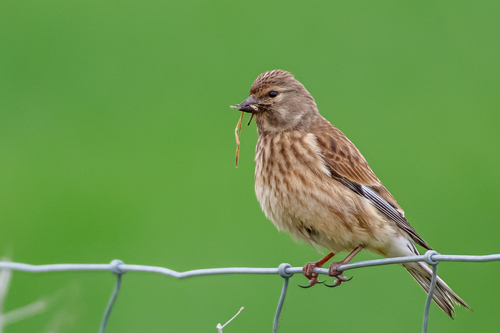
ムネアカヒワ (Linaria cannabina) ムネアカヒワ
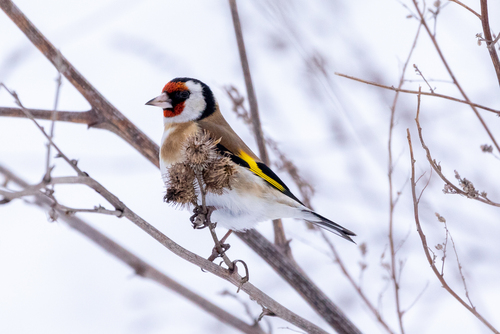
ゴシキヒワ (Carduelis carduelis) ゴシキヒワ

メディア

読み込み中…

要点

ムネアカヒワとゴシキヒワの最も信頼できるフィールドマークは、ゴシキヒワの大胆な黄色の翼のバーで、すべての年齢で見られ、特に飛行中に目を引く一方で、ムネアカヒワは翼に黄色がありません。若いゴシキヒワは、赤い顔が現れる前でもこの黄色の翼のストライプで簡単に識別できるのに対し、若いムネアカヒワはずっと地味です。夏の成鳥のオスのムネアカヒワは、胸と額に赤を示しますが、メスと幼鳥は縞模様があり、茶色で、翼のパターンを見逃すとゴシキヒワの幼鳥と混同する危険があります。すべての年齢のゴシキヒワは特徴的な顔のパターンを持っており(成鳥は赤、幼鳥は地味)、ムネアカヒワは決して赤い顔を見せません。どちらも小さなフィンチですが、ゴシキヒワはわずかに軽く、よりコンパクトです。

識別のコツ

  1. 黄色の翼のバー(すべての年齢): ゴシキヒワだけが大胆な黄色の翼のストライプを示し、飛行中や休んでいるときに見えます。ムネアカヒワは翼に黄色を示しません。これは、特に幼鳥や飛行中に最も信頼できるフィールドマークです。
  2. 幼鳥の頭のパターン: 幼いゴシキヒワは地味な茶色がかった灰色の頭(赤はなし)を持っていますが、黄色の翼のバーは示します。幼いムネアカヒワは上も下も縞模様の茶色で、黄色も顔のパターンもありません。
  3. 成鳥の顔のパターン: 成鳥のゴシキヒワは明るい赤い顔と黒と白の頭を持っていますが、ムネアカヒワは決して赤い顔を示しません。オスのムネアカヒワは赤い額と胸を持っていますが、顔はそれ以外は地味な灰色または茶色です。
  4. 胸と腹部: 夏のオスのムネアカヒワは赤い胸を示しますが、ゴシキヒワは胸に赤を持ちません。メスと幼鳥のムネアカヒワは下に縞模様があり、ゴシキヒワはクリーンな白い腹部を持ち、バフの側面があります。
  5. 飛行中の翼と尾: ゴシキヒワは白い尾と黄色の翼のバーを見せ、ムネアカヒワは均一な茶色の背中を示し、翼に黄色や白はありません。
  6. くちばしの形と色: ゴシキヒワは長く尖った象牙色のくちばしを持ち(繁殖期には淡い色で先端が暗い)、ムネアカヒワは短くて太めの灰色のくちばしを持っています。
  7. 肩の色: オスのゴシキヒワは黒い肩の羽毛を持ち、メスはより茶色の肩を持っています。ムネアカヒワの肩は対照的ではありません。
  8. 尾と構造: 両者ともに分岐した尾を持っていますが、ゴシキヒワはわずかにコンパクトで繊細で、尾が短く、種の頭を食べるときにより直立した姿勢を持っています。
  9. 性差: ゴシキヒワの性別は似ていますが、メスは小さな赤いマスクと茶色の肩を持っています。ムネアカヒワのメスは赤を全く持っていません。
  10. 換羽後: ゴシキヒワは換羽後に色が薄く見えることがありますが、黄色の翼のバーと顔のパターンは残ります。ムネアカヒワはさらに地味になります。
  11. 採餌行動: ゴシキヒワはしばしばアザミの頭やニジャーのフィーダーからぶら下がっているのが見られますが、ムネアカヒワは地面で食べたり、茂みに直立しているのがより一般的です。
  12. 生息地の文脈: フィーダーのある庭ではゴシキヒワがより可能性が高く、開けた低木や生垣ではムネアカヒワがより可能性があります。
  13. 群れのサイズ: 冬のフィーダーや雑草の生えた場所での大きくて騒がしい群れはゴシキヒワの可能性が高く、ムネアカヒワの群れは通常小さく、庭に特化していません。
  14. 声: ゴシキヒワの銀色のさえずりの歌とメロディックな呼び声は特徴的で、ムネアカヒワの歌はここでは説明されていないので、声による識別には注意が必要です。
  15. 落とし穴: メスと幼鳥のムネアカヒワは、黄色の翼のバーが見えない場合、幼いゴシキヒワと簡単に混同されます。特に鈍い光や距離がある場合は、翼の黄色と顔のパターンを常に確認してください。

大きさ

両種は小さなフィンチですが、ムネアカヒワは体重が約19gで平均され、ゴシキヒワは14〜19gの範囲です。ゴシキヒワはわずかに小さく、より繊細で、ムネアカヒワの太くて灰色のくちばしに比べて、短く尖ったくちばしを持っています。フィールドでは、サイズの違いは微妙で、診断的であることはまれです。構造と羽毛に焦点を当ててください。

羽色

行動

両種は社会的ですが、ゴシキヒワは繁殖期以外に特に群れを作り、40羽以上の群れを形成し、しばしばフィーダーや雑草の生えた場所にいます。ゴシキヒワは敏捷でアクロバティックな採餌者で、しばしばアザミの頭やニジャーのフィーダーからぶら下がっているのが見られます。ムネアカヒワも群れを作る鳥ですが、地面で食べたり、茂みに直立しているのがより一般的です。両種ともにフィンチ特有の波打つような飛行を持っていますが、ゴシキヒワはより浮遊感があり、不規則に見えることがあります。

生息環境

両種は開けた田舎、農地、雑草の生えた場所に生息していますが、ゴシキヒワは特に冬にアザミ、ティーゼル、庭のフィーダーのある場所に密接に結びついています。ムネアカヒワは開けた低木、生垣、粗い草地を好み、庭のフィーダーを訪れる可能性は低いです。都市や郊外の庭では、特にニジャーやひまわりの種が利用可能な場合、ゴシキヒワがより可能性があります。

声

ゴシキヒワは心地よい銀色のさえずりの歌と特徴的なメロディックな呼び声(tickeLITまたはteLLIT-teLLIT-teLLIT)を持ち、しばしば飛行中または止まり木から発せられます。ムネアカヒワの歌は提供されたメモには記載されていないため、この情報に基づいて声による識別は信頼できる分離要因ではありません。

より良い説明を送る

比較と同じ項目を使ってください。文章はすぐに公開されます。

The most reliable field mark between Common Linnet and European Goldfinch is the goldfinch’s bold yellow wing bar, visible in all ages and especially striking in flight, while the linnet lacks any yellow in the wing. Juvenile goldfinches, even before their red face appears, are easily told by this yellow wing stripe, whereas juvenile linnets are much plainer. Adult male linnets in summer show red on the breast and forehead, but females and immatures are streaky and brown, risking confusion with goldfinch juveniles if the wing pattern is missed. Goldfinches of all ages have a distinctive face pattern (red in adults, plain in juveniles), while linnets never show a red face. Both are small finches, but the goldfinch is slightly lighter and more compact.

  1. Yellow wing bar (all ages): Only the European Goldfinch shows a bold yellow wing stripe, visible in flight and at rest. Linnets never show yellow in the wing. This is the single most reliable field mark, especially for juveniles and in flight.
  2. Juvenile head pattern: Juvenile goldfinches have a plain, brownish-grey head (no red), but still show the yellow wing bar. Juvenile linnets are streaky brown above and below, with no yellow and no face pattern.
  3. Adult face pattern: Adult goldfinches have a bright red face with black-and-white head; no linnet ever shows a red face. Male linnets have a red forehead and breast, but the face is otherwise plain grey or brown.
  4. Breast and underparts: Male linnets in summer show a red breast; goldfinches never have red on the breast. Female and immature linnets are streaked below, while goldfinches have cleaner white underparts with buff flanks.
  5. Wing and rump in flight: Goldfinches flash a white rump and yellow wing bar; linnets show a uniform brown back and no yellow or white in the wing.
  6. Bill shape and colour: Goldfinches have a long, pointed, ivory-coloured bill (pale with a dark tip in breeding season); linnets have a shorter, stubbier, grey bill.
  7. Shoulder colour: Male goldfinches have black shoulder feathers; females have browner shoulders. Linnets’ shoulders are not contrasting.
  8. Tail and structure: Both have forked tails, but the goldfinch is slightly more compact and delicate, with a shorter tail and more upright posture when feeding on seed heads.
  9. Sex differences: Goldfinch sexes are similar, but females have a smaller red mask and browner shoulders. Linnet females lack red entirely.
  10. After moult: Goldfinches may appear less colourful after moult, but the yellow wing bar and face pattern remain; linnets become even plainer.
  11. Feeding behaviour: Goldfinches are often seen hanging from thistle heads or nyjer feeders; linnets feed more on the ground or upright on bushes.
  12. Habitat context: In gardens with feeders, goldfinch is more likely; in open scrub or hedgerows, linnet is more probable.
  13. Flock size: Large, noisy flocks at feeders or weedy patches in winter are likely goldfinch; linnet flocks are usually smaller and less garden-oriented.
  14. Voice: Goldfinch’s silvery, twittering song and melodic calls are distinctive; linnet’s song is not described here, so use caution with vocal ID.
  15. Pitfalls: Female and juvenile linnets are easily confused with juvenile goldfinches if the yellow wing bar is not seen. Always check for the yellow in the wing and face pattern, especially in dull light or at a distance.

Both species are small finches, but the Common Linnet averages about 19g in body mass [wikidata], while the European Goldfinch ranges from 14–19g [wikipedia]. The goldfinch is slightly smaller and more delicate, with a shorter, more pointed bill compared to the linnet’s stubbier, grey bill. In the field, size difference is subtle and rarely diagnostic; focus on structure and plumage.

  • Juveniles/First-year birds: Juvenile European Goldfinches have a plain, brownish-grey head (lacking the adult’s red face), but always show a bold yellow wing stripe and black wings, making them distinctive even before their facial pattern develops. Juvenile Common Linnets are streaky brown above and below, with no yellow in the wing and no face pattern, appearing much plainer overall.

  • Adult males (breeding): Male linnets have a grey nape, red forehead and breast, brown upperparts, and white underparts streaked buff (if not in full breeding plumage). Adult goldfinches have a bright red face, black-and-white head, warm brown upperparts, white underparts with buff flanks, and black wings with a broad yellow bar. The goldfinch’s face pattern is always striking, while the linnet’s red is limited to the forehead and breast.

  • Females and non-breeding birds: Female and immature linnets lack the red and have streaked buff-white underparts and brown upperparts. Female goldfinches resemble males but with a slightly smaller red mask and browner shoulder feathers; their yellow wing bar remains obvious. After moult, goldfinches can appear less colourful, but the yellow wing bar and face pattern persist.

  • In flight: Goldfinches flash a white rump and yellow wing bar; linnets show no yellow and have a more uniform brown appearance in flight.

Both species are social, but European Goldfinches are especially gregarious outside the breeding season, forming flocks of up to 40 or more, often at feeders or weedy patches. Goldfinches are agile, acrobatic feeders, frequently seen hanging from thistle heads or nyjer feeders. Linnets are also flocking birds but are more likely to be seen feeding on the ground or perched upright on bushes. Both species have undulating, bounding flight typical of finches, but goldfinches may appear more buoyant and erratic.

Both species occur in open country, farmland, and weedy areas, but goldfinches are more closely tied to areas with thistles, teasels, and garden feeders, especially in winter. Linnets prefer open scrub, hedgerows, and rough grassland, and are less likely to visit garden feeders. In urban or suburban gardens, a goldfinch is more likely, especially if nyjer or sunflower seeds are available.

The European Goldfinch has a pleasant, silvery twittering song and a distinctive melodic call (tickeLIT or teLLIT-teLLIT-teLLIT), often delivered in flight or from a perch. The Common Linnet’s song is not described in the provided notes, so vocalizations are not a reliable separator based on this information.

変更を破棄しますか?

保存していない編集があります。今離れると失われます。

ムネアカヒワ · ゴシキヒワ · 苦手な鳥