

Pardillo Común vs Jilguero Europeo
Linaria cannabina frente a Carduelis carduelis
Juega un quiz con Pardillo Común y Jilguero Europeo
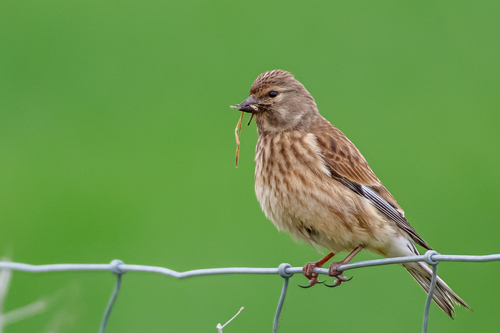 Pardillo Común
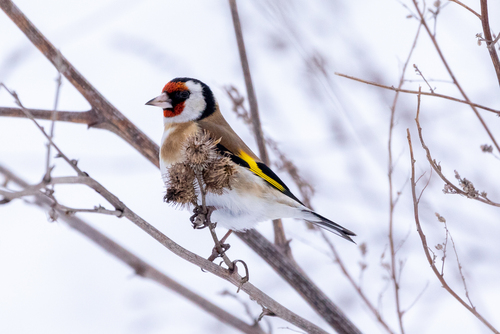 Jilguero Europeo
En breve
La marca de campo más confiable entre el Pardillo Común y el Jilguero Europeo es la audaz barra amarilla en el ala del jilguero, visible en todas las edades y especialmente llamativa en vuelo, mientras que el pardillo carece de amarillo en el ala. Los jilgueros juveniles, incluso antes de que aparezca su cara roja, se distinguen fácilmente por esta franja amarilla en el ala, mientras que los pardillos juveniles son mucho más simples. Los pardillos machos adultos en verano muestran rojo en el pecho y la frente, pero las hembras y los inmaduros son estriados y marrones, arriesgando confusiones con los juveniles de jilguero si se pasa por alto el patrón del ala. Los jilgueros de todas las edades tienen un patrón facial distintivo (rojo en adultos, simple en juveniles), mientras que los pardillos nunca muestran una cara roja. Ambos son pequeños fringílidos, pero el jilguero es ligeramente más ligero y compacto.
Consejos de identificación
- Barra amarilla en el ala (todas las edades): Solo el Jilguero Europeo muestra una audaz franja amarilla en el ala, visible en vuelo y en reposo. Los pardillos nunca muestran amarillo en el ala. Esta es la única marca de campo más confiable, especialmente para juveniles y en vuelo.
- Patrón de cabeza juvenil: Los jilgueros juveniles tienen una cabeza simple, marrón-grisácea (sin rojo), pero aún muestran la barra amarilla en el ala. Los pardillos juveniles son marrones estriados arriba y abajo, sin amarillo y sin patrón facial.
- Patrón facial adulto: Los jilgueros adultos tienen una cara roja brillante con cabeza en blanco y negro; ningún pardillo muestra jamás una cara roja. Los pardillos machos tienen una frente y pecho rojos, pero la cara es de otro modo gris o marrón simple.
- Pecho y partes inferiores: Los pardillos machos en verano muestran un pecho rojo; los jilgueros nunca tienen rojo en el pecho. Las hembras y los inmaduros de pardillo son estriados por debajo, mientras que los jilgueros tienen partes inferiores blancas más limpias con flancos color canela.
- Ala y rabadilla en vuelo: Los jilgueros muestran una rabadilla blanca y barra amarilla en el ala; los pardillos muestran un dorso marrón uniforme y sin amarillo o blanco en el ala.
- Forma y color del pico: Los jilgueros tienen un pico largo, puntiagudo y de color marfil (pálido con una punta oscura en la temporada de cría); los pardillos tienen un pico más corto, más robusto y gris.
- Color del hombro: Los jilgueros machos tienen plumas de hombro negras; las hembras tienen hombros más marrones. Los hombros de los pardillos no son contrastantes.
- Cola y estructura: Ambos tienen colas bifurcadas, pero el jilguero es ligeramente más compacto y delicado, con una cola más corta y una postura más erguida al alimentarse de las cabezas de semillas.
- Diferencias sexuales: Los sexos del jilguero son similares, pero las hembras tienen una máscara roja más pequeña y hombros más marrones. Las hembras de pardillo carecen completamente de rojo.
- Después de la muda: Los jilgueros pueden parecer menos coloridos después de la muda, pero la barra amarilla en el ala y el patrón facial permanecen; los pardillos se vuelven aún más simples.
- Comportamiento alimenticio: Los jilgueros a menudo se ven colgando de las cabezas de cardos o comederos de nyjer; los pardillos se alimentan más en el suelo o erguidos en arbustos.
- Contexto de hábitat: En jardines con comederos, es más probable ver un jilguero; en matorrales abiertos o setos, es más probable ver un pardillo.
- Tamaño del grupo: Grandes y ruidosos grupos en comederos o parches de malas hierbas en invierno son probablemente jilgueros; los grupos de pardillos suelen ser más pequeños y menos orientados al jardín.
- Voz: La canción plateada y trina del jilguero y sus llamados melódicos son distintivos; la canción del pardillo no se describe aquí, así que ten cuidado con la identificación vocal.
- Trampas: Las hembras y los juveniles de pardillo se confunden fácilmente con los juveniles de jilguero si no se ve la barra amarilla en el ala. Siempre verifica el amarillo en el ala y el patrón facial, especialmente en luz tenue o a distancia.
Tamaño
Both species are small finches, but the Pardillo Común averages about 19g in body mass [wikidata], while the Jilguero Europeo ranges from 14–19g [wikipedia]. The goldfinch is slightly smaller and more delicate, with a shorter, more pointed bill compared to the linnet’s stubbier, grey bill. In the field, size difference is subtle and rarely diagnostic; focus on structure and plumage.
Plumaje
-
Juveniles/First-year birds: Juvenile European Goldfinches have a plain, brownish-grey head (lacking the adult’s red face), but always show a bold yellow wing stripe and black wings, making them distinctive even before their facial pattern develops. Juvenile Common Linnets are streaky brown above and below, with no yellow in the wing and no face pattern, appearing much plainer overall.
-
Adult males (breeding): Male linnets have a grey nape, red forehead and breast, brown upperparts, and white underparts streaked buff (if not in full breeding plumage). Adult goldfinches have a bright red face, black-and-white head, warm brown upperparts, white underparts with buff flanks, and black wings with a broad yellow bar. The goldfinch’s face pattern is always striking, while the linnet’s red is limited to the forehead and breast.
-
Females and non-breeding birds: Female and immature linnets lack the red and have streaked buff-white underparts and brown upperparts. Female goldfinches resemble males but with a slightly smaller red mask and browner shoulder feathers; their yellow wing bar remains obvious. After moult, goldfinches can appear less colourful, but the yellow wing bar and face pattern persist.
-
In flight: Goldfinches flash a white rump and yellow wing bar; linnets show no yellow and have a more uniform brown appearance in flight.
Comportamiento
Ambas especies son sociales, pero los Jilgueros Europeos son especialmente gregarios fuera de la temporada de cría, formando grupos de hasta 40 o más, a menudo en comederos o parches de malas hierbas. Los jilgueros son alimentadores ágiles y acrobáticos, frecuentemente vistos colgando de las cabezas de cardos o comederos de nyjer. Los pardillos también son aves en bandada, pero es más probable verlos alimentándose en el suelo o posados erguidos en arbustos. Ambas especies tienen un vuelo ondulante y saltarín típico de los fringílidos, pero los jilgueros pueden parecer más ligeros y erráticos.
Hábitat
Ambas especies se encuentran en campos abiertos, tierras agrícolas y áreas de malas hierbas, pero los jilgueros están más estrechamente vinculados a áreas con cardos, cardos de agua y comederos de jardín, especialmente en invierno. Los pardillos prefieren matorrales abiertos, setos y pastizales ásperos, y son menos propensos a visitar comederos de jardín. En jardines urbanos o suburbanos, es más probable ver un jilguero, especialmente si hay semillas de nyjer o girasol disponibles.
Voz
El Jilguero Europeo tiene una agradable canción plateada y un llamado melódico distintivo (tickeLIT o teLLIT-teLLIT-teLLIT), a menudo emitido en vuelo o desde una percha. La canción del Pardillo Común no se describe en las notas proporcionadas, por lo que las vocalizaciones no son un separador confiable basado en esta información.