

Fanello vs Cardellino
Linaria cannabina contro Carduelis carduelis
Fai un quiz con Fanello e Cardellino
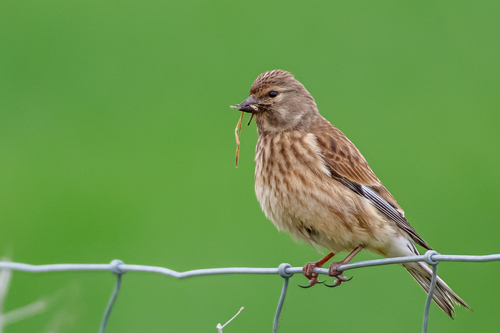 Fanello
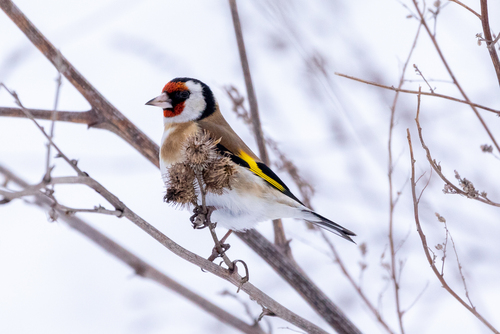 Cardellino
In breve
Il segno di campo più affidabile tra il Fanello e il Cardellino è la vivace striscia gialla sulle ali del cardellino, visibile in tutte le età e particolarmente colpente in volo, mentre il fanello non presenta alcun giallo nelle ali. I cardellini giovani, anche prima che appaia il loro volto rosso, sono facilmente riconoscibili da questa striscia gialla, mentre i fanelli giovani sono molto più semplici. I fanelli maschi adulti in estate mostrano rosso sul petto e sulla fronte, ma le femmine e gli immaturi sono striati e marroni, rischiando confusione con i giovani cardellini se il motivo delle ali viene trascurato. I cardellini di tutte le età hanno un motivo facciale distintivo (rosso negli adulti, semplice nei giovani), mentre i fanelli non mostrano mai un volto rosso. Entrambi sono piccoli fringillidi, ma il cardellino è leggermente più leggero e più compatto.
Consigli di identificazione
- Striscia gialla sulle ali (tutte le età): Solo il Cardellino mostra una vivace striscia gialla sulle ali, visibile in volo e a riposo. I fanelli non mostrano mai giallo nelle ali. Questo è il segno di campo più affidabile, specialmente per i giovani e in volo.
- Motivo della testa dei giovani: I cardellini giovani hanno una testa semplice, grigio-marrone (senza rosso), ma mostrano comunque la striscia gialla sulle ali. I fanelli giovani sono striati di marrone sopra e sotto, senza giallo e senza motivo facciale.
- Motivo facciale degli adulti: I cardellini adulti hanno un volto rosso brillante con testa bianco e nero; nessun fanello mostra mai un volto rosso. I fanelli maschi hanno una fronte e un petto rossi, ma il volto è altrimenti grigio o marrone semplice.
- Petto e parti inferiori: I fanelli maschi in estate mostrano un petto rosso; i cardellini non hanno mai rosso sul petto. Le femmine e gli immaturi di fanello sono striati sotto, mentre i cardellini hanno parti inferiori bianche più pulite con fianchi color buff.
- Ali e coda in volo: I cardellini mostrano una coda bianca e una striscia gialla sulle ali; i fanelli mostrano un dorso marrone uniforme e nessun giallo o bianco nelle ali.
- Forma e colore del becco: I cardellini hanno un becco lungo, appuntito e color avorio (chiaro con una punta scura in stagione di riproduzione); i fanelli hanno un becco più corto, tozzo e grigio.
- Colore delle spalle: I maschi di cardellino hanno piume nere sulle spalle; le femmine hanno spalle più marroni. Le spalle dei fanelli non sono contrastanti.
- Coda e struttura: Entrambi hanno code forked, ma il cardellino è leggermente più compatto e delicato, con una coda più corta e una postura più eretta quando si nutre di semi.
- Differenze sessuali: I sessi del cardellino sono simili, ma le femmine hanno una maschera rossa più piccola e spalle più marroni. Le femmine di fanello non hanno affatto rosso.
- Dopo la muta: I cardellini possono apparire meno colorati dopo la muta, ma la striscia gialla sulle ali e il motivo facciale rimangono; i fanelli diventano ancora più semplici.
- Comportamento alimentare: I cardellini sono spesso visti appesi a teste di cardo o mangiatoie per nyjer; i fanelli si nutrono più a terra o eretti sui cespugli.
- Contesto dell'habitat: Nei giardini con mangiatoie, è più probabile vedere il cardellino; in cespugli aperti o siepi, è più probabile vedere il fanello.
- Dimensione del gruppo: Grandi e rumorosi gruppi presso le mangiatoie o in aree infestanti in inverno sono probabilmente cardellini; i gruppi di fanelli sono solitamente più piccoli e meno orientati ai giardini.
- Voce: Il canto argentato e cinguettante del cardellino e le chiamate melodiche sono distintivi; il canto del fanello non è descritto qui, quindi usare cautela con l'identificazione vocale.
- Trappole: Le femmine e i giovani fanelli sono facilmente confusi con i giovani cardellini se la striscia gialla sulle ali non è vista. Controllare sempre il giallo nelle ali e il motivo facciale, specialmente in luce fioca o a distanza.
Taglia
Entrambe le specie sono piccoli fringillidi, ma il Fanello pesa in media circa 19g [wikidata], mentre il Cardellino varia da 14 a 19g [wikipedia]. Il cardellino è leggermente più piccolo e più delicato, con un becco più corto e appuntito rispetto a quello tozzo e grigio del fanello. Sul campo, la differenza di dimensione è sottile e raramente diagnostica; concentrarsi sulla struttura e sul piumaggio.
Piumaggio
-
Giovani/Uccelli di primo anno: I giovani Cardellini hanno una testa semplice, grigio-marrone (mancante del volto rosso dell'adulto), ma mostrano sempre una vivace striscia gialla sulle ali e ali nere, rendendoli distintivi anche prima che si sviluppi il loro motivo facciale. I giovani Fanelli sono striati di marrone sopra e sotto, senza giallo nelle ali e senza motivo facciale, apparendo molto più semplici nel complesso.
-
Maschi adulti (riproduzione): I fanelli maschi hanno una nuca grigia, fronte e petto rossi, parti superiori marroni e parti inferiori bianche striate di buff (se non in pieno piumaggio di riproduzione). I cardellini adulti hanno un volto rosso brillante, testa bianco e nero, parti superiori marroni calde, parti inferiori bianche con fianchi color buff e ali nere con una larga striscia gialla. Il motivo facciale del cardellino è sempre colpente, mentre il rosso del fanello è limitato alla fronte e al petto.
-
Femmine e uccelli non in riproduzione: Le femmine e i fanelli immaturi mancano del rosso e hanno parti inferiori striate di bianco buff e parti superiori marroni. Le femmine di cardellino somigliano ai maschi ma con una maschera rossa leggermente più piccola e piume delle spalle più marroni; la loro striscia gialla sulle ali rimane ovvia. Dopo la muta, i cardellini possono apparire meno colorati, ma la striscia gialla sulle ali e il motivo facciale persistono.
-
In volo: I cardellini mostrano una coda bianca e una striscia gialla sulle ali; i fanelli non mostrano giallo e hanno un aspetto più uniforme marrone in volo.
Comportamento
Entrambe le specie sono sociali, ma i Cardellini sono particolarmente gregari al di fuori della stagione di riproduzione, formando gruppi di fino a 40 o più, spesso presso mangiatoie o in aree infestanti. I cardellini sono alimentatori agili e acrobatici, frequentemente visti appesi a teste di cardo o mangiatoie per nyjer. I fanelli sono anche uccelli gregari ma è più probabile vederli nutrirsi a terra o appollaiati eretti sui cespugli. Entrambe le specie hanno un volo ondulato e saltellante tipico dei fringillidi, ma i cardellini possono apparire più leggeri ed erratici.
Habitat
Entrambe le specie si trovano in campagna aperta, terreni agricoli e aree infestanti, ma i cardellini sono più legati a zone con cardi, cardo e mangiatoie per giardini, specialmente in inverno. I fanelli preferiscono cespugli aperti, siepi e terreni erbosi ruvidi, e sono meno propensi a visitare le mangiatoie per giardini. Nei giardini urbani o suburbani, è più probabile vedere un cardellino, specialmente se sono disponibili semi di nyjer o girasole.
Voce
Il Cardellino ha un canto piacevole e argentato e una chiamata melodica distintiva (tickeLIT o teLLIT-teLLIT-teLLIT), spesso eseguita in volo o da un posatoio. Il canto del Fanello non è descritto nelle note fornite, quindi le vocalizzazioni non sono un separatore affidabile basato su queste informazioni.