

felosinha-comum vs pardal-espanhol
Phylloscopus collybita versus Passer hispaniolensis
Jogue um quiz com felosinha-comum e pardal-espanhol
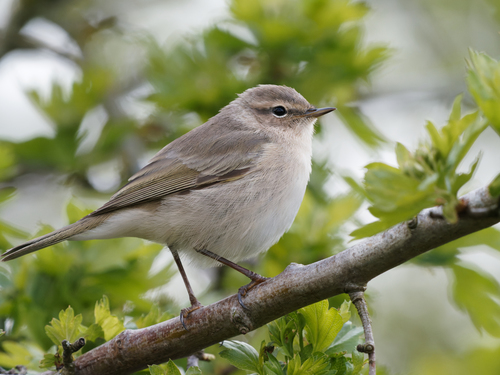 felosinha-comum
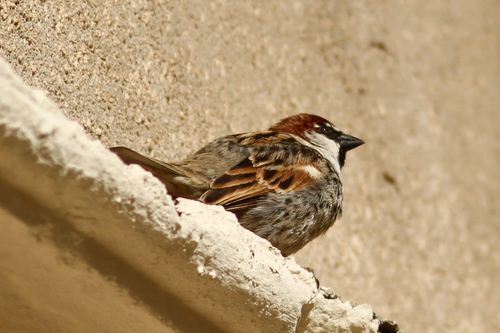 pardal-espanhol
Em resumo
A marca de campo mais confiável entre a felosinha-comum e o pardal-espanhol é a estrutura e plumagem geral: as felosinhas são pequenas, esbeltas, com plumagem verde-oliva e marrom, com asas curtas e arredondadas e pernas escuras, enquanto os pardais-espanhols são muito maiores, robustos e com padrões marcantes, com um bico mais pesado e (nos machos) uma coroa castanha e partes inferiores fortemente estriadas. Felosinhas juvenis e adultas nunca mostram as fortes estrias pretas ou a coroa castanha dos machos pardais-espanhols. Em voo, as felosinhas parecem atarracadas e com cauda curta, com um voo rápido e saltitante, enquanto os pardais são mais robustos e diretos. Mesmo à distância, o tamanho e a forma geralmente são suficientes para separá-los, mas cuidado com as fêmeas/juvenis de pardais-espanhols, que são mais apagados e podem ser confundidos com outros pequenos pássaros marrons. A voz e o habitat podem ajudar, mas concentre-se primeiro na estrutura e plumagem.
Dicas de identificação
- Tamanho e estrutura: Felosinhas são pequenas, esbeltas e atarracadas (10–12 cm, 6–8 g); pardais-espanhols são muito maiores e mais robustos (15–16 cm, 22–36 g). Use o tamanho como seu primeiro critério, especialmente se ambas as espécies estiverem presentes.
- Formato do bico: Felosinhas têm um bico fino e pontudo, adequado para comer insetos; pardais-espanhols têm um bico grosso e cônico para quebrar sementes. O formato do bico é óbvio a curta distância.
- Cor das pernas: Felosinhas têm pernas escuras, uma marca sutil, mas confiável em boa luz. Pardais-espanhols têm pernas claras a rosadas, mas isso é menos confiável à distância.
- Formato e projeção das asas: Felosinhas mostram asas curtas e arredondadas com projeção primária muito curta (as pontas das penas de voo mais longas mal se estendem além das tertiais quando empoleiradas). Pardais-espanhols têm asas mais longas e largas, mas isso é mais útil em comparação direta.
- Movimento da cauda: Felosinhas frequentemente mergulham e depois balançam a cauda para os lados—um comportamento único entre os warblers europeus. Pardais-espanhols não mostram essa ação da cauda.
- Plumagem—macho pardal-espanhol: Procure por uma coroa castanha, bochechas brancas e pesadas estrias pretas nas partes inferiores. Felosinhas nunca mostram essas características em qualquer idade ou estação.
- Plumagem—fêmea/juvenil pardal-espanhol: Mais apagadas, marrom-acinzentadas, com estrias sutis e um supercílios pálido. Ainda mais robustas e com marcas mais pesadas abaixo do que as felosinhas, que permanecem simples e verde-oliva acima, off-white abaixo.
- Plumagem—felosinha: Sempre verde-oliva acima, off-white ou amarelada abaixo, com um curto supercílios pálido e sem estrias fortes ou padrão facial. Juvenis são mais marrons acima, mas nunca estriados abaixo.
- Estrias nas partes inferiores: Pardais-espanhols (especialmente machos) têm estrias pretas marcantes no peito e flancos; felosinhas são simples ou levemente amareladas nos flancos, nunca estriadas.
- Cor da coroa: Apenas os machos pardais-espanhols têm uma coroa castanha; felosinhas têm uma coroa marrom ou verde simples.
- Habitat: Felosinhas são mais prováveis em áreas arborizadas ou arbustivas; pardais-espanhols em terras agrícolas abertas, campos ou ambientes urbanos, especialmente no Mediterrâneo.
- Tamanho do bando: Pardais-espanhols costumam estar em grandes bandos barulhentos; felosinhas são solitárias ou em pequenos grupos.
- Voz: A canção 'chiff-chaff' da felosinha e o chamado agudo 'hweet' são diagnósticos; os chamados do pardal-espanhol são semelhantes aos pardais, nunca semelhantes aos warblers.
- Estilo de voo: Felosinhas são fluttery, com voo saltitante; pardais são mais diretos e poderosos em voo.
- Armadilhas: Fêmeas/juvenis de pardais-espanhols podem parecer apagadas, mas são sempre mais robustas, com um bico mais grosso e mais estrias do que as felosinhas. Felosinhas nunca mostram estrias marcantes, coroa castanha ou comportamento semelhante a pardais.
Tamanho
A felosinha-comum é um pequeno warbler, com 10–12 cm de comprimento e pesando 6–8 g ([wikipedia]). O pardal-espanhol é muito maior e mais pesado, com 15–16 cm e 22–36 g ([wikipedia]). O pardal não é apenas mais longo, mas também visivelmente mais robusto e robusto, com um bico mais grosso. Mesmo à primeira vista, a felosinha parece delicada e pequena em comparação com o pardal robusto e de peito largo. Essa diferença de tamanho é óbvia em campo, a menos que os pássaros estejam muito distantes ou ocultos.
Plumagem
-
Pássaros juvenis/immaturos: Felosinhas juvenis são mais marrons acima e amareladas abaixo, mas nunca mostram estrias marcantes ou um padrão facial forte. Pardais-espanhols juvenis e fêmeas são marrons e estriados, com supercílios pálidos e algumas estrias nas laterais, mas novamente, o pardal é sempre mais robusto e com marcas mais pesadas abaixo do que qualquer felosinha.
-
Machos adultos: Pardais-espanhols machos são inconfundíveis com uma coroa castanha, bochechas brancas e pesadas estrias pretas nas partes inferiores. Felosinhas nunca mostram essas características; elas são simples, verde-oliva acima, off-white abaixo (às vezes amareladas nos flancos), com um curto supercílios pálido e pernas escuras.
-
Fêmeas adultas: Pardais-espanhols fêmeas são mais apagadas, com cor geral marrom-acinzentada e estrias sutis, mas ainda mais marcadas do que as felosinhas, e com um bico mais grosso. Felosinhas permanecem simples e carecem de qualquer estria forte ou tons castanhos.
-
Padrão das asas: Sem painéis de asas distintos ou marcas superiores ousadas em qualquer uma das espécies, mas felosinhas têm asas curtas e arredondadas e projeção primária curta, enquanto pardais têm asas mais longas e largas.
Comportamento
Felosinhas são pássaros ativos e inquietos, frequentemente balançando suas caudas para baixo e depois balançando-as para os lados—um comportamento diagnóstico para a espécie. Elas se movem através da folhagem, coletando insetos, e raramente vão ao chão por muito tempo. Pardais-espanhols são mais terrestres, frequentemente se alimentando no chão em bandos, movendo-se com um andar saltitante. Em voo, felosinhas parecem atarracadas e fluttery, com movimentos rápidos e saltitantes, enquanto pardais voam de forma mais direta e poderosa. Felosinhas geralmente são solitárias ou em pequenos grupos, enquanto pardais costumam estar em bandos maiores e barulhentos.
Habitat
Felosinhas se reproduzem em florestas abertas, especialmente com alguma vegetação rasteira, e frequentemente são encontradas em arbustos, parques e jardins durante a migração e inverno ([wikipedia]). Pardais-espanhols preferem terras agrícolas, florestas abertas e às vezes áreas urbanas, especialmente no Mediterrâneo e na Ásia central/sudoeste. No Mediterrâneo, pardais-espanhols são mais prováveis em áreas agrícolas ou abertas, enquanto felosinhas estão mais ligadas a árvores e arbustos. Sobreposição pode ocorrer na migração ou inverno, mas a preferência de habitat é uma pista útil.
Voz
Felosinhas têm uma canção 'chiff-chaff' distinta e repetitiva, e um chamado agudo 'hweet', que é menos disilábico do que os chamados de warblers semelhantes. Pardais-espanhols têm chilros altos, estridentes e disilábicos ('chweeng-chweeng'), e outros chamados semelhantes ao pardal, incluindo 'tschilp' e 'quer quer quer.' A canção da felosinha é diagnóstica se ouvida, mas cuidado, pois pardais-espanhols também são vocais e barulhentos, embora seus chamados sejam sempre semelhantes a pardais e nunca a warblers.