

Mosquitero Común vs Gorrión Moruno
Phylloscopus collybita frente a Passer hispaniolensis
Juega un quiz con Mosquitero Común y Gorrión Moruno
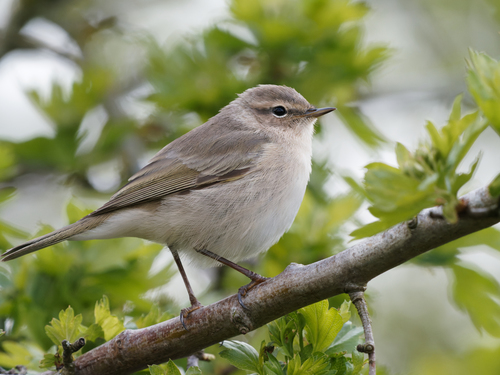 Mosquitero Común
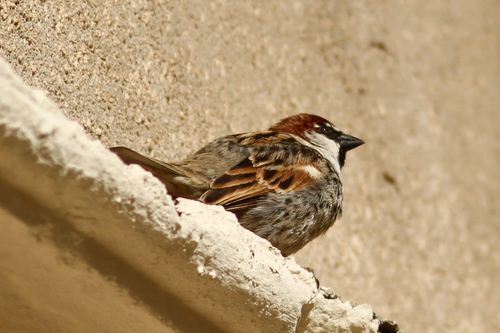 Gorrión Moruno
En breve
La marca de campo más confiable entre el Mosquitero Común y el Gorrión Moruno es la estructura y plumaje en general: los mosquiteros son pequeños, esbeltos, de color marrón verdoso, con alas cortas y redondeadas y patas oscuras, mientras que los gorriones morunos son mucho más grandes, robustos y con un patrón audaz, con un pico más pesado y (en los machos) una corona castaña y partes inferiores fuertemente estriadas. Los mosquiteros juveniles y adultos nunca muestran las fuertes estrías negras o la corona castaña de los machos de gorrión moruno. En vuelo, los mosquiteros parecen regordetes y de cola corta, con un vuelo rápido y saltarín, mientras que los gorriones son más robustos y directos. Incluso a distancia, el tamaño y la forma suelen ser suficientes para separarlos, pero cuidado con los gorriones morunos hembra/inmaduros, que son más apagados y podrían confundirse con otros pequeños pájaros marrones. La voz y el hábitat pueden ayudar, pero enfócate primero en la estructura y el plumaje.
Consejos de identificación
- Tamaño y estructura: Los mosquiteros son diminutos, esbeltos y regordetes (10–12 cm, 6–8 g); los gorriones morunos son mucho más grandes y robustos (15–16 cm, 22–36 g). Usa el tamaño como tu primera verificación, especialmente si ambas especies están presentes.
- Forma del pico: Los mosquiteros tienen un pico fino y puntiagudo adecuado para comer insectos; los gorriones morunos tienen un pico grueso y cónico para romper semillas. La forma del pico es obvia a corta distancia.
- Color de las patas: Los mosquiteros tienen patas oscuras, una marca sutil pero confiable en buena luz. Los gorriones morunos tienen patas pálidas a rosadas, pero esto es menos confiable a distancia.
- Forma y proyección de las alas: Los mosquiteros muestran alas cortas y redondeadas con una proyección primaria muy corta (las puntas de las plumas de vuelo más largas apenas se extienden más allá de las terciarias cuando están posados). Los gorriones morunos tienen alas más largas y anchas, pero esto es más útil en comparación directa.
- Movimiento de la cola: Los mosquiteros frecuentemente bajan y luego mueven su cola de lado, un comportamiento único entre los warblers europeos. Los gorriones morunos no muestran esta acción de la cola.
- Plumaje—gorrión moruno macho: Busca una corona castaña, mejillas blancas y fuertes estrías negras en las partes inferiores. Los mosquiteros nunca muestran estas características a ninguna edad o estación.
- Plumaje—gorrión moruno hembra/inmaduro: Más apagado, marrón grisáceo, con estrías sutiles y un supercilio pálido. Aún más robusto y con más marcas en la parte inferior que los mosquiteros, que permanecen simples y marrón verdoso por encima, blanco sucio por debajo.
- Plumaje—mosquitero: Siempre marrón verdoso por encima, blanco sucio o amarillento por debajo, con un corto supercilio pálido y sin estrías fuertes o patrón facial. Los juveniles son más marrones por encima, pero nunca estriados por debajo.
- Estrías en las partes inferiores: Los gorriones morunos (especialmente los machos) tienen fuertes estrías negras en el pecho y los flancos; los mosquiteros son simples o ligeramente amarillentos en los flancos, nunca estriados.
- Color de la corona: Solo los machos de gorrión moruno tienen una corona castaña; los mosquiteros tienen una corona marrón o verdosa simple.
- Hábitat: Los mosquiteros son más propensos a encontrarse en áreas boscosas o arbustivas; los gorriones morunos en tierras agrícolas abiertas, campos o entornos urbanos, especialmente en el Mediterráneo.
- Tamaño del grupo: Los gorriones morunos suelen estar en grandes bandadas ruidosas; los mosquiteros son solitarios o en pequeños grupos.
- Voz: La canción 'chiff-chaff' del mosquitero y el agudo llamado 'hweet' son diagnósticos; los llamados de los gorriones morunos son similares a los de los gorriones, nunca similares a los de los warblers.
- Estilo de vuelo: Los mosquiteros son voladores temblorosos, con un vuelo saltarín; los gorriones son más directos y potentes en vuelo.
- Trampas: Los gorriones morunos hembra/inmaduros pueden parecer apagados, pero siempre son más robustos, con un pico más grueso y más estrías que los mosquiteros. Los mosquiteros nunca muestran estrías audaces, corona castaña o comportamiento similar al de los gorriones.
Tamaño
El Mosquitero Común es un pequeño warbler, de 10–12 cm de longitud y un peso de 6–8 g ([wikipedia]). El Gorrión Moruno es mucho más grande y pesado, con 15–16 cm y 22–36 g ([wikipedia]). El gorrión no solo es más largo, sino también notablemente más robusto y robusto, con un pico más grueso. Incluso a simple vista, el mosquitero parece delicado y pequeño en comparación con el gorrión robusto y de pecho barril. Esta diferencia de tamaño es obvia en el campo, a menos que los pájaros estén muy distantes u ocultos.
Plumaje
-
Pájaros juveniles/inmaduros: Los mosquiteros juveniles son más marrones por encima y amarillentos por debajo, pero nunca muestran estrías audaces o un fuerte patrón facial. Los gorriones morunos juveniles y hembras son marrones y estriados, con un supercilio pálido y algunas estrías en los lados, pero nuevamente, el gorrión siempre es más robusto y tiene más marcas en la parte inferior que cualquier mosquitero.
-
Machos adultos: Los machos de gorrión moruno son inconfundibles con una corona castaña, mejillas blancas y fuertes estrías negras en las partes inferiores. Los mosquiteros nunca muestran estas características; son de un simple marrón verdoso por encima, blanco sucio por debajo (a veces amarillento en los flancos), con un corto supercilio pálido y patas oscuras.
-
Hembras adultas: Las hembras de gorrión moruno son más apagadas, con un color marrón grisáceo en general y estrías sutiles, pero aún más marcadas que los mosquiteros, y con un pico más grueso. Los mosquiteros permanecen simples y carecen de cualquier estría fuerte o tonos castaños.
-
Patrón de alas: No hay paneles de alas distintivos o marcas audaces en la parte superior de las alas en ninguna de las especies, pero los mosquiteros tienen alas cortas y redondeadas y una proyección primaria corta, mientras que los gorriones tienen alas más largas y anchas.
Comportamiento
Los mosquiteros son aves activas e inquietas, a menudo moviendo sus colas hacia abajo y luego de lado, un comportamiento diagnóstico para la especie. Se mueven a través del follaje, recogiendo insectos, y rara vez bajan al suelo por mucho tiempo. Los gorriones morunos son más terrestres, a menudo alimentándose en el suelo en bandadas, moviéndose con un andar saltarín. En vuelo, los mosquiteros parecen regordetes y temblorosos, con movimientos rápidos y saltarines, mientras que los gorriones vuelan de manera más directa y poderosa. Los mosquiteros suelen ser solitarios o en pequeños grupos, los gorriones a menudo en bandadas más grandes y ruidosas.
Hábitat
Los mosquiteros crían en bosques abiertos, especialmente con algo de maleza, y a menudo se encuentran en matorrales, parques y jardines durante la migración y el invierno ([wikipedia]). Los gorriones morunos prefieren tierras agrícolas, bosques abiertos y a veces áreas urbanas, especialmente en el Mediterráneo y Asia suroeste/central. En el Mediterráneo, los gorriones morunos son más propensos a encontrarse en áreas agrícolas o de campo abierto, mientras que los mosquiteros están más ligados a árboles y arbustos. Puede haber superposición durante la migración o el invierno, pero la preferencia de hábitat es una pista útil.
Voz
Los mosquiteros tienen una canción distintiva y repetitiva 'chiff-chaff', y un agudo llamado 'hweet', que es menos disilábico que los llamados de warblers similares. Los gorriones morunos tienen chirridos fuertes, estridentes y disilábicos ('chweeng-chweeng'), y otros llamados similares a los del Gorrión Común, incluyendo 'tschilp' y 'quer quer quer.' La canción del mosquitero es diagnóstica si se escucha, pero ten cuidado que los gorriones morunos también son vocales y ruidosos, aunque sus llamados son siempre similares a los de los gorriones y nunca a los de los warblers.