

Luì piccolo vs Passera sarda
Phylloscopus collybita contro Passer hispaniolensis
Fai un quiz con Luì piccolo e Passera sarda
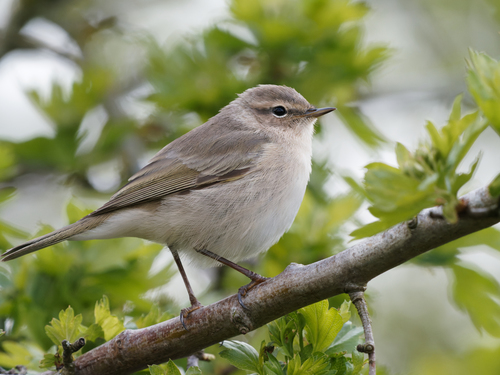 Luì piccolo
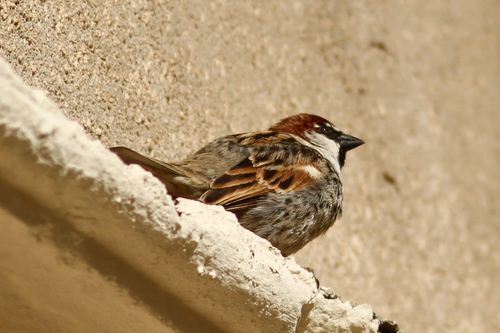 Passera sarda
In breve
Il segno di campo più affidabile tra Luì piccolo e Passera sarda è la struttura e il piumaggio complessivi: i luì sono piccoli, snelli, di colore verde-bruno, con ali corte e arrotondate e zampe scure, mentre le passerine sarde sono molto più grandi, tozze e con un piumaggio audace e ben definito, con un becco più pesante e (nei maschi) una corona castana e parti inferiori fortemente striate. I luì giovani e adulti non mostrano mai le forti striature nere o la corona castana dei maschi di Passera sarda. In volo, i luì appaiono tozzi e con la coda corta, con un volo rapido e saltellante, mentre le passerine sono più robuste e dirette. Anche a distanza, dimensioni e forma sono solitamente sufficienti per separarli, ma attenzione alle passerine sarde femmine/immature, che sono più opache e potrebbero essere confuse con altri piccoli uccelli bruni. La voce e l'habitat possono aiutare, ma concentrati prima su struttura e piumaggio.
Consigli di identificazione
- Dimensioni e struttura: I luì sono piccoli, snelli e tozzi (10–12 cm, 6–8 g); le passerine sarde sono molto più grandi e robuste (15–16 cm, 22–36 g). Usa le dimensioni come primo controllo, specialmente se entrambe le specie sono presenti.
- Forma del becco: I luì hanno un becco fine e appuntito adatto a mangiare insetti; le passerine sarde hanno un becco spesso e conico per rompere i semi. La forma del becco è evidente a distanza ravvicinata.
- Colore delle zampe: I luì hanno zampe scure, un segno sottile ma affidabile in buona luce. Le passerine sarde hanno zampe chiare o rosate, ma questo è meno affidabile a distanza.
- Forma e proiezione delle ali: I luì mostrano ali corte e arrotondate con una proiezione primaria molto corta (le punte delle piume di volo più lunghe si estendono appena oltre le terziali quando sono posati). Le passerine sarde hanno ali più lunghe e più larghe, ma questo è più utile in un confronto diretto.
- Movimento della coda: I luì spesso abbassano e poi muovono la coda lateralmente, un comportamento unico tra i warbler europei. Le passerine sarde non mostrano questa azione della coda.
- Piumaggio—maschio Passera sarda: Cerca una corona castana, guance bianche e pesanti striature nere sulle parti inferiori. I luì non mostrano mai queste caratteristiche a nessuna età o stagione.
- Piumaggio—femmina/immatura Passera sarda: Più opache, grigio-brune, con striature sottili e un supercilio chiaro. Ancora più robuste e con segni più evidenti sotto rispetto ai luì, che rimangono semplici e verde-bruni sopra, bianco sporco sotto.
- Piumaggio—luì: Sempre verde-bruno sopra, bianco sporco o giallastro sotto, con un breve supercilio chiaro e senza forti striature o pattern facciali. I giovani sono più bruni sopra, ma mai striati sotto.
- Striature delle parti inferiori: Le passerine sarde (soprattutto i maschi) hanno forti striature nere sul petto e sui fianchi; i luì sono semplici o leggermente giallastri sui fianchi, mai striati.
- Colore della corona: Solo i maschi di Passera sarda hanno una corona castana; i luì hanno una corona brunastra o verde.
- Habitat: I luì sono più probabili in aree boschive o cespugliose; le passerine sarde in terreni agricoli aperti, campi o ambienti urbani, specialmente nel Mediterraneo.
- Dimensione dei gruppi: Le passerine sarde sono spesso in grandi gruppi rumorosi; i luì sono solitari o in piccoli gruppi.
- Voce: Il canto del luì 'chiff-chaff' e il richiamo acuto 'hweet' sono diagnostici; i richiami delle passerine sarde sono simili a quelli delle passerelle, mai simili a quelli dei warbler.
- Stile di volo: I luì sono fluttuanti, con un volo saltellante; le passerine sono più dirette e potenti nel volo.
- Trappole: Le passerine sarde femmine/immature possono apparire opache, ma sono sempre più robuste, con un becco più spesso e più striature rispetto ai luì. I luì non mostrano mai forti striature, corona castana o comportamento simile a quello delle passerine.
Taglia
Il Luì piccolo è un piccolo warbler, lungo 10–12 cm e pesante 6–8 g ([wikipedia]). La Passera sarda è molto più grande e pesante, con 15–16 cm e 22–36 g ([wikipedia]). La passerina non è solo più lunga, ma anche visibilmente più tozza e robusta, con un becco più spesso. Anche a un primo sguardo, il luì appare delicato e minuto rispetto alla passerina tozza e dal petto a botte. Questa differenza di dimensioni è ovvia sul campo a meno che gli uccelli non siano molto distanti o oscurati.
Piumaggio
-
Uccelli giovani/immaturi: I luì giovani sono più bruni sopra e giallastri sotto, ma non mostrano mai forti striature o un forte pattern facciale. Le passerine sarde giovani e femmine sono brune e striate, con un supercilio chiaro e alcune striature sui lati, ma ancora una volta, la passerina è sempre più robusta e con segni più evidenti sotto rispetto a qualsiasi luì.
-
Maschi adulti: I maschi di Passera sarda sono inconfondibili con una corona castana, guance bianche e pesanti striature nere sulle parti inferiori. I luì non mostrano mai queste caratteristiche; sono semplici verde-bruni sopra, bianco sporco sotto (a volte giallastri sui fianchi), con un breve supercilio chiaro e zampe scure.
-
Femmine adulte: Le femmine di Passera sarda sono più opache, con un colore grigio-bruno generale e striature sottili, ma ancora più evidenti rispetto ai luì, e con un becco più spesso. I luì rimangono semplici e privi di forti striature o toni castani.
-
Pattern delle ali: Nessun pannello distintivo delle ali o segni audaci sulle ali superiori in nessuna delle due specie, ma i luì hanno ali corte e arrotondate e una breve proiezione primaria, mentre le passerine hanno ali più lunghe e più larghe.
Comportamento
I luì sono uccelli attivi e irrequieti, spesso muovendo le loro code verso il basso e poi lateralmente, un comportamento diagnostico per la specie. Si muovono attraverso il fogliame, raccogliendo insetti, e raramente scendono a terra per lungo tempo. Le passerine sarde sono più terrestri, spesso si nutrono a terra in gruppi, muovendosi con un passo saltellante. In volo, i luì appaiono tozzi e fluttuanti, con movimenti rapidi e saltellanti, mentre le passerine volano in modo più diretto e potente. I luì sono solitamente solitari o in piccoli gruppi, le passerine spesso in gruppi più grandi e rumorosi.
Habitat
I luì si riproducono in boschi aperti, specialmente con un po' di sottobosco, e si trovano spesso in cespugli, parchi e giardini durante la migrazione e l'inverno ([wikipedia]). Le passerine sarde preferiscono terreni agricoli, boschi aperti e talvolta aree urbane, specialmente nel Mediterraneo e nell'Asia sud-occidentale/centrale. Nel Mediterraneo, le passerine sarde sono più probabili in aree agricole o aperte, mentre i luì sono più legati a alberi e cespugli. Può verificarsi sovrapposizione durante la migrazione o l'inverno, ma la preferenza dell'habitat è un utile indizio.
Voce
I luì hanno un canto distintivo e ripetitivo 'chiff-chaff', e un richiamo acuto 'hweet', che è meno disillabico rispetto ai richiami di warbler simili. Le passerine sarde hanno cinguettii forti, stridenti e disillabici ('chweeng-chweeng'), e altri richiami simili a quelli della Passera oltremontana, inclusi 'tschilp' e 'quer quer quer.' Il canto del luì è diagnostico se udito, ma fai attenzione che le passerine sarde sono anche vocali e rumorose, anche se i loro richiami sono sempre simili a quelli delle passerine e mai simili a quelli dei warbler.