

tentilhão vs milheirinha-europeia
Fringilla coelebs versus Serinus serinus
Jogue um quiz com tentilhão e milheirinha-europeia
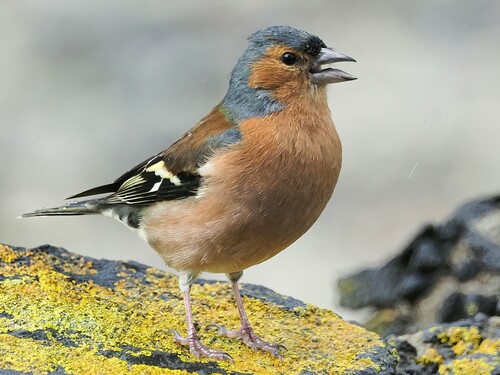 tentilhão
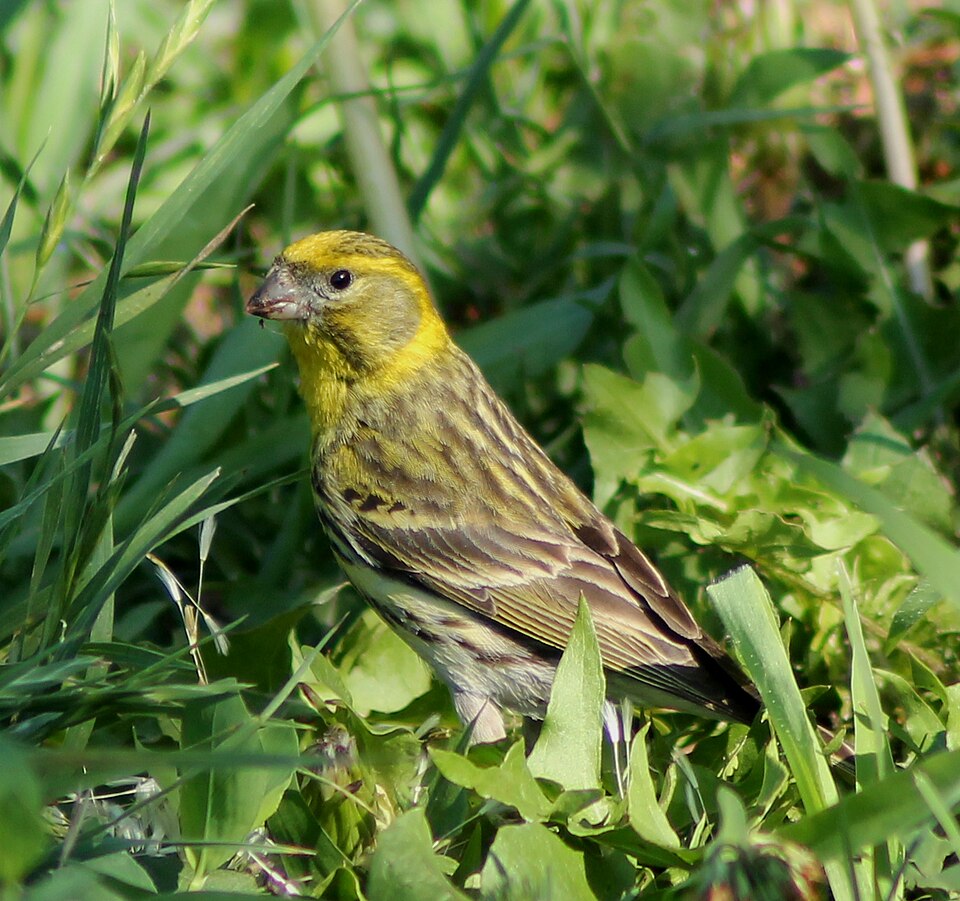 milheirinha-europeia
Em resumo
A marca de campo mais confiável para separar o tentilhão da milheirinha-europeia é a ousada faixa dupla branca nas asas e os lados da cauda brancos do tentilhão, que são óbvios em todas as idades e especialmente impressionantes em voo. A milheirinha-europeia é menor, com uma cauda mais curta e uma aparência muito mais estriada no geral, incluindo as partes inferiores. Os machos do tentilhão apresentam uma coroa azul-acinzentada e partes inferiores de um rico vermelho-ruço, enquanto os machos da milheirinha-europeia são amarelos brilhantes no rosto e no peito, com estrias pesadas. Fêmeas e juvenis de ambas as espécies são mais apagados, mas o tentilhão sempre exibe as fortes faixas nas asas e carece da aparência geral amarelada e estriada da milheirinha-europeia. Em voo ou empoleirado, o tentilhão parece maior, com cauda mais longa e mais robusto, enquanto a milheirinha-europeia é compacta e ativa.
Dicas de identificação
- Faixas brancas nas asas e lados da cauda (Tentilhão): Procure por duas faixas brancas ousadas nas asas e triângulos brancos nas penas da cauda externa em todas as idades e sexos do tentilhão. Estas são visíveis tanto empoleiradas quanto em voo e nunca são exibidas pela milheirinha-europea.
- Aparência amarelada e estriada (Milheirinha-europea): A milheirinha-europea de todas as idades é fortemente estriada nas partes superiores e inferiores, com um rabo amarelo e tons amarelados no rosto, peito e faixas das asas. O tentilhão nunca exibe essa aparência estriada e amarelada.
- Tamanho e estrutura: O tentilhão é maior, com cauda mais longa e mais robusto, com um bico forte e grosso. A milheirinha-europea é visivelmente menor, com cauda curta e uma construção mais delicada e compacta.
- Plumagem masculina: O macho do tentilhão tem uma coroa azul-acinzentada, testa preta e partes inferiores de um rico vermelho-ruço—único entre os tentilhões europeus. O macho da milheirinha-europea é amarelo brilhante no rosto e no peito, com estrias pesadas e acentos amarelos nas asas/cauda.
- Confusão entre fêmeas e juvenis: Fêmeas e juvenis do tentilhão são mais apagados, mas mantêm as faixas brancas nas asas e lados da cauda. A fêmea/juvenil da milheirinha-europea é estriada e amarelada, carecendo do padrão limpo de asas do tentilhão.
- Visões em voo: Em voo, o tentilhão exibe um forte padrão branco nas asas e cauda externa branca, enquanto a milheirinha-europea mostra faixas amareladas nas asas e lados da cauda, mas sem branco. A milheirinha-europea sempre parece mais estriada e amarelada.
- Formato do bico: O tentilhão tem um bico robusto e cônico; o bico da milheirinha-europea é mais fino e pontudo, refletindo seu tamanho menor.
- Comportamento: O tentilhão é frequentemente visto se alimentando no chão ou empoleirado de forma ereta, movendo-se com saltos deliberados. A milheirinha-europea é mais inquieta, frequentemente se movendo pela copa das árvores ou em galhos expostos, e forma bandos fora da temporada de reprodução.
- Contexto de habitat: Em florestas mediterrâneas ou abertas com coníferas, especialmente no sul da Europa, a milheirinha-europea é mais provável. Em florestas mistas ou de folhas largas mais ao norte, ou em jardins e terras agrícolas, o tentilhão é muito mais comum.
- Vocalizações: Se ouvido, o canto da milheirinha-europea é um trinado rápido e zumbido, ao contrário do canto mais melódico e estruturado do tentilhão.
- Cor do bico sazonal (Tentilhão): Na primavera, o bico do tentilhão torna-se azul-acinzentado com uma pequena ponta preta; no inverno, é cinza pálido. Isso é sutil, mas pode ajudar em vistas próximas.
- Cor do rabo: O tentilhão tem um rabo verde-oliva claro (macho) ou verde-oliva apagado (fêmea), enquanto o rabo da milheirinha-europeia é amarelo brilhante.
- Cor das partes inferiores: Os machos do tentilhão têm partes inferiores vermelho-ruço; a milheirinha-europea é sempre estriada embaixo, nunca de cor sólida.
- Mistura com outros tentilhões: A milheirinha-europea frequentemente se junta a bandos de espécies mistas no inverno, mas o tentilhão geralmente está em grupos de uma única espécie ou com outros tentilhões grandes.
- Armadilha: Não confie apenas em tons 'esverdeados' gerais—fêmeas do tentilhão podem parecer oliva, mas sempre verifique as ousadas faixas brancas nas asas e lados da cauda para confirmar.
Tamanho
O tentilhão é visivelmente maior e mais pesado (massa corporal ~22g) do que a milheirinha-europea, que é o menor tentilhão europeu. O tentilhão mede cerca de 14,5 cm de comprimento com uma envergadura de 24,5–28,5 cm, enquanto a milheirinha-europea tem apenas 11–12 cm de comprimento e é proporcionalmente muito mais leve. O tentilhão tem uma cauda mais longa e um corpo mais robusto e grosso, enquanto a milheirinha-europea é compacta e de cauda curta. Essa diferença de tamanho é aparente mesmo à distância, especialmente quando ambas as espécies são vistas juntas ou com outros tentilhões para escala.
Plumagem
- Pássaros juvenis/imaturos: Tanto o tentilhão juvenil quanto a fêmea/imatura da milheirinha-europea são mais apagados do que os machos adultos, mas os juvenis do tentilhão ainda mostram as fortes faixas brancas nas asas e lados da cauda, enquanto os juvenis da milheirinha-europea têm partes inferiores estriadas e um rabo amarelado, mas carecem de marcas ousadas nas asas.
- Adultos (macho): O macho do tentilhão é inconfundível com uma coroa azul-acinzentada, testa preta, partes inferiores vermelho-ruço e rabo verde-oliva. As asas têm duas faixas brancas contrastantes e um painel branco nas coberturas, com triângulos brancos nas penas da cauda externa. O macho da milheirinha-europea é amarelo brilhante no rosto e no peito, fortemente estriado nas partes superiores e flancos, com faixas amarelas nas asas e lados da cauda, mas carece do padrão branco de asas/cauda do tentilhão.
- Fêmeas: A fêmea do tentilhão é cinza-marrom apagado acima e mais clara abaixo, mas ainda mostra faixas brancas nas asas e lados da cauda. A fêmea da milheirinha-europea é estriada de verde-acinzentado acima, com um rabo amarelo e partes inferiores pálidas estriadas, e tem faixas amareladas, mas menos distintas.
- Visões em voo: O tentilhão de todas as idades mostra faixas brancas ousadas nas asas e cauda externa branca, enquanto a milheirinha-europea mostra faixas amareladas nas asas e lados da cauda, mas sem branco. A milheirinha-europea sempre aparece mais estriada e amarelada, nunca com o padrão limpo de asas do tentilhão.
Comportamento
O tentilhão é um tentilhão robusto que se alimenta no chão, frequentemente visto saltando no chão ou empoleirado de forma ereta em árvores. É menos inquieto do que a milheirinha-europea e pode parecer mais deliberado em seus movimentos. A milheirinha-europea é muito mais ativa e frequentemente conspícua, movendo-se pela floresta aberta ou áreas cultivadas, frequentemente empoleirando-se em galhos expostos e fazendo voos curtos e rápidos. Fora da temporada de reprodução, a milheirinha-europea frequentemente forma bandos, às vezes misturando-se com outros tentilhões. Em voo, o tentilhão parece forte e direto, enquanto a milheirinha-europea é rápida e saltitante, com um jeito mais agitado.
Habitat
O tentilhão é amplamente distribuído e comum em uma variedade de habitats, incluindo florestas, parques, jardins e terras agrícolas em grande parte da Europa. Não está particularmente ligado a coníferas ou áreas abertas. A milheirinha-europea prefere florestas abertas, especialmente com algumas coníferas, bem como áreas cultivadas e pomares, principalmente no sul e centro da Europa e no Norte da África. A milheirinha-europea é muito mais provável de ser encontrada em habitats do tipo mediterrâneo e é menos comum em áreas do norte ou densamente florestadas, onde o tentilhão é abundante.
Voz
O tentilhão tem uma canção variada e bem conhecida, mas as notas não fornecem detalhes aqui. O canto da milheirinha-europea é descrito como um trinado zumbido, que é muito familiar em países mediterrâneos. No campo, o canto da milheirinha-europea é uma rápida série de notas agudas e zumbidoras, bem diferente do canto mais estruturado e melódico do tentilhão. Chamadas não são descritas em detalhes, mas as vocalizações típicas da milheirinha-europea são mais agudas e mais sibilantes.