

tentilhão vs verdelhão
Fringilla coelebs versus Chloris chloris
Jogue um quiz com tentilhão e verdelhão
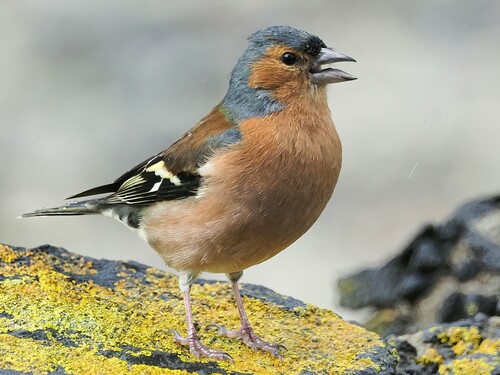 tentilhão
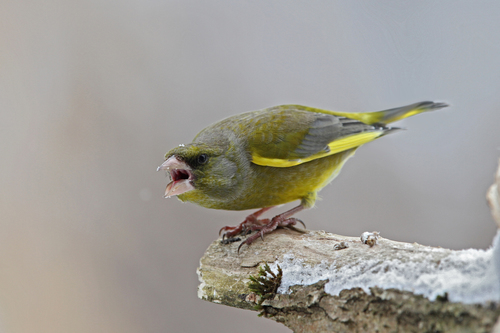 verdelhão
Em resumo
A marca de campo mais confiável entre o tentilhão e o verdelhão é a presença de barras brancas fortes nas asas e lados da cauda do tentilhão, visíveis em todas as idades e especialmente óbvias em voo, em comparação com os flashes amarelos do verdelhão nas asas e na cauda. Os machos do tentilhão são coloridos com um boné azul-acinzentado e partes inferiores avermelhadas, enquanto os verdelhões são principalmente esverdeados com amarelo nas asas e na cauda, e têm um bico mais grosso e cônico. Fêmeas e juvenis de ambas as espécies são mais apagados, mas o tentilhão sempre mostra as nítidas marcas brancas nas asas e na cauda, enquanto o verdelhão é, em geral, mais oliva ou acastanhado com destaques amarelos. A estrutura e a forma do bico também ajudam: o verdelhão é mais robusto com um bico notavelmente grosso, enquanto o tentilhão é mais esbelto e delicado. Ambas as espécies são comuns e podem ocorrer juntas, portanto, atenção cuidadosa ao padrão das asas e da cauda é essencial.
Dicas de identificação
- Barras brancas nas asas (tentilhão) vs flashes amarelos nas asas (verdelhão): O tentilhão de todas as idades e sexos mostra duas barras brancas nítidas nas asas e lados brancos na cauda, especialmente óbvios em voo ou quando empoleirados com as asas fechadas. O verdelhão nunca mostra branco nas asas ou na cauda, apenas amarelo.
- Forma do bico: O verdelhão tem um bico notavelmente grosso e cônico, claro em cor, dando uma aparência de cabeça robusta. O tentilhão tem um bico mais esbelto e pontudo, azul-acinzentado nos machos da primavera, mais claro no inverno.
- Plumagem masculina: Os machos do tentilhão têm um boné azul-acinzentado e nuca, testa preta, partes inferiores avermelhadas e rabo oliva. Os machos do verdelhão são verdes em geral com amarelo brilhante nas asas e na cauda, sem tons de azul ou vermelho.
- Plumagem feminina/juvenil: A fêmea e o juvenil do tentilhão são marrom-acinzentados por cima, mais claros por baixo, mas sempre com barras brancas nas asas e lados da cauda. A fêmea/juvenil do verdelhão é oliva-marrom apagada com amarelo nas asas e na cauda, sem branco.
- Padrão de voo: Em voo, o tentilhão mostra um forte flash branco nas asas e lados da cauda; o verdelhão mostra flashes amarelos, especialmente na base das primárias e na cauda, mas sem branco.
- Impressão geral de cor: O tentilhão é mais padronizado, com cores contrastantes e marcas brancas; o verdelhão é mais uniforme, esverdeado ou oliva, com destaques amarelos.
- Estrutura: O verdelhão parece mais robusto, com um peito mais profundo e cabeça maior, enquanto o tentilhão é mais esbelto e delicado.
- Cor das pernas: O tentilhão tem pernas marrom-acinzentadas; a cor das pernas do verdelhão não é especificada, mas não é uma marca de campo primária.
- Mudanças sazonais: Os machos do tentilhão são mais brilhantes na primavera após o desgaste das penas; no outono e inverno, a plumagem é mais apagada devido às franjas amarelas, mas as barras brancas nas asas permanecem visíveis. O amarelo do verdelhão é mais brilhante nos machos na primavera/verão, mais apagado nas fêmeas e juvenis.
- Empoleirado vs em voo: Ambas as espécies podem parecer semelhantes quando empoleiradas em luz fraca, mas as barras brancas do tentilhão e os lados da cauda são diagnósticos se vistos. Em voo, a diferença entre branco (tentilhão) e amarelo (verdelhão) nas asas/cauda é fundamental.
- Sobreposição de habitat: Ambas as espécies podem ser encontradas juntas em jardins, parques e bordas de florestas, portanto, não confie apenas na localização.
- Comportamento: O verdelhão pode parecer mais lento ou deliberado, às vezes realizando voos de exibição lentos e circulares. O tentilhão é mais ágil e ativo, frequentemente batendo as asas ou pulando.
- Voz: O canto do verdelhão inclui trilos ofegantes; o canto do tentilhão não é descrito aqui, então não confie no canto para separação com essas notas.
- Armadilhas: Fêmeas e juvenis do tentilhão às vezes são confundidos com verdelhões devido à sua cor apagada, mas sempre verifique as marcas brancas nas asas e na cauda. O verdelhão nunca mostra branco nas asas ou na cauda.
- Quando em dúvida: Concentre-se na presença ou ausência de branco nas asas e na cauda, e na forma do bico—essas são as marcas mais confiáveis em todas as estações e idades.
Tamanho
Ambas as espécies são semelhantes em comprimento (tentilhão ~14,5 cm, verdelhão ~15 cm) e envergadura (tentilhão 24,5–28,5 cm, verdelhão 24,5–27,5 cm) [wikipedia]. O tentilhão tem uma massa corporal média de 22 g [wikidata], enquanto a massa do verdelhão não é especificada aqui, mas é geralmente semelhante ou ligeiramente mais pesada. No campo, o verdelhão pode parecer mais robusto e robusto, especialmente ao redor do peito e do bico, enquanto o tentilhão é mais esbelto e com aparência mais ágil.
Plumagem
- Juvenil/Primeiro-inverno/Imaturo: Tanto o juvenil do tentilhão quanto o verdelhão são mais apagados do que os adultos, mas os juvenis do tentilhão ainda mostram as distintas barras brancas nas asas e lados da cauda, enquanto os juvenis do verdelhão são oliva-acastanhados com dicas amareladas, mas não têm branco forte nas asas ou na cauda. O amarelo do verdelhão está sempre presente na asa e na cauda, mesmo em aves jovens, mas menos vívido do que em adultos.
- Adulto macho: Os machos do tentilhão têm um boné azul-acinzentado, testa preta, partes inferiores avermelhadas e um rabo oliva claro, com duas barras brancas ousadas nas asas e penas externas da cauda brancas. Os machos do verdelhão são principalmente verdes com amarelo brilhante nas asas e na cauda, sem tons de azul-acinzentado ou vermelho, e têm um bico grosso e claro.
- Adulto fêmea: A fêmea do tentilhão é marrom-acinzentada apagada por cima e mais clara por baixo, mas ainda mostra as barras brancas nas asas e lados da cauda. A fêmea do verdelhão é mais apagada e acastanhada do que o macho, com menos amarelo, mas ainda algum amarelo nas asas e na cauda; o bico permanece grosso e cônico.
- Vistas de voo: O tentilhão mostra um impressionante flash branco nas asas e lados da cauda em todas as idades e sexos. O verdelhão mostra amarelo nas primárias e na cauda, mas sem branco; a impressão geral é esverdeada com flashes amarelos, não brancos.
Comportamento
Ambas as espécies são ativas e frequentemente vistas se alimentando no chão ou em árvores e arbustos. Os tentilhões são ágeis, frequentemente pulando ou batendo as asas, e podem ser vistos em bandos mistos, especialmente fora da temporada de reprodução. Os verdelhões são mais robustos e podem parecer mais lentos ou deliberados, frequentemente se alimentando em vegetação mais densa ou em comedouros. Em voo, os machos do verdelhão podem realizar um voo de exibição 'borboleta' com batidas lentas e circulares, o que não é mostrado pelo tentilhão.
Habitat
Ambas as espécies são amplamente distribuídas e podem ser encontradas em jardins, parques, bordas de florestas, cercas de terras agrícolas e campos abertos com árvores dispersas. O verdelhão prefere áreas com vegetação densa para nidificação, enquanto o tentilhão é mais adaptável e pode ser encontrado em uma gama mais ampla de habitats abertos e semi-abertos. Ambas podem ocorrer juntas, portanto, o habitat sozinho não é diagnóstico.
Voz
O canto do verdelhão é uma mistura de chilreios e trilos, com notas ofegantes distintas. O canto do tentilhão não é descrito nas notas, mas é geralmente uma série descendente de notas terminando em um floreio; no entanto, essa não é uma separação confiável com base nas informações fornecidas. Chamadas podem ser confundidas, então confie nas marcas visuais.