

Fringuello vs Verdone
Fringilla coelebs contro Chloris chloris
Fai un quiz con Fringuello e Verdone
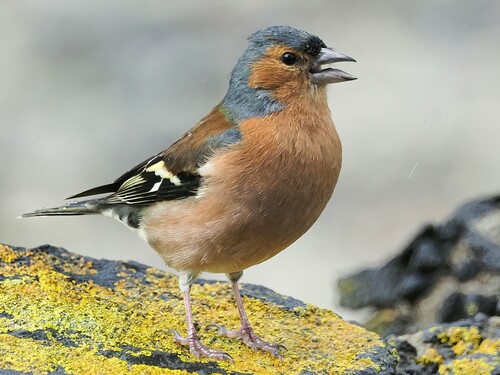 Fringuello
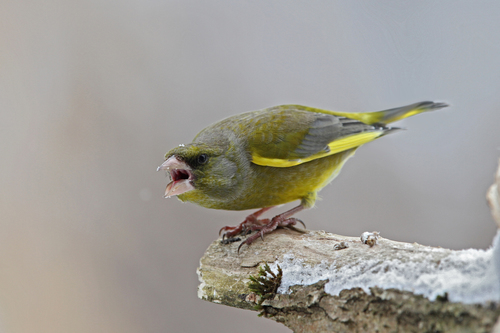 Verdone
In breve
Il segno distintivo più affidabile tra Fringuello e Verdone è la presenza di forti barre bianche sulle ali e lati bianchi della coda sul Fringuello, visibili in tutte le età e particolarmente evidenti in volo, rispetto ai lampi gialli del Verdone nelle ali e nella coda. I maschi di Fringuello sono colorati vivacemente con un cappello blu-grigio e parti inferiori rosso ruggine, mentre i Verdoni sono principalmente verdastri con giallo nelle ali e nella coda, e hanno un becco più spesso e conico. Le femmine e i giovani di entrambe le specie sono più opachi, ma il Fringuello mostra sempre le marcature bianche nette sulle ali e sulla coda, mentre il Verdone è complessivamente più olivastro o bruno con riflessi gialli. La struttura e la forma del becco aiutano anche: il Verdone è più massiccio con un becco notevolmente robusto, mentre il Fringuello è più snello e delicato. Entrambe le specie sono comuni e possono verificarsi insieme, quindi è essenziale prestare attenzione al modello delle ali e della coda.
Consigli di identificazione
- Barre bianche sulle ali (Fringuello) vs lampi gialli sulle ali (Verdone): Il Fringuello di tutte le età e sessi mostra due barre bianche nette sulle ali e lati bianchi della coda, particolarmente evidenti in volo o quando è appollaiato con le ali chiuse. Il Verdone non mostra mai bianco nelle ali o nella coda, solo giallo.
- Forma del becco: Il Verdone ha un becco notevolmente spesso e conico, di colore chiaro, che conferisce un aspetto massiccio. Il Fringuello ha un becco più snello e appuntito, blu-grigio nei maschi primaverili, più chiaro in inverno.
- Piumaggio maschile: I maschi di Fringuello hanno un cappello blu-grigio e nuca, fronte nera, parti inferiori rosso ruggine e groppone olivastro. I maschi di Verdone sono verdi nel complesso con giallo brillante nelle ali e nella coda, privi di toni blu o rossi.
- Piumaggio femminile/giovanile: Le femmine e i giovani di Fringuello sono grigio-bruni sopra, più chiari sotto, ma sempre con barre bianche sulle ali e lati della coda. Le femmine/giovanili di Verdone sono di un olivastro-bruno opaco con giallo nelle ali e nella coda, senza bianco.
- Schema di volo: In volo, il Fringuello mostra un forte lampo bianco nelle ali e lati della coda; il Verdone mostra lampi gialli, specialmente alla base delle primarie e nella coda, ma nessun bianco.
- Impressione di colore complessiva: Il Fringuello è più decorato, con colori contrastanti e segni bianchi; il Verdone è più uniforme verdastro o olivastro, con riflessi gialli.
- Struttura: Il Verdone appare più massiccio, con un torace più profondo e una testa più grande, mentre il Fringuello è più snello e delicato.
- Colore delle gambe: Il Fringuello ha gambe grigio-brune; il colore delle gambe del Verdone non è specificato ma non è un segno distintivo primario.
- Cambiamenti stagionali: I maschi di Fringuello sono più brillanti in primavera dopo l'usura delle piume; in autunno e inverno, il piumaggio è più opaco a causa delle frange color sabbia, ma le barre bianche sulle ali rimangono visibili. Il giallo del Verdone è più brillante nei maschi in primavera/estate, più opaco nelle femmine e nei giovani.
- Appollaiato vs in volo: Entrambe le specie possono sembrare simili quando sono appollaiate in scarsa luce, ma le barre bianche sulle ali e lati della coda del Fringuello sono diagnostiche se viste. In volo, la differenza tra bianco (Fringuello) e giallo (Verdone) nelle ali/coda è fondamentale.
- Sovrapposizione dell'habitat: Entrambe le specie possono essere trovate insieme in giardini, parchi e bordi boschivi, quindi non fare affidamento solo sulla posizione.
- Comportamento: Il Verdone può apparire più lento o deliberato, a volte eseguendo voli di esibizione lenti e ad anello. Il Fringuello è più agile e attivo, spesso sbattendo le ali o saltellando.
- Voce: Il canto del Verdone include trilli affannosi; il canto del Fringuello non è descritto qui, quindi non fare affidamento sul canto per la separazione con queste note.
- Trappole: Le femmine e i giovani di Fringuello sono talvolta scambiati per Verdoni a causa del loro colore opaco, ma controlla sempre le marcature bianche sulle ali e sulla coda. Il Verdone non mostra mai bianco nelle ali o nella coda.
- Quando hai dubbi: Concentrati sulla presenza o assenza di bianco nelle ali e nella coda, e sulla forma del becco: questi sono i segni più affidabili in tutte le stagioni e età.
Taglia
Entrambe le specie sono simili in lunghezza (Fringuello ~14,5 cm, Verdone ~15 cm) e apertura alare (Fringuello 24,5–28,5 cm, Verdone 24,5–27,5 cm) [wikipedia]. Il Fringuello ha una massa corporea media di 22 g [wikidata], mentre la massa del Verdone non è specificata qui ma è generalmente simile o leggermente più pesante. Sul campo, il Verdone può apparire più massiccio e robusto, specialmente attorno al torace e al becco, mentre il Fringuello è più snello e ha un aspetto più agile.
Piumaggio
- Giovanile/Primo inverno/Immaturi: Sia il giovanile Fringuello che il Verdone sono più opachi degli adulti, ma i giovani Fringuello mostrano ancora le distintive barre bianche sulle ali e lati della coda, mentre i giovani Verdoni sono di un olivastro-bruno con accenni giallastri ma mancano di un forte bianco nelle ali o nella coda. Il giallo del Verdone è sempre presente nell'ala e nella coda, anche nei giovani, ma meno vivido rispetto agli adulti.
- Maschio adulto: I maschi di Fringuello hanno un cappello blu-grigio, fronte nera, parti inferiori rosso ruggine e un groppone olivastro chiaro, con due barre bianche audaci sulle ali e piume esterne della coda bianche. I maschi di Verdone sono principalmente verdi con giallo brillante nelle ali e nella coda, privi di toni blu-grigi o rossi, e hanno un becco spesso e chiaro.
- Femmina adulta: La femmina di Fringuello è grigio-bruna opaca sopra e più chiara sotto, ma mostra ancora le barre bianche sulle ali e lati della coda. La femmina di Verdone è più opaca e bruna rispetto al maschio, con meno giallo ma ancora un po' di giallo nelle ali e nella coda; il becco rimane spesso e conico.
- Viste in volo: Il Fringuello mostra un lampo bianco sorprendente nelle ali e lati della coda in tutte le età e sessi. Il Verdone mostra giallo nelle primarie e nella coda, ma nessun bianco; l'impressione complessiva è verdastra con lampi gialli, non bianchi.
Comportamento
Entrambe le specie sono attive e spesso viste nutrirsi a terra o sugli alberi e arbusti. I Fringuelli sono agili, spesso saltellando o sbattendo le ali, e possono essere visti in stormi misti, specialmente al di fuori della stagione riproduttiva. I Verdoni sono più massicci e possono apparire più lenti o deliberati, spesso nutrendosi in vegetazione più fitta o ai mangiatoie. In volo, i maschi di Verdone possono eseguire un volo di esibizione 'farfalla' con battiti d'ali lenti e ad anello, che non è mostrato dal Fringuello.
Habitat
Entrambe le specie sono diffuse e possono essere trovate in giardini, parchi, bordi boschivi, siepi agricole e campagne aperte con alberi sparsi. Il Verdone preferisce aree con vegetazione fitta per nidificare, mentre il Fringuello è più adattabile e può essere trovato in una gamma più ampia di habitat aperti e semi-aperti. Entrambi possono verificarsi insieme, quindi l'habitat da solo non è diagnostico.
Voce
Il canto del Verdone è un mix di cinguettii e trilli, con note affannose distintive. Il canto del Fringuello non è descritto nelle note, ma è generalmente una serie discendente di note che termina in un abbellimento; tuttavia, questa non è una separazione affidabile basata sulle informazioni fornite. Le chiamate possono essere confuse, quindi fare affidamento sui segni visivi.