

Motmot

ズアオアトリ 対 アオカワラヒワ

Fringilla coelebs 対 Chloris chloris

ズアオアトリとアオカワラヒワのクイズ
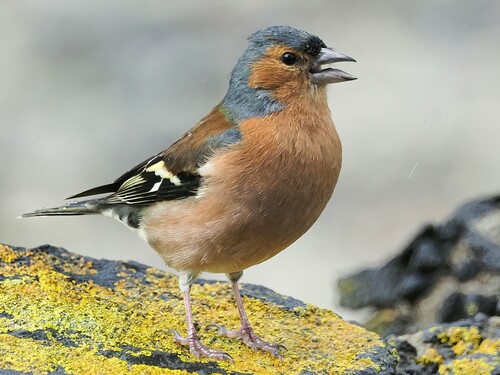
ズアオアトリ (Fringilla coelebs) ズアオアトリ
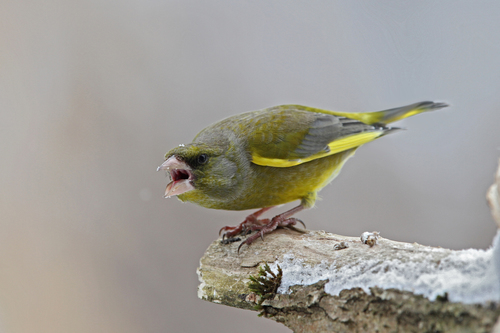
アオカワラヒワ (Chloris chloris) アオカワラヒワ

メディア

読み込み中…

要点

ズアオアトリとアオカワラヒワの最も信頼できるフィールドマークは、ズアオアトリに見られる強い白い翼のバーと白い尾の側面の存在であり、すべての年齢で確認でき、特に飛行中に明らかです。一方、アオカワラヒワは翼と尾に黄色のフラッシュがあります。ズアオアトリのオスは青灰色の帽子と錆色の腹部を持ち、アオカワラヒワは主に緑がかった色で、翼と尾に黄色があり、より太く円錐形のくちばしを持っています。両種の雌と幼鳥はより地味ですが、ズアオアトリは常に鮮明な白い翼と尾のマーキングを示し、アオカワラヒワは全体的にオリーブ色または茶色がかっており、黄色のハイライトがあります。構造とくちばしの形も役立ちます:アオカワラヒワはよりずんぐりしており、明らかに頑丈なくちばしを持っていますが、ズアオアトリはよりスリムで繊細です。両種は一般的で、一緒に見られることがあるため、翼と尾のパターンに注意を払うことが重要です。

識別のコツ

  1. 白い翼のバー(ズアオアトリ)対黄色の翼のフラッシュ(アオカワラヒワ): すべての年齢と性別のズアオアトリは、特に飛行中や翼を閉じて止まっているときに明らかに見える2つの鮮明な白い翼のバーと白い尾の側面を示します。アオカワラヒワは翼や尾に白を示すことはなく、黄色のみです。
  2. くちばしの形: アオカワラヒワは明らかに太く円錐形のくちばしを持ち、色は淡いです。ズアオアトリはスリムでより尖ったくちばしを持ち、春のオスは青灰色で、冬はより淡いです。
  3. オスの羽色: ズアオアトリのオスは青灰色の帽子と後頭部、黒い額、錆色の腹部、オリーブ色の尾を持っています。アオカワラヒワのオスは全体的に緑で、翼と尾に明るい黄色があり、青や赤の色調はありません。
  4. 雌/幼鳥の羽色: ズアオアトリの雌と幼鳥は上面が灰褐色で、下面はより淡いですが、常に白い翼のバーと尾の側面を示します。雌/幼鳥のアオカワラヒワは地味なオリーブ褐色で、翼と尾に黄色がありますが、白はありません。
  5. 飛行パターン: 飛行中、ズアオアトリは翼と尾の側面に強い白いフラッシュを示します。アオカワラヒワは黄色のフラッシュを示し、特に一次羽の基部と尾に見られますが、白はありません。
  6. 全体的な色の印象: ズアオアトリはよりパターンがあり、対照的な色と白いマークがあります。アオカワラヒワはより均一な緑がかった色またはオリーブ色で、黄色のハイライトがあります。
  7. 構造: アオカワラヒワはよりずんぐりしており、胸が深く、頭が大きいように見えますが、ズアオアトリはスリムでより繊細です。
  8. 足の色: ズアオアトリは灰褐色の足を持っています。アオカワラヒワの足の色は指定されていませんが、主要なフィールドマークではありません。
  9. 季節的変化: ズアオアトリのオスは羽毛の摩耗後、春に最も明るくなります。秋と冬には羽毛が淡くなりますが、白い翼のバーは見えます。アオカワラヒワの黄色は春/夏のオスが最も明るく、雌と幼鳥はより淡いです。
  10. 止まっている時と飛行中: 両種は薄暗い光の中で止まっているときに似て見えることがありますが、ズアオアトリの白い翼のバーと尾の側面は見られた場合に診断的です。飛行中、翼/尾の白(ズアオアトリ)と黄色(アオカワラヒワ)の違いが重要です。
  11. 生息地の重複: 両種は庭、公園、森林の端で一緒に見られることがあるため、場所だけに頼らないでください。
  12. 行動: アオカワラヒワはより鈍く見えることがあり、時には遅く、ループ状のディスプレイ飛行を行うことがあります。ズアオアトリはより敏捷で活発で、しばしば翼をひらひらさせたり、跳ねたりします。
  13. 声: アオカワラヒワの歌には喘ぎ声のトリルが含まれています。ズアオアトリの歌はここでは説明されていないため、これらのメモでの分離に歌に頼らないでください。
  14. 落とし穴: ズアオアトリの雌と幼鳥はその地味な色のためにアオカワラヒワと間違われることがありますが、常に白い翼と尾のマーキングを確認してください。アオカワラヒワは翼や尾に白を示すことはありません。
  15. 疑わしい場合: 翼と尾の白の有無、くちばしの形に焦点を当ててください。これらはすべての季節と年齢で最も信頼できるマークです。

大きさ

両種は長さ(ズアオアトリ約14.5 cm、アオカワラヒワ約15 cm)と翼幅(ズアオアトリ24.5–28.5 cm、アオカワラヒワ24.5–27.5 cm)で似ています [wikipedia]。ズアオアトリの平均体重は22 g [wikidata]ですが、アオカワラヒワの体重はここでは指定されていませんが、一般的に似ているかやや重いです。フィールドでは、アオカワラヒワは特に胸やくちばしの周りでずんぐりしており、より頑丈に見えることがありますが、ズアオアトリはスリムでより敏捷に見えます。

羽色

行動

両種は活発で、しばしば地面や木や低木で餌を食べているのが見られます。ズアオアトリは敏捷で、しばしば跳ねたり翼をひらひらさせたりし、繁殖期以外は混合群れで見られることがあります。アオカワラヒワはずんぐりしており、より鈍く見えることがあり、しばしばより厚い植生や餌台で餌を食べます。飛行中、アオカワラヒワのオスは遅く、ループ状の翼の動きで「蝶」のディスプレイ飛行を行うことがありますが、ズアオアトリはこれを示しません。

生息環境

両種は広く分布しており、庭、公園、森林の端、農地の生け垣、散在する木々のある開けた国で見られます。アオカワラヒワは巣作りのために厚い植生のある地域を好みますが、ズアオアトリはより適応性があり、より広範囲の開けたおよび半開けた生息地で見られることがあります。両種は一緒に見られることがあるため、生息地だけでは診断的ではありません。

声

アオカワラヒワの歌はツイッター音とトリルの混合で、特徴的な喘ぎ声の音があります。ズアオアトリの歌はメモに記載されていませんが、一般的にフラリと終わる下降する音のシリーズです。ただし、これは提供された情報に基づく信頼できる分離ではありません。呼び声は混同される可能性があるため、視覚的なマークに頼ってください。

より良い説明を送る

比較と同じ項目を使ってください。文章はすぐに公開されます。

The most reliable field mark between Common Chaffinch and European Greenfinch is the presence of strong white wing bars and white tail sides on the Chaffinch, visible in all ages and especially obvious in flight, versus the Greenfinch’s yellow flashes in the wings and tail. Chaffinch males are brightly colored with a blue-grey cap and rust-red underparts, while Greenfinches are mainly greenish with yellow in the wings and tail, and have a thicker, more conical bill. Females and juveniles of both species are duller, but the Chaffinch always shows the crisp white wing and tail markings, while the Greenfinch is overall more olive or brownish with yellow highlights. Structure and bill shape also help: Greenfinch is chunkier with a noticeably stout bill, while Chaffinch is slimmer and more delicate. Both species are common and can occur together, so careful attention to wing and tail pattern is essential.

  1. White wing bars (Chaffinch) vs yellow wing flashes (Greenfinch): Chaffinch of all ages and sexes shows two crisp white wing bars and white sides to the tail, especially obvious in flight or when perched with wings closed. Greenfinch never shows white in the wings or tail, only yellow.
  2. Bill shape: Greenfinch has a noticeably thick, conical bill, pale in color, giving a chunky-headed look. Chaffinch has a slimmer, more pointed bill, bluish-grey in spring males, paler in winter.
  3. Male plumage: Chaffinch males have a blue-grey cap and nape, black forehead, rust-red underparts, and olive rump. Greenfinch males are green overall with bright yellow in the wings and tail, lacking any blue or red tones.
  4. Female/juvenile plumage: Female and juvenile Chaffinch are grey-brown above, paler below, but always with white wing bars and tail sides. Female/juvenile Greenfinch is dull olive-brown with yellow in the wings and tail, no white.
  5. Flight pattern: In flight, Chaffinch shows a strong white flash in the wings and tail sides; Greenfinch shows yellow flashes, especially at the base of the primaries and in the tail, but no white.
  6. Overall color impression: Chaffinch is more patterned, with contrasting colors and white marks; Greenfinch is more uniform greenish or olive, with yellow highlights.
  7. Structure: Greenfinch appears bulkier, with a deeper chest and larger head, while Chaffinch is slimmer and more delicate.
  8. Leg color: Chaffinch has grey-brown legs; Greenfinch leg color is not specified but is not a primary field mark.
  9. Seasonal changes: Chaffinch males are brightest in spring after feather wear; in autumn and winter, the plumage is duller due to buff fringes, but white wing bars remain visible. Greenfinch yellow is brightest in males in spring/summer, duller in females and juveniles.
  10. Perched vs in flight: Both species can look similar when perched in poor light, but the Chaffinch’s white wing bars and tail sides are diagnostic if seen. In flight, the difference between white (Chaffinch) and yellow (Greenfinch) in the wings/tail is key.
  11. Habitat overlap: Both species can be found together in gardens, parks, and woodland edges, so do not rely on location alone.
  12. Behavior: Greenfinch may appear more sluggish or deliberate, sometimes performing slow, looping display flights. Chaffinch is more agile and active, often flicking wings or hopping.
  13. Voice: Greenfinch song includes wheezing trills; Chaffinch song is not described here, so do not rely on song for separation with these notes.
  14. Pitfalls: Female and juvenile Chaffinches are sometimes mistaken for Greenfinches due to their dull color, but always check for the white wing and tail markings. Greenfinch never shows white in the wings or tail.
  15. When in doubt: Focus on the presence or absence of white in the wings and tail, and the bill shape—these are the most reliable marks in all seasons and ages.

Both species are similar in length (Chaffinch ~14.5 cm, Greenfinch ~15 cm) and wingspan (Chaffinch 24.5–28.5 cm, Greenfinch 24.5–27.5 cm) [wikipedia]. Chaffinch has an average body mass of 22 g [wikidata], while Greenfinch mass is not specified here but is generally similar or slightly heavier. In the field, Greenfinch may appear bulkier and more robust, especially around the chest and bill, while Chaffinch is slimmer and more agile-looking.

  • Juvenile/First-winter/Immature: Both juvenile Chaffinch and Greenfinch are duller than adults, but Chaffinch juveniles still show the distinctive white wing bars and tail sides, while Greenfinch juveniles are brownish-olive with yellowish hints but lack strong white in the wings or tail. The Greenfinch’s yellow is always present in the wing and tail, even in young birds, but less vivid than in adults.
  • Adult male: Chaffinch males have a blue-grey cap, black forehead, rust-red underparts, and a light olive rump, with two bold white wing bars and white outer tail feathers. Greenfinch males are mainly green with bright yellow in the wings and tail, lacking any blue-grey or red tones, and have a thick, pale bill.
  • Adult female: Female Chaffinch is dull grey-brown above and paler below, but still shows the white wing bars and tail sides. Female Greenfinch is duller and browner than the male, with less yellow but still some yellow in the wings and tail; the bill remains thick and conical.
  • Flight views: Chaffinch shows a striking white flash in the wings and tail sides in all ages and sexes. Greenfinch shows yellow in the primaries and tail, but no white; the overall impression is greenish with yellow flashes, not white.

Both species are active and often seen feeding on the ground or in trees and shrubs. Chaffinches are agile, often hopping or flicking their wings, and may be seen in mixed flocks, especially outside the breeding season. Greenfinches are chunkier and may appear more sluggish or deliberate, often feeding in thicker vegetation or at feeders. In flight, Greenfinch males may perform a 'butterfly' display flight with slow, looping wingbeats, which is not shown by Chaffinch.

Both species are widespread and can be found in gardens, parks, woodland edges, farmland hedges, and open country with scattered trees. Greenfinch prefers areas with thick vegetation for nesting, while Chaffinch is more adaptable and may be found in a wider range of open and semi-open habitats. Both can occur together, so habitat alone is not diagnostic.

Greenfinch song is a mix of twittering and trilling, with distinctive wheezing notes. Chaffinch song is not described in the notes, but is generally a descending series of notes ending in a flourish; however, this is not a reliable separation based on the provided information. Calls may be confused, so rely on visual marks.

変更を破棄しますか?

保存していない編集があります。今離れると失われます。

ズアオアトリ · アオカワラヒワ · 苦手な鳥