

alvéola-citrina vs petinha-de-richard
Motacilla citreola versus Anthus richardi
Jogue um quiz com alvéola-citrina e petinha-de-richard
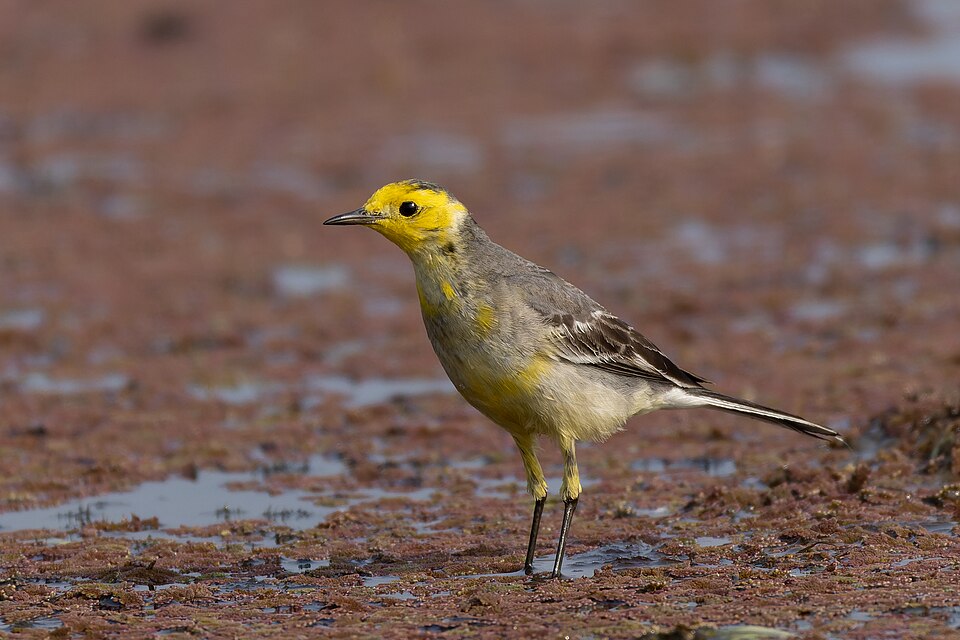 alvéola-citrina
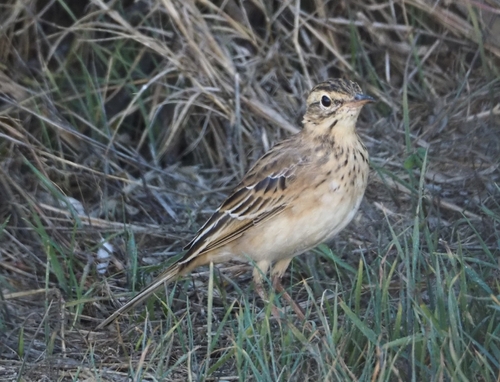 petinha-de-richard
Em resumo
A marca de campo mais confiável entre alvéola-citrina e petinha-de-richard é a parte inferior e a cabeça brilhantemente amarelas da alvéola (especialmente em machos em reprodução), em comparação com a aparência muito mais opaca e listrada em marrom e buff da petinha. Alvéolas-citrinas juvenis e de inverno podem parecer mais pálidas e menos amarelas, mas ainda mostram um padrão facial e corporal mais contrastante do que a petinha. Estruturalmente, a petinha-de-richard é maior, fica mais ereta e tem uma garra traseira mais longa e reta e um bico mais pesado. Em voo, a alvéola-citrina mostra mais branco nas asas e na cauda, enquanto a petinha-de-richard parece mais simples e marrons. Ambas as espécies podem ser encontradas em áreas abertas, mas as alvéolas são mais propensas a estar perto da água e as petinhas em pastagens mais secas.
Dicas de identificação
- Coloração amarela: Qualquer amarelo brilhante na parte inferior ou na cabeça favorece fortemente a alvéola-citrina (especialmente machos adultos em plumagem de reprodução). A petinha-de-richard nunca é amarela, sempre marrom e buff.
- Padrão facial: Ambas podem mostrar um supercílios pálido, mas a alvéola-citrina em todas as plumagens tem um rosto mais limpo e menos listrado, muitas vezes com tons amarelados. A petinha-de-richard tem um rosto mais complexo: lores e supercílios pálidos, mas também uma forte faixa ocular escura, listras bigode e malar.
- Listras no peito e flancos: A petinha-de-richard tem listras escuras no peito (às vezes se estendendo para os flancos), mas a barriga e os flancos inferiores são lisos. A alvéola-citrina geralmente não tem listras abaixo, especialmente em adultos, mas juvenis e fêmeas podem mostrar algumas manchas fracas.
- Partes superiores: A alvéola-citrina é cinza ou preta acima (machos em reprodução) ou acastanhada (fêmeas/imaturos), mas sempre com uma aparência mais limpa e menos listrada do que a petinha. A petinha-de-richard é listrada em marrom acima em todas as idades.
- Padrão das asas: Em voo, a alvéola-citrina mostra branco nas remiges e na cauda; a petinha-de-richard tem contraste de asa menos óbvio, com duas faixas de asa pálidas e branco apenas nas penas externas da cauda. Alvéolas juvenis/primeiro inverno podem mostrar menos contraste, mas ainda mais do que a petinha.
- Forma e comportamento da cauda: A cauda da alvéola é longa e constantemente balançada; a cauda da petinha também é longa, mas menos movimentada.
- Pernas e postura: A petinha-de-richard tem pernas longas, amarelo-marrons e fica muito ereta. A alvéola-citrina é mais horizontal e tem pernas mais curtas.
- Bico: O bico da petinha é mais longo, mais pesado e tem uma base amarelada na mandíbula inferior. O bico da alvéola é mais fino e mais pontudo.
- Garra traseira: A garra traseira da petinha é longa e bastante reta, uma marca sutil, mas útil se vista bem; a da alvéola é mais curta e menos reta.
- Tamanho: A petinha-de-richard é maior e mais robusta, com uma cauda e envergadura de asas mais longas. A alvéola é menor e mais delicada.
- Estilo de voo: O voo da petinha é forte e ondulante; o da alvéola é mais flutuante e direto.
- Habitat: Alvéola perto da água ou em prados úmidos; petinha em pastagens mais secas ou campos cultivados.
- Voz: Um chamado alto e áspero "shreep" é diagnóstico para a petinha-de-richard. Os chamados da alvéola não são descritos aqui.
- Variação sazonal: A alvéola-citrina é mais brilhante na primavera/verão (machos em reprodução); no inverno, ambos os sexos e imaturos são mais pálidos e menos amarelos, mas ainda mais limpos e menos listrados do que a petinha.
- Armadilhas: Alvéolas juvenis e fêmeas podem ser surpreendentemente pálidas e acastanhadas, mas ainda assim carecem da forte listragem e complexidade facial da petinha. Sempre verifique os tons amarelos e o contraste geral.
Tamanho
A petinha-de-richard é visivelmente maior: 17–20 cm de comprimento com uma envergadura de 29–33 cm e um peso de 25–36 g [wikipedia]. A alvéola-citrina é menor e mais delicada, com 15,5–17 cm de comprimento [wikipedia]. As pernas, cauda e bico mais longos da petinha, bem como sua postura ereta, fazem com que ela pareça mais esguia e robusta em campo. A alvéola é mais esbelta e com pernas mais curtas, com um bico mais fino.
Plumagem
- Pássaros juvenis/primeiro inverno: Alvéolas-citrinas juvenis e fêmeas em plumagem não reprodutiva são mais pálidas abaixo, com supercílios amarelados e menos amarelo extenso na parte inferior e na cabeça. Mesmo assim, elas mantêm uma aparência mais limpa e contrastante do que a petinha-de-richard, que é sempre listrada em marrom acima e pálida abaixo com um forte padrão facial (supercílios pálidos, faixa ocular escura, listras bigode e malar).
- Adultos em plumagem de reprodução: Machos de alvéola-citrina são inconfundíveis com partes inferiores e cabeça brilhantemente amarelas (exceto nuca preta), partes superiores cinzas ou pretas, e branco nas asas. A petinha-de-richard nunca mostra amarelo: é marrom acima com listras escuras, pálida abaixo com listras no peito, e barriga/flancos lisos. O rosto da petinha é fortemente marcado, mas nunca amarelo.
- Em voo: A alvéola-citrina mostra branco nas remiges e na cauda, muitas vezes mais óbvio do que as penas externas brancas da cauda da petinha. As faixas de asa da petinha-de-richard (pontas pálidas para as coberturas) são sutis e sua parte superior da asa é geralmente marrom lisa com menos contraste. Ambas têm branco na cauda, mas a da alvéola é mais extensa e a cauda é mais ativamente balançada.
Comportamento
A alvéola-citrina está constantemente balançando sua cauda e se move com uma marcha mais horizontal e ativa. Ela frequentemente forrageia perto da água ou em prados úmidos. A petinha-de-richard fica muito ereta, anda ou corre de maneira mais majestosa e é menos propensa a balançar a cauda. Em voo, o voo forte e ondulante da petinha é distinto em comparação com o voo mais flutuante e direto da alvéola. As alvéolas são frequentemente vistas sozinhas ou em bandos soltos, enquanto as petinhas podem ser solitárias ou em pequenos grupos.
Habitat
A alvéola-citrina se reproduz em prados úmidos e tundra, e inverna em zonas úmidas de montanha ou perto da água no Sul da Ásia. Ela raramente é encontrada longe da água, mesmo como um vagante. A petinha-de-richard prefere pastagens abertas, estepes e campos cultivados, especialmente áreas planas de baixa altitude, e está menos ligada à água. Na Europa, as petinhas são mais frequentemente vistas em promontórios e ilhas durante a migração. Ambas podem ocorrer em habitats abertos semelhantes como vagantes, mas as alvéolas são mais propensas a estar em bordas úmidas, enquanto as petinhas estão em expansões secas e gramadas.
Voz
A petinha-de-richard emite um chamado alto e explosivo "shreep", que lembra o de um pardal-da-casa, mas é mais áspero e penetrante. Sua canção é uma série de notas monótonas e zumbidoras entregues em voo ondulante. Os chamados e canções da alvéola-citrina não são descritos nas notas fornecidas, então a voz é mais útil para confirmar a petinha-de-richard se o "shreep" for ouvido.