

Cutrettola testagialla orientale vs Calandro maggiore
Motacilla citreola contro Anthus richardi
Fai un quiz con Cutrettola testagialla orientale e Calandro maggiore
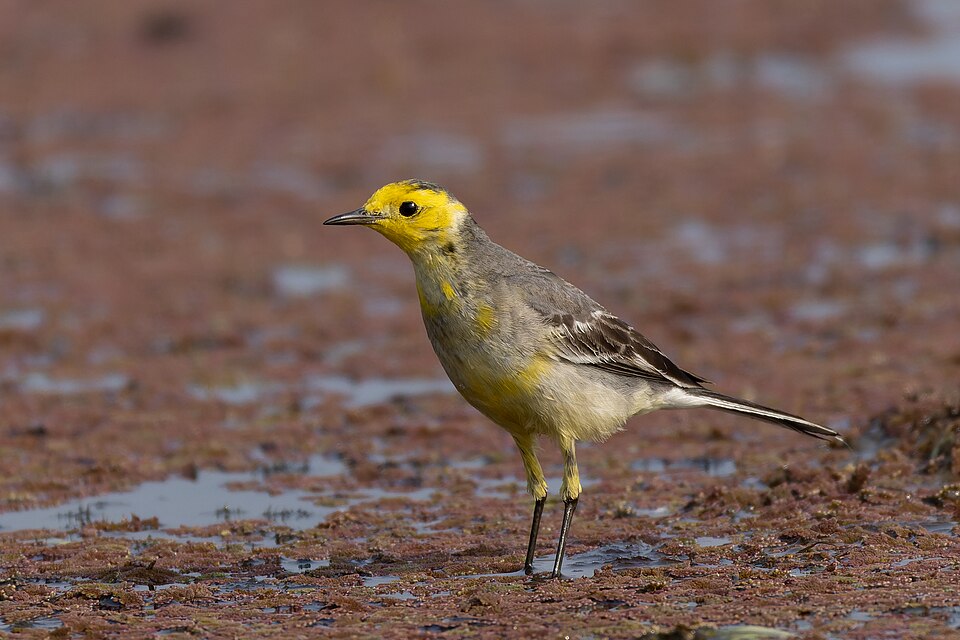 Cutrettola testagialla orientale
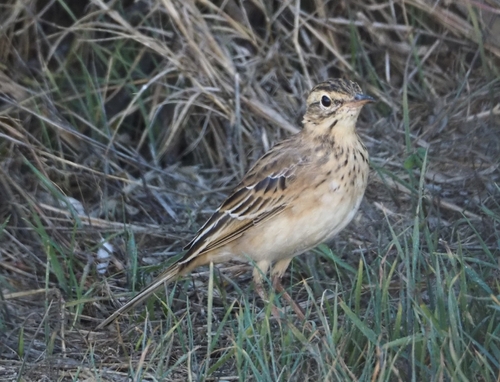 Calandro maggiore
In breve
Il segno distintivo più affidabile tra la Cutrettola testagialla orientale e il Calandro maggiore è il ventre e la testa gialli brillanti della cutrettola (soprattutto nei maschi in fase di riproduzione), rispetto all'aspetto molto più opaco e striato in marrone e buff del calandro. Le cutrettole testagialla orientali juvenile e invernali possono apparire più chiare e meno gialle, ma mostrano comunque un pattern facciale e corporeo più contrastante rispetto al calandro. Strutturalmente, il Calandro maggiore è più grande, sta più eretto e ha un artiglio posteriore più lungo e dritto e un becco più pesante. In volo, la Cutrettola testagialla orientale mostra più bianco nelle ali e nella coda, mentre il Calandro maggiore appare più semplice e marrone. Entrambe le specie possono essere trovate in campi aperti, ma le cutrettole sono più probabili vicino all'acqua e i calandri in praterie più secche.
Consigli di identificazione
- Colorazione gialla: Qualsiasi giallo brillante sul ventre o sulla testa favorisce fortemente la Cutrettola testagialla orientale (soprattutto i maschi adulti in fase di riproduzione). Il Calandro maggiore non è mai giallo, è sempre marrone e buff.
- Pattern facciale: Entrambi possono mostrare un supercilium pallido, ma la Cutrettola testagialla orientale in tutte le piumature ha un volto più pulito e meno striato, spesso con toni giallastri. Il Calandro maggiore ha un volto più complesso: lore pallidi e supercilium, ma anche una forte striscia scura sugli occhi, strisce moustachiali e malari.
- Striature sul petto e sui fianchi: Il Calandro maggiore ha striature scure sul petto (a volte estendendosi ai fianchi), ma la pancia e i fianchi inferiori sono semplici. La Cutrettola testagialla orientale è solitamente senza striature sotto, soprattutto negli adulti, ma i juvenile e le femmine possono mostrare alcune macchie deboli.
- Parte superiore: La Cutrettola testagialla orientale è grigia o nera sopra (maschi in fase di riproduzione) o marrone (femmine/immaturi), ma sempre con un aspetto più pulito e meno striato rispetto al calandro. Il Calandro maggiore è striato di marrone sopra in tutte le età.
- Pattern delle ali: In volo, la Cutrettola testagialla orientale mostra bianco nelle remiganti e nella coda; il Calandro maggiore ha un contrasto alare meno evidente, con due barre alari pallide e bianco solo nelle penne esterne della coda. Le cutrettole juvenile/primo inverno possono mostrare meno contrasto, ma comunque più del calandro.
- Forma e comportamento della coda: La coda della cutrettola è lunga e costantemente agitata; la coda del calandro è anch'essa lunga ma meno attivamente mossa.
- Zampe e postura: Il Calandro maggiore ha zampe lunghe, giallo-marroni e sta molto eretto. La Cutrettola testagialla orientale è più orizzontale e ha zampe più corte.
- Becco: Il becco del calandro è più lungo, più pesante e ha una base giallastra per la mandibola inferiore. Il becco della cutrettola è più fine e appuntito.
- Artiglio posteriore: L'artiglio posteriore del calandro è lungo e abbastanza dritto, un segno sottile ma utile se visto bene; quello della cutrettola è più corto e meno dritto.
- Dimensioni: Il Calandro maggiore è più grande e robusto, con una coda e un'apertura alare più lunghe. La cutrettola è più piccola e più delicata.
- Stile di volo: Il volo del calandro è forte e ondulato; quello della cutrettola è più fluttuante e diretto.
- Habitat: Cutrettola vicino all'acqua o in prati umidi; calandro in praterie più secche o campi coltivati.
- Voce: Un forte, aspro richiamo "shreep" è diagnostico per il Calandro maggiore. I richiami della cutrettola non sono descritti qui.
- Variazione stagionale: La Cutrettola testagialla orientale è più brillante in primavera/estate (maschi in fase di riproduzione); in inverno, entrambi i sessi e gli immaturi sono più chiari e meno gialli, ma comunque più puliti e meno striati rispetto al calandro.
- Insidie: Le cutrettole juvenile e femmine possono essere sorprendentemente chiare e marroni, ma mancano comunque delle pesanti striature e della complessità facciale del calandro. Controlla sempre i toni gialli e il contrasto generale.
Taglia
Il Calandro maggiore è notevolmente più grande: 17–20 cm di lunghezza con un'apertura alare di 29–33 cm e un peso di 25–36 g [wikipedia]. La Cutrettola testagialla orientale è più piccola e più delicata, con una lunghezza di 15.5–17 cm [wikipedia]. Le zampe, la coda e il becco più lunghi del calandro, così come la sua postura eretta, lo fanno apparire più snello e robusto sul campo. La cutrettola è più snella e con zampe più corte, con un becco più fine.
Piumaggio
- Uccelli juvenile/primo inverno: Le cutrettole testagialla orientali juvenile e femmine in piumaggio non riproduttivo sono più chiare sotto, con supercilium giallastro e meno giallo esteso sul ventre e sulla testa. Anche così, mantengono un aspetto più pulito e contrastante rispetto al Calandro maggiore, che è sempre striato di marrone sopra e pallido sotto con un forte pattern facciale (supercilium pallido, striscia scura sugli occhi, strisce moustachiali e malari).
- Adulti in piumaggio di riproduzione: I maschi della Cutrettola testagialla orientale sono inconfondibili con ventre e testa gialli brillanti (eccetto il nape nero), parte superiore grigia o nera e bianco nelle ali. Il Calandro maggiore non mostra mai giallo: è marrone sopra con striature scure, pallido sotto con striature sul petto e pancia/fianchi semplici. Il volto del calandro è fortemente marcato ma mai giallo.
- In volo: La Cutrettola testagialla orientale mostra bianco nelle remiganti e nella coda, spesso più evidente rispetto alle penne esterne bianche della coda del calandro. Le barre alari del Calandro maggiore (punte pallide per le copritrici) sono sottili e la sua parte superiore è generalmente marrone semplice con meno contrasto. Entrambi hanno bianco nella coda, ma quella della cutrettola è più estesa e la coda è più attivamente agitata.
Comportamento
La Cutrettola testagialla orientale agita costantemente la sua coda e si muove con un passo più orizzontale e attivo. Spesso cerca cibo vicino all'acqua o in prati umidi. Il Calandro maggiore sta molto eretto, cammina o corre in modo più solenne ed è meno probabile che agiti la coda. In volo, il volo forte e ondulato del calandro è distintivo rispetto al volo più fluttuante e diretto della cutrettola. Le cutrettole sono spesso viste singolarmente o in sciami sciolti, i calandri possono essere solitari o in piccoli gruppi.
Habitat
La Cutrettola testagialla orientale nidifica in prati umidi e tundra, e sverna in zone umide montane o vicino all'acqua nel Sud Asia. È raramente trovata lontano dall'acqua, anche come vagabonda. Il Calandro maggiore preferisce praterie aperte, steppa e campi coltivati, specialmente aree pianeggianti, ed è meno legato all'acqua. In Europa, i calandri sono più spesso visti su promontori e isole durante la migrazione. Entrambi possono verificarsi in habitat aperti simili come vagabondi, ma le cutrettole sono più probabili ai bordi umidi, i calandri in spazi erbosi più secchi.
Voce
Il Calandro maggiore emette un forte e esplosivo richiamo "shreep", che ricorda quello di un Passero domestico ma è più aspro e penetrante. Il suo canto è una serie di note monotone e ronzanti emesse in volo ondulato. I richiami e i canti della Cutrettola testagialla orientale non sono descritti nelle note fornite, quindi la voce è più utile per confermare il Calandro maggiore se si sente lo "shreep".
Cutrettola testagialla orientale · Calandro maggiore · I miei uccelli difficili