

Lavandera Cetrina vs Bisbita de Richard
Motacilla citreola frente a Anthus richardi
Juega un quiz con Lavandera Cetrina y Bisbita de Richard
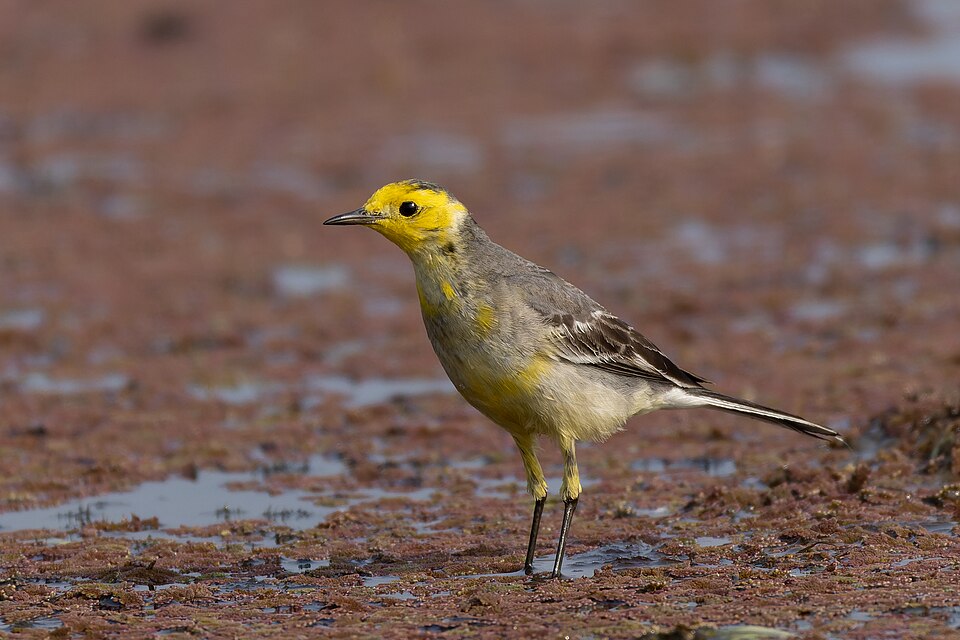 Lavandera Cetrina
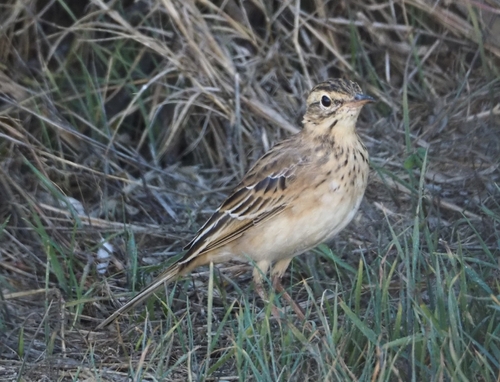 Bisbita de Richard
En breve
La marca de campo más confiable entre la Lavandera Cetrina y el Bisbita de Richard es el brillante color amarillo de la parte inferior y la cabeza de la lavandera (especialmente en los machos en época de cría), en comparación con la apariencia mucho más apagada y estriada del bisbita, de color marrón y buff. Las Lavanderas Cetrinas juveniles y de invierno pueden parecer más pálidas y menos amarillas, pero aún muestran un patrón facial y corporal más contrastante que el bisbita. Estructuralmente, el Bisbita de Richard es más grande, se mantiene más erguido y tiene una garra trasera más larga y recta y un pico más pesado. En vuelo, la Lavandera Cetrina muestra más blanco en las alas y la cola, mientras que el Bisbita de Richard parece más sencillo y marrón. Ambas especies se pueden encontrar en campos abiertos, pero las lavanderas son más propensas a estar cerca del agua y los bisbitas en praderas más secas.
Consejos de identificación
- Coloración amarilla: Cualquier amarillo brillante en la parte inferior o la cabeza favorece fuertemente a la Lavandera Cetrina (especialmente los machos adultos en plumaje de cría). El Bisbita de Richard nunca es amarillo, siempre marrón y buff.
- Patrón facial: Ambos pueden mostrar un supercilio pálido, pero la Lavandera Cetrina en todos los plumajes tiene una cara más limpia y menos estriada, a menudo con tonos amarillentos. El Bisbita de Richard tiene una cara más compleja: lóbulos y supercilio pálidos, pero también una fuerte franja ocular oscura, franjas bigoteras y malar.
- Estriado en el pecho y los flancos: El Bisbita de Richard tiene estrías oscuras en el pecho (a veces extendiéndose a los flancos), pero el vientre y los flancos inferiores son lisos. La Lavandera Cetrina generalmente no tiene estrías por debajo, especialmente en los adultos, pero los juveniles y las hembras pueden mostrar algunas manchas tenues.
- Partes superiores: La Lavandera Cetrina es gris o negra por encima (machos en cría) o marrón (hembras/inmaduros), pero siempre con un aspecto más limpio y menos estriado que el bisbita. El Bisbita de Richard está estriado de marrón por encima en todas las edades.
- Patrón de alas: En vuelo, la Lavandera Cetrina muestra blanco en las remiges y la cola; el Bisbita de Richard tiene un contraste de alas menos obvio, con dos bandas alares pálidas y blanco solo en las plumas de la cola exterior. Las lavanderas juveniles/primer invierno pueden mostrar menos contraste, pero aún más que el bisbita.
- Forma y comportamiento de la cola: La cola de la lavandera es larga y se mueve constantemente; la cola del bisbita también es larga pero se mueve menos activamente.
- Patas y postura: El Bisbita de Richard tiene patas largas, marrón amarillento y se mantiene muy erguido. La Lavandera Cetrina es más horizontal y tiene patas más cortas.
- Pico: El pico del bisbita es más largo, más pesado y tiene una base amarillenta en la mandíbula inferior. El pico de la lavandera es más fino y más puntiagudo.
- Garra trasera: La garra trasera del bisbita es larga y bastante recta, una marca sutil pero útil si se ve bien; la de la lavandera es más corta y menos recta.
- Tamaño: El Bisbita de Richard es más grande y robusto, con una cola más larga y una envergadura mayor. La lavandera es más pequeña y más delicada.
- Estilo de vuelo: El vuelo del bisbita es fuerte y ondulante; el de la lavandera es más aleteante y directo.
- Hábitat: Lavandera cerca del agua o en praderas húmedas; bisbita en praderas más secas o campos cultivados.
- Voz: Un fuerte y áspero llamado "shreep" es diagnóstico para el Bisbita de Richard. Los llamados de la lavandera no se describen aquí.
- Variación estacional: La Lavandera Cetrina es más brillante en primavera/verano (machos en cría); en invierno, ambos sexos e inmaduros son más pálidos y menos amarillos, pero aún más limpios y menos estriados que el bisbita.
- Trampas: Las lavanderas juveniles y hembras pueden ser sorprendentemente pálidas y marrones, pero aún carecen del fuerte estriado y la complejidad facial del bisbita. Siempre verifica los tonos amarillos y el contraste general.
Tamaño
El Bisbita de Richard es notablemente más grande: 17–20 cm de longitud con una envergadura de 29–33 cm y un peso de 25–36 g [wikipedia]. La Lavandera Cetrina es más pequeña y más delicada, con 15.5–17 cm de largo [wikipedia]. Las patas, la cola y el pico más largos del bisbita, así como su postura erguida, lo hacen parecer más delgado y robusto en el campo. La lavandera es más esbelta y con patas más cortas, con un pico más fino.
Plumaje
- Aves juveniles/primer invierno: Las Lavanderas Cetrinas juveniles y hembras en plumaje no reproductivo son más pálidas por debajo, con supercilio amarillento y menos amarillo extenso en la parte inferior y la cabeza. Aun así, mantienen una apariencia más limpia y contrastante que el Bisbita de Richard, que siempre está estriado de marrón por encima y pálido por debajo con un fuerte patrón facial (supercilio pálido, franja ocular oscura, franjas bigoteras y malar).
- Adultos en plumaje de cría: Los machos de Lavandera Cetrina son inconfundibles con partes inferiores y cabeza de un brillante color amarillo (excepto la nuca negra), partes superiores grises o negras, y blanco en las alas. El Bisbita de Richard nunca muestra amarillo: es marrón por encima con estrías oscuras, pálido por debajo con estrías en el pecho, y vientre/flancos lisos. La cara del bisbita está fuertemente marcada pero nunca es amarilla.
- En vuelo: La Lavandera Cetrina muestra blanco en las remiges y la cola, a menudo más obvio que las plumas blancas de la cola exterior del bisbita. Las bandas alares del Bisbita de Richard (puntas pálidas en las cobertoras) son sutiles y su ala superior es generalmente marrón liso con menos contraste. Ambos tienen blanco en la cola, pero la de la lavandera es más extensa y la cola se mueve más activamente.
Comportamiento
La Lavandera Cetrina está constantemente moviendo su cola y se mueve con un andar más horizontal y activo. A menudo forrajea cerca del agua o en praderas húmedas. El Bisbita de Richard se mantiene muy erguido, camina o corre de manera más majestuosa y es menos probable que mueva su cola. En vuelo, el fuerte y ondulante vuelo del bisbita es distintivo en comparación con el vuelo más aleteante y directo de la lavandera. Las lavanderas a menudo se ven solas o en bandadas sueltas, los bisbitas pueden ser solitarios o en pequeños grupos.
Hábitat
La Lavandera Cetrina cría en praderas húmedas y tundra, y pasa el invierno en humedales de tierras altas o cerca del agua en el sur de Asia. Rara vez se encuentra lejos del agua, incluso como vagabunda. El Bisbita de Richard prefiere praderas abiertas, estepas y campos cultivados, especialmente áreas planas de tierras bajas, y está menos atado al agua. En Europa, los bisbitas se ven más a menudo en cabos e islas durante la migración. Ambas pueden ocurrir en hábitats abiertos similares como vagabundas, pero las lavanderas son más propensas a estar en bordes húmedos, los bisbitas en extensiones secas y herbosas.
Voz
El Bisbita de Richard emite un fuerte y explosivo llamado "shreep", que recuerda a un Gorrión Común pero es más áspero y penetrante. Su canto es una serie de notas monótonas y zumbantes entregadas en vuelo ondulante. Los llamados y cantos de la Lavandera Cetrina no se describen en las notas proporcionadas, por lo que la voz es más útil para confirmar el Bisbita de Richard si se escucha el "shreep".