

milheirinha-serrana vs lugre
Carduelis citrinella versus Spinus spinus
Jogue um quiz com milheirinha-serrana e lugre
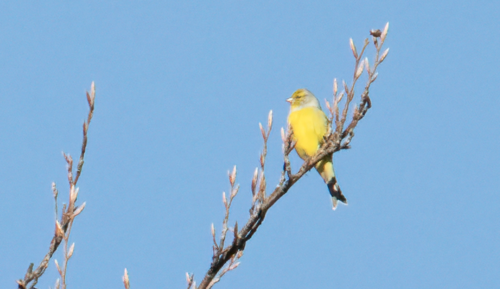 milheirinha-serrana
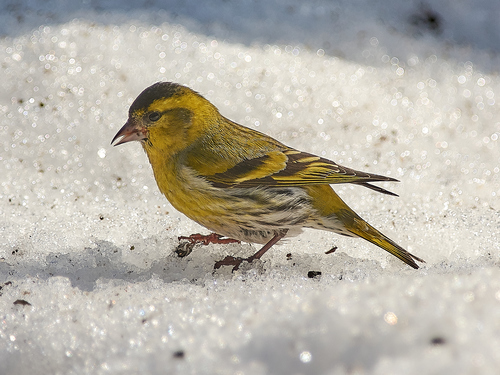 lugre
Em resumo
A maneira mais confiável de separar a milheirinha-serrana do lugre é focando no padrão da cabeça e na coloração das asas, especialmente em machos adultos: os machos do lugre têm uma impressionante touca e babador pretos, enquanto as milheirinhas-serranas mostram uma máscara facial amarela brilhante, mas não têm preto na cabeça. As milheirinhas-serranas juvenis são marrons e não apresentam tons amarelos ou verdes, enquanto os juvenis do lugre são mais apagados, mas ainda mostram algum amarelo na asa. Ambas as espécies têm amarelo na asa, mas a faixa da asa do lugre é mais larga e mais marcante. A estrutura é semelhante, mas o lugre é ligeiramente mais pesado e muitas vezes parece mais esbelto e ativo. Tenha cuidado com fêmeas e juvenis apagados, pois podem ser confusos, mas a ausência de uma touca preta e a presença de uma máscara facial amarela na milheirinha-serrana são fundamentais.
Dicas de identificação
- O macho adulto do lugre sempre mostra uma touca e babador pretos—se você ver preto na cabeça, não é milheirinha-serrana. Esta é a marca de campo mais confiável para machos adultos.
- A milheirinha-serrana tem uma máscara facial amarela brilhante sem preto na cabeça; o lugre nunca mostra uma máscara amarela, e qualquer amarelo no rosto é difuso e misturado com verde.
- A milheirinha-serrana juvenil é marrom no geral, sem qualquer amarelo ou verde—se você ver um fringilídeo marrom e listrado sem amarelo ou verde, é uma milheirinha-serrana juvenil. O juvenil do lugre, por outro lado, sempre mostra algum amarelo na asa e um tom mais oliva.
- Faixas de asa: O lugre tem uma única faixa de asa amarela larga com pontas brancas, muito marcante em voo ou em repouso. A milheirinha-serrana tem faixas de asa amarelas duplas, mas estas são mais estreitas e menos contrastantes.
- Partes inferiores: A milheirinha-serrana mostra partes inferiores amarelas em adultos, enquanto os machos do lugre têm um peito amarelo, mas uma barriga branca, muitas vezes sem listras. As fêmeas do lugre são mais listradas embaixo, mas a cor de fundo é geralmente mais branca do que a da milheirinha-serrana.
- Cor das costas: A milheirinha-serrana é acinzentada com uma costa listrada e tingida de marrom; o lugre é esverdeado por cima, com um rabo amarelo nos machos.
- Formato do bico: Ambas têm bicos semelhantes aos dos fringilídeos, mas o do lugre é ligeiramente mais esbelto e curvado, adaptado para extrair sementes de cones.
- Comportamento: O lugre é muito mais acrobático, frequentemente pendurado de cabeça para baixo; a milheirinha-serrana é mais propensa a se alimentar no chão ou em vegetação baixa.
- Tamanho do bando: Os lugres são altamente sociáveis, frequentemente em grandes bandos, especialmente fora da temporada de reprodução. As milheirinhas-serranas são menos gregárias.
- Habitat: A milheirinha-serrana é restrita a florestas coníferas abertas e prados alpinos em alta altitude no sudoeste da Europa; o lugre é amplamente distribuído, comum em florestas de planície, parques e jardins, especialmente no inverno.
- Diferenças sexuais: A fêmea do lugre não tem a touca preta e é mais oliva, mas ainda mostra uma faixa amarela na asa e algum amarelo na plumagem. A fêmea da milheirinha-serrana é mais apagada que o macho, mas ainda mostra a máscara facial amarela e as partes inferiores.
- Padrão de voo: Ambas têm voo saltitante, mas o lugre é mais rápido e errático, frequentemente chamando em voo.
- Voz: O canto do lugre é uma mistura variada de trilos e chilreios; o da milheirinha-serrana é um chilreio prateado, menos complexo. Os chamados são semelhantes e não são confiáveis para separação.
- Contexto sazonal: No inverno, o lugre é muito mais provável de ser encontrado em ambientes de planície ou jardins; a milheirinha-serrana é improvável fora de sua área de reprodução nas montanhas.
- Armadilhas: Fêmeas e juvenis apagados do lugre podem não ter amarelo e preto óbvios, mas ainda mostrarão algum amarelo na asa e um tom mais oliva do que a milheirinha-serrana juvenil marrom e sem amarelo.
Tamanho
Ambas as espécies são muito semelhantes em comprimento (milheirinha-serrana cerca de 12 cm, lugre 11–12,5 cm), mas o lugre é ligeiramente mais pesado em média (13,8 g contra 12,5 g da milheirinha-serrana). No campo, o lugre pode parecer um pouco mais esbelto e mais delicado, especialmente devido aos seus movimentos ativos e acrobáticos. O tamanho sozinho não é um separador confiável, mas o lugre pode parecer mais alongado e menos compacto do que a milheirinha-serrana.
Plumagem
- Juvenis: As milheirinhas-serranas juvenis são marrons no geral, sem qualquer amarelo ou verde na plumagem, o que é único entre fringilídeos semelhantes. Os juvenis do lugre são mais apagados do que os adultos, mas ainda mostram alguns tons amarelos, especialmente na asa, e têm uma versão mais sutil do padrão adulto.
- Machos adultos: Os machos da milheirinha-serrana têm uma parte superior acinzentada com uma costa listrada e tingida de marrom, partes inferiores amarelas e uma máscara facial amarela brilhante. Não há preto na cabeça. Os machos do lugre são mais brilhantes, com uma costa esverdeada, rabo amarelo, uma touca e babador pretos marcantes, e uma faixa de asa amarela larga. As partes inferiores são amareladas com uma barriga branca, muitas vezes sem listras.
- Fêmeas adultas: As fêmeas das milheirinhas-serranas são semelhantes aos machos, mas mais apagadas, especialmente embaixo. As fêmeas do lugre são mais olivas, não têm a touca preta e têm uma cabeça esverdeada com um babador branco. Ambas têm amarelo na asa, mas a faixa de asa do lugre é mais larga e mais óbvia.
- Padrão da asa: Ambas as espécies mostram faixas de asa amarelas, mas as do lugre são mais largas com pontas brancas, e o contraste geral da asa é maior. A milheirinha-serrana tem faixas de asa amarelas duplas, mas estas são menos ousadas do que a única faixa larga do lugre.
Comportamento
Os lugres são notavelmente ativos, alimentadores acrobáticos, frequentemente vistos pendurados de cabeça para baixo em ramos e cones, e são muito sociáveis, frequentemente encontrados em bandos. As milheirinhas-serranas são menos acrobáticas e tendem a ser mais reservadas, frequentemente vistas se alimentando no chão ou em vegetação baixa. Em voo, ambas têm um voo saltitante, semelhante ao dos fringilídeos, mas os movimentos rápidos e energéticos do lugre e seu comportamento de bando são distintivos, especialmente fora da temporada de reprodução.
Habitat
A milheirinha-serrana é uma criadora residente em regiões montanhosas de alta altitude no sudoeste da Europa, da Espanha aos Alpes, frequentemente associada a florestas coníferas abertas e prados alpinos. O lugre é muito mais amplamente distribuído, comum em toda a Europa e Eurosibéria, e prefere áreas florestais, especialmente florestas coníferas e mistas, mas também é visto em jardins e parques, especialmente no inverno. Se observado em jardins de planície ou florestas de folhas largas, o lugre é muito mais provável.
Voz
Ambas as espécies têm canções chilreantes, semelhantes às dos fringilídeos, mas a canção do lugre é uma mistura agradável de tweets e trilos, frequentemente dada em voo ou do topo das árvores. A canção da milheirinha-serrana é um chilreio prateado, semelhante ao pintassilgo-europeu e ao serim, e seu chamado principal é um 'tee-ee', semelhante ao do lugre. A voz não é um separador forte, mas a canção do lugre é mais variada e musical, enquanto a da milheirinha-serrana é mais prateada e menos complexa.