

Venturone alpino vs Lucherino
Carduelis citrinella contro Spinus spinus
Fai un quiz con Venturone alpino e Lucherino
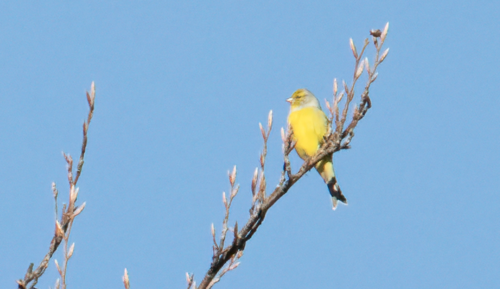 Venturone alpino
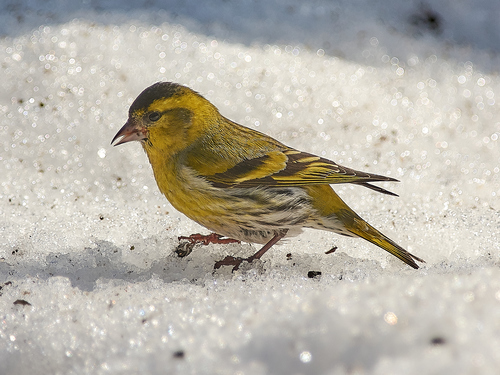 Lucherino
In breve
Il modo più affidabile per separare il Venturone alpino dal Lucherino è concentrarsi sul modello della testa e sulla colorazione delle ali, specialmente nei maschi adulti: i maschi Lucherino hanno un cappello e un collare neri molto evidenti, mentre i Venturoni alpini mostrano una maschera facciale gialla brillante ma non hanno nero sulla testa. I Venturoni alpini juvenili sono marroni e mancano di toni gialli o verdi, mentre i juvenili Lucherino sono più opachi ma mostrano ancora un po' di giallo nell'ala. Entrambe le specie hanno giallo nell'ala, ma la banda alare del Lucherino è più ampia e più evidente. La struttura è simile, ma il Lucherino è leggermente più pesante e spesso appare più snello e attivo. Fai attenzione alle femmine e ai juvenili opachi, poiché possono essere confondenti, ma l'assenza di un cappello nero e la presenza di una maschera facciale gialla nel Venturone alpino sono fondamentali.
Consigli di identificazione
- Il maschio adulto Lucherino mostra sempre un cappello e un collare neri—se vedi nero sulla testa, non è un Venturone alpino. Questo è il segno di campo più affidabile per i maschi adulti.
- Il Venturone alpino ha una maschera facciale gialla brillante senza nero sulla testa; il Lucherino non mostra mai una maschera gialla, e qualsiasi giallo sul viso è diffuso e mescolato con il verde.
- Il Venturone alpino juvenile è marrone in generale, privo di giallo o verde—se vedi un fringillide marrone e striato senza giallo o verde, è un Venturone alpino juvenile. Il juvenile Lucherino, al contrario, mostra sempre un po' di giallo nell'ala e un tono più oliva.
- Bande alari: Il Lucherino ha una singola, ampia banda alare gialla con punte bianche, molto evidente in volo o a riposo. Il Venturone alpino ha bande alari gialle doppie, ma queste sono più strette e meno contrastanti.
- Parte inferiore: Il Venturone alpino mostra parti inferiori gialle negli adulti, mentre i maschi Lucherino hanno un petto giallo ma una pancia bianca, spesso non striata. Le femmine Lucherino sono più striate sotto, ma il colore di fondo è solitamente più bianco rispetto al Venturone alpino.
- Colore della schiena: Il Venturone alpino è grigiastro con una schiena striata di tonalità marrone; il Lucherino è verdastro sopra, con un sopracciglio giallo nei maschi.
- Forma del becco: Entrambi hanno becchi simili a quelli dei fringillidi, ma quello del Lucherino è leggermente più snello e ricurvo, adattato per estrarre semi dai coni.
- Comportamento: Il Lucherino è molto più acrobatico, spesso appeso a testa in giù; il Venturone alpino è più propenso a nutrirsi a terra o in vegetazione bassa.
- Dimensione dei gruppi: I Lucherini sono molto socievoli, spesso in grandi gruppi, specialmente al di fuori della stagione riproduttiva. I Venturoni alpini sono meno gregari.
- Habitat: Il Venturone alpino è limitato a foreste conifere aperte e prati alpini ad alta quota nel sud-ovest dell'Europa; il Lucherino è diffuso, comune nelle foreste di pianura, parchi e giardini, specialmente in inverno.
- Differenze sessuali: La femmina Lucherino manca del cappello nero ed è più oliva, ma mostra ancora una banda alare gialla e un po' di giallo nel piumaggio. La femmina Venturone alpino è più opaca del maschio ma mostra ancora la maschera facciale gialla e le parti inferiori.
- Schema di volo: Entrambi hanno un volo saltellante, ma il Lucherino è più rapido ed erratico, spesso chiamando in volo.
- Voce: Il canto del Lucherino è un mix vario di trilli e twitter; quello del Venturone alpino è un twitter argentato, meno complesso. I richiami sono simili e non sono affidabili per la separazione.
- Contesto stagionale: In inverno, il Lucherino è molto più probabile in ambienti di pianura o giardino; il Venturone alpino è improbabile al di fuori della sua area di riproduzione montana.
- Trappole: Le femmine opache e i juvenili Lucherino possono mancare di giallo e nero evidenti, ma mostreranno comunque un po' di giallo nell'ala e un tono più oliva rispetto al marrone, senza giallo, Venturone alpino juvenile.
Taglia
Entrambe le specie sono molto simili in lunghezza (Venturone alpino circa 12 cm, Lucherino 11–12,5 cm), ma il Lucherino è leggermente più pesante in media (13,8 g contro i 12,5 g del Venturone alpino). Sul campo, il Lucherino può apparire un po' più snello e più delicato, specialmente a causa dei suoi movimenti attivi e acrobatici. La dimensione da sola non è un separatore affidabile, ma il Lucherino può sembrare più allungato e meno compatto rispetto al Venturone alpino.
Piumaggio
- Juvenili: I Venturoni alpini juvenili sono marroni in generale, privi di giallo o verde nel piumaggio, che è unico tra i fringillidi simili. I juvenili Lucherino sono più opachi degli adulti ma mostrano ancora alcuni toni gialli, specialmente nell'ala, e hanno una versione più attenuata del modello adulto.
- Maschi adulti: I maschi Venturone alpino hanno una parte superiore grigiasta con una schiena striata di tonalità marrone, parti inferiori gialle e una maschera facciale gialla brillante. Non c'è nero sulla testa. I maschi Lucherino sono più brillanti, con una schiena verdastra, un sopracciglio giallo, un cappello e un collare neri audaci, e una banda alare gialla ampia. Le parti inferiori sono giallastre con una pancia bianca, spesso non striata.
- Femmine adulte: Le femmine Venturone alpino sono simili ai maschi ma più opache, specialmente sotto. Le femmine Lucherino sono più olive, mancano del cappello nero e hanno una testa verdastra con un collare bianco. Entrambi hanno giallo nell'ala, ma la banda alare del Lucherino è più ampia e più evidente.
- Schema alare: Entrambe le specie mostrano bande alari gialle, ma quelle del Lucherino sono più ampie con punte bianche, e il contrasto complessivo delle ali è maggiore. Il Venturone alpino ha bande alari gialle doppie, ma queste sono meno audaci rispetto alla singola ampia striscia del Lucherino.
Comportamento
I Lucherini sono notoriamente attivi, alimentatori acrobatici, spesso visti appesi a testa in giù su rametti e coni, e sono molto socievoli, frequentemente trovati in gruppi. I Venturoni alpini sono meno acrobatici e tendono a essere più riservati, spesso visti nutrirsi a terra o in vegetazione bassa. In volo, entrambi hanno un volo saltellante, simile a quello dei fringillidi, ma i movimenti rapidi ed energetici del Lucherino e il suo comportamento di gruppo sono distintivi, specialmente al di fuori della stagione riproduttiva.
Habitat
Il Venturone alpino è un riproduttore residente nelle regioni montane ad alta quota del sud-ovest dell'Europa, dalla Spagna alle Alpi, spesso associato a foreste conifere aperte e prati alpini. Il Lucherino è molto più diffuso, comune in tutta Europa e Eurosiberia, e preferisce aree boschive, specialmente foreste di conifere e boschi misti, ma è anche visto in giardini e parchi, specialmente in inverno. Se osservato in giardini di pianura o boschi a foglia larga, il Lucherino è molto più probabile.
Voce
Entrambe le specie hanno canti twittering, simili a quelli dei fringillidi, ma il canto del Lucherino è un piacevole mix di tweet e trilli, spesso emesso in volo o dalle cime degli alberi. Il canto del Venturone alpino è un twitter argentato, simile a quello del Cardellino e del Serin, e il suo richiamo principale è un 'tee-ee', simile a quello del Lucherino. La voce non è un forte separatore, ma il canto del Lucherino è più vario e musicale, mentre quello del Venturone alpino è più argentato e meno complesso.