

Motmot

シトロンヒワ 対 マヒワ

Carduelis citrinella 対 Spinus spinus

シトロンヒワとマヒワのクイズ
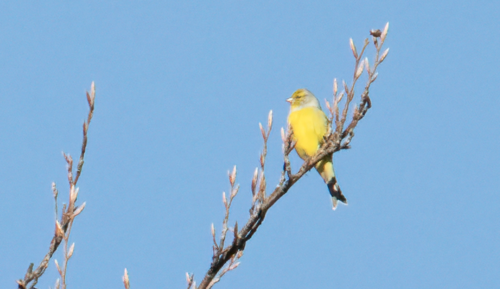
シトロンヒワ (Carduelis citrinella) シトロンヒワ
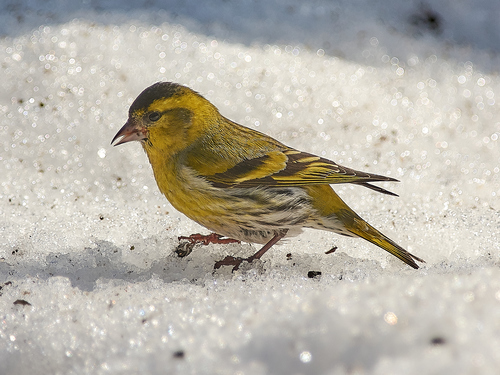
マヒワ (Spinus spinus) マヒワ

メディア

読み込み中…

要点

シトロンヒワとマヒワを区別する最も信頼できる方法は、特に成鳥のオスにおいて、頭の模様と翼の色に焦点を当てることです:マヒワのオスは目立つ黒い帽子とビブを持ち、シトロンヒワは明るい黄色の顔のマスクを示しますが、頭に黒はありません。幼鳥のシトロンヒワは茶色で、黄色や緑の色合いがなく、対照的に幼鳥のマヒワは地味ですが、翼にいくつかの黄色を示します。両種とも翼に黄色がありますが、マヒワの翼帯はより広く、目立ちます。構造は似ていますが、マヒワはやや重く、しばしばスリムで活動的に見えます。地味な雌や幼鳥には注意が必要で、混乱を招く可能性がありますが、シトロンヒワの黒い帽子がないことと黄色の顔のマスクがあることが重要です。

識別のコツ

  1. 成鳥のオスのマヒワは常に黒い帽子とビブを示します—頭に黒が見えたら、それはシトロンヒワではありません。これは成鳥のオスにとって最も信頼できるフィールドマークです。
  2. シトロンヒワは頭に黒がない明るい黄色の顔のマスクを持っています; マヒワは決して黄色のマスクを示さず、顔の黄色は拡散して緑と混ざっています。
  3. 幼鳥のシトロンヒワは全体が茶色で、黄色や緑がありません—もし黄色や緑のない茶色の縞模様のヒワを見たら、それは幼鳥のシトロンヒワです。対照的に、幼鳥のマヒワは常に翼にいくつかの黄色を示し、よりオリーブ色のトーンを持っています。
  4. 翼帯: マヒワは白い先端を持つ単一の広い黄色の翼帯を持ち、飛行中または静止中に非常に目立ちます。シトロンヒワは二重の黄色の翼帯を持っていますが、これらは狭く、対比が少ないです。
  5. 腹部: シトロンヒワは成鳥で黄色の腹部を示しますが、マヒワのオスは黄色の胸を持っていますが、白く、しばしば縞模様がありません。雌のマヒワはより縞模様ですが、地色は通常シトロンヒワよりも白いです。
  6. 背中の色: シトロンヒワは灰色がかった色で、茶色がかった縞模様の背中を持ち、マヒワは上部が緑がかっており、オスは黄色の尾羽を持っています。
  7. くちばしの形: 両者ともヒワのようなくちばしを持っていますが、マヒワの方がやや細く、湾曲しており、円錐から種を取り出すために適応しています。
  8. 行動: マヒワは非常にアクロバティックで、しばしば逆さまにぶら下がっています; シトロンヒワは地面や低い植生で餌を食べる可能性が高いです。
  9. 群れのサイズ: マヒワは非常に社交的で、特に繁殖期以外は大きな群れで見られます。シトロンヒワはあまり群れを作りません。
  10. 生息地: シトロンヒワは南西ヨーロッパの高地の開けた針葉樹林とアルプスの草原に限定されています; マヒワは広範囲に分布し、低地の森林、公園、庭で一般的で、特に冬に見られます。
  11. 性差: 雌のマヒワは黒い帽子がなく、よりオリーブ色ですが、依然として黄色の翼帯と羽毛にいくつかの黄色を示します。雌のシトロンヒワはオスよりも地味ですが、依然として黄色の顔のマスクと腹部を示します。
  12. 飛行パターン: 両者とも跳ねるような飛行をしますが、マヒワはより速く、不規則で、しばしば飛行中に呼びかけます。
  13. 声: マヒワの歌はさまざまなトリルとツイッターの混合です; シトロンヒワの歌は銀色のツイッターで、複雑さは少ないです。呼び声は似ており、区別には信頼できません。
  14. 季節的文脈: 冬には、マヒワは低地や庭の環境にいる可能性が高いですが、シトロンヒワは山の繁殖範囲外では見られません。
  15. 落とし穴: 地味な雌や幼鳥のマヒワは明らかな黄色や黒が欠けていることがありますが、翼にいくつかの黄色を示し、茶色で黄色のない幼鳥のシトロンヒワよりもオリーブ色のトーンを持っています。

大きさ

両種は長さが非常に似ています(シトロンヒワ約12 cm、マヒワ11–12.5 cm)が、マヒワは平均してやや重いです(13.8 g対シトロンヒワの12.5 g)。フィールドでは、マヒワはややスリムで繊細に見えることがあります。サイズだけでは信頼できる区別にはなりませんが、マヒワはシトロンヒワよりも長く見えることがあります。

羽色

行動

マヒワは非常に活動的でアクロバティックな餌を食べる鳥で、しばしば小枝や円錐に逆さまにぶら下がっているのが見られ、非常に社交的で、頻繁に群れで見られます。シトロンヒワはあまりアクロバティックではなく、より控えめで、しばしば地面や低い植生で餌を食べているのが見られます。飛行中、両者とも跳ねるようなヒワのような飛行をしますが、マヒワの速くエネルギッシュな動きと群れ行動は特に繁殖期以外で際立っています。

生息環境

シトロンヒワは南西ヨーロッパの高地の山岳地域に生息する繁殖者で、スペインからアルプスまで、開けた針葉樹林とアルプスの草原に関連しています。マヒワははるかに広範囲に分布し、ヨーロッパとユーロシベリア全体で一般的で、特に針葉樹林や混合林を好みますが、冬には庭や公園でも見られます。低地の庭や広葉樹林で観察される場合、マヒワの方がはるかに可能性が高いです。

声

両種ともツイッターのようなヒワの歌を持っていますが、マヒワの歌はツイートとトリルの心地よい混合で、しばしば飛行中や樹木の頂上から歌われます。シトロンヒワの歌は銀色のツイッターで、ヨーロッパゴシキヒワやセリに似ており、主な呼び声は「ティー・イー」で、マヒワに似ています。声は強い区別要因ではありませんが、マヒワの歌はより多様で音楽的であり、シトロンヒワの歌はより銀色で複雑さが少ないです。

より良い説明を送る

比較と同じ項目を使ってください。文章はすぐに公開されます。

The most reliable way to separate Citril Finch from Eurasian Siskin is by focusing on head pattern and wing coloration, especially in adult males: Siskin males have a striking black cap and bib, while Citril Finches show a bright yellow face mask but lack any black on the head. Juvenile Citril Finches are brown and lack yellow or green tones, whereas juvenile Siskins are drabber but still show some yellow in the wing. Both species have yellow in the wing, but Siskin's wingbar is broader and more striking. Structure is similar, but Siskin is slightly heavier and often appears slimmer and more active. Be cautious with dull females and juveniles, as they can be confusing, but the absence of a black cap and the presence of a yellow face mask in Citril Finch are key.

  1. Adult male Siskin always shows a black cap and bib—if you see black on the head, it's not Citril Finch. This is the single most reliable field mark for adult males.
  2. Citril Finch has a bright yellow face mask with no black on the head; Siskin never shows a yellow mask, and any yellow on the face is diffuse and mixed with green.
  3. Juvenile Citril Finch is brown overall, lacking any yellow or green—if you see a brown, streaky finch with no yellow or green, it's a juvenile Citril Finch. Juvenile Siskin, by contrast, always shows some yellow in the wing and a more olive tone.
  4. Wingbars: Siskin has a single, broad yellow wingbar with white tips, very striking in flight or at rest. Citril Finch has double yellow wingbars, but these are narrower and less contrasting.
  5. Underparts: Citril Finch shows yellow underparts in adults, while Siskin males have a yellow breast but a white, often unstreaked belly. Female Siskins are more streaked below, but the ground color is usually whiter than Citril Finch.
  6. Back color: Citril Finch is greyish with a brown-tinged, streaked back; Siskin is greenish above, with a yellow rump in males.
  7. Bill shape: Both have finch-like bills, but Siskin's is slightly more slender and decurved, adapted for extracting seeds from cones.
  8. Behavior: Siskin is much more acrobatic, often hanging upside down; Citril Finch is more likely to feed on the ground or low in vegetation.
  9. Flock size: Siskins are highly sociable, often in large flocks, especially outside the breeding season. Citril Finches are less gregarious.
  10. Habitat: Citril Finch is restricted to high-altitude, open coniferous forests and alpine meadows in southwestern Europe; Siskin is widespread, common in lowland forests, parks, and gardens, especially in winter.
  11. Sex differences: Female Siskin lacks the black cap and is more olive, but still shows a yellow wingbar and some yellow in the plumage. Female Citril Finch is duller than the male but still shows the yellow face mask and underparts.
  12. Flight pattern: Both have bounding flight, but Siskin is more rapid and erratic, often calling in flight.
  13. Voice: Siskin's song is a varied mix of trills and twitters; Citril Finch's is a silvery twitter, less complex. Calls are similar and not reliable for separation.
  14. Seasonal context: In winter, Siskin is much more likely in lowland or garden settings; Citril Finch is unlikely outside its mountain breeding range.
  15. Pitfalls: Dull female and juvenile Siskins can lack obvious yellow and black, but will still show some yellow in the wing and a more olive tone than the brown, yellow-less juvenile Citril Finch.

Both species are very similar in length (Citril Finch about 12 cm, Siskin 11–12.5 cm), but Siskin is slightly heavier on average (13.8 g vs. Citril Finch's 12.5 g). In the field, Siskin may appear a bit slimmer and more delicate, especially due to its active, acrobatic movements. Size alone is not a reliable separator, but Siskin can look more elongated and less compact than Citril Finch.

  • Juveniles: Juvenile Citril Finches are brown overall, lacking any yellow or green in the plumage, which is unique among similar finches. Juvenile Siskins are duller than adults but still show some yellow tones, especially in the wing, and have a more subdued version of the adult pattern.
  • Adult males: Citril Finch males have a greyish upperpart with a brown-tinged, streaked back, yellow underparts, and a bright yellow face mask. There is no black on the head. Siskin males are brighter, with a greenish back, yellow rump, a bold black cap and bib, and a broad yellow wingbar. The underparts are yellowish with a white, often unstreaked, belly.
  • Adult females: Female Citril Finches are similar to males but duller, especially below. Female Siskins are more olive, lack the black cap, and have a greenish head with a white bib. Both have yellow in the wing, but Siskin's wingbar is broader and more obvious.
  • Wing pattern: Both species show yellow wingbars, but Siskin's are broader with white tips, and the overall wing contrast is higher. Citril Finch has double yellow wingbars, but these are less bold than Siskin's single broad stripe.

Siskins are notably active, acrobatic feeders, often seen hanging upside down on twigs and cones, and are very sociable, frequently found in flocks. Citril Finches are less acrobatic and tend to be more reserved, often seen feeding on the ground or in low vegetation. In flight, both have bounding, finch-like flight, but Siskin's rapid, energetic movements and flocking behavior are distinctive, especially outside the breeding season.

Citril Finch is a resident breeder in high-altitude mountain regions of southwestern Europe, from Spain to the Alps, often associated with open coniferous forests and alpine meadows. Eurasian Siskin is much more widespread, common throughout Europe and Eurosiberia, and prefers forested areas, especially coniferous and mixed woodland, but is also seen in gardens and parks, especially in winter. If observed in lowland gardens or broadleaf woodland, Siskin is much more likely.

Both species have twittering, finch-like songs, but Siskin's song is a pleasant mix of tweets and trills, often given in flight or from treetops. Citril Finch's song is a silvery twitter, resembling European Goldfinch and Serin, and its main call is a 'tee-ee', similar to Siskin. Voice is not a strong separator, but Siskin's song is more varied and musical, while Citril Finch's is more silvery and less complex.

変更を破棄しますか?

保存していない編集があります。今離れると失われます。

シトロンヒワ · マヒワ · 苦手な鳥