

chinspot batis vs pririt batis
Batis molitor versus Batis pririt
Jogue um quiz com chinspot batis e pririt batis
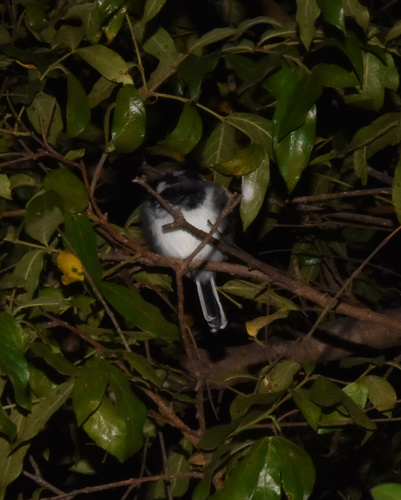 chinspot batis
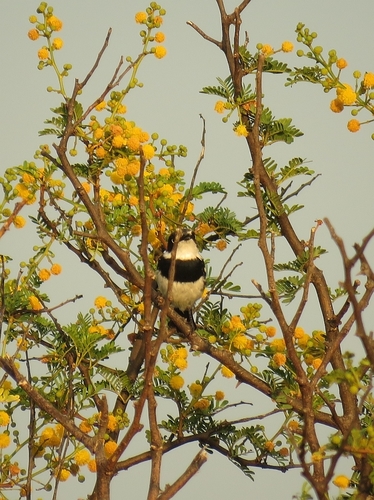 pririt batis
Em resumo
A maneira mais confiável de separar o chinspot batis do pririt batis é pela cor e padrão da faixa peitoral: o macho do chinspot batis tem uma faixa peitoral preta sólida, enquanto a fêmea apresenta uma faixa castanha e uma mancha na garganta; os machos do pririt batis têm uma faixa peitoral preta, mas também mostram manchas pretas nos flancos, e as fêmeas/juvenis não têm a faixa, mostrando em vez disso uma garganta e peito em tom quente de buff. Ambas as espécies têm uma máscara preta, garganta branca e marcas brancas proeminentes nas asas, mas o pririt batis tem uma mancha branca no ombro mais longa e mais preto na região do rabo e na cauda. As plumagens juvenis e femininas são especialmente propensas à confusão, mas a presença ou ausência da faixa peitoral e a cor da garganta são fundamentais. A estrutura e o comportamento são semelhantes, mas as preferências de habitat podem ajudar: o chinspot batis prefere florestas mais úmidas, enquanto o pririt batis é mais típico de arbustos espinhosos secos.
Dicas de identificação
- Cor e presença da faixa peitoral: O macho do chinspot batis apresenta uma faixa peitoral preta sólida; a fêmea tem uma faixa castanha e uma mancha na garganta. O macho do pririt batis tem uma faixa peitoral preta com manchas pretas nos flancos; a fêmea e o juvenil não têm a faixa, mostrando uma garganta e peito em tom quente de buff. Esta é a marca de campo mais confiável, especialmente em aves empoleiradas.
- Cor da garganta: A fêmea e o juvenil do chinspot batis têm uma mancha castanha ou tawny na garganta, enquanto as fêmeas/juvenis do pririt batis têm uma garganta e peito em tom quente de buff sem mancha distinta.
- Padrão dos flancos: Os machos do pririt batis têm manchas pretas nos flancos, ausentes no chinspot batis.
- Marcas nas asas: Ambos têm listras brancas nas asas, mas o pririt batis tem uma mancha branca no ombro mais longa, enquanto a do chinspot batis é mais curta e mais parecida com uma faixa.
- Rabo e cauda: O pririt batis tem um rabo e cauda pretos, que podem ser mais extensos do que as partes superiores cinzas do chinspot batis.
- Cor da cabeça: O chinspot batis tem uma cabeça e costas cinzas; a coroa e as costas do pririt batis são cinzas escuras, mas isso é sutil e nem sempre confiável em campo.
- Confusão juvenil: O juvenil do chinspot batis se assemelha à fêmea (faixa peitoral tawny e mancha na garganta), enquanto o juvenil do pririt batis não tem faixa peitoral e é buff por baixo. Se você ver uma faixa (mesmo que fraca/tawny), incline-se para o chinspot.
- Comportamento: O chinspot batis pode formar pequenos grupos de inverno/primavera ('parlamentos') com exibições de batidas de asas; o pririt batis é mais solitário ou em pares.
- Habitat: Em arbustos espinhosos secos ou florestas áridas, o pririt batis é mais provável; em florestas mais úmidas e densas, o chinspot batis é favorecido. Use o habitat como uma pista de apoio, não como uma marca primária.
- Voz: Ambas as espécies têm chamadas assobiadas descendentes; o chinspot batis emite um assobio de três notas, o pririt batis uma série mais lenta de notas 'teuu'. Use com cautela, a menos que esteja familiarizado com ambos.
- Bico, pernas e olhos: Ambos têm bicos e pernas pretos e olhos amarelos; essas características não os separam.
- Visões em voo: Ambos mostram branco forte nas asas, mas não há padrões únicos nas asas superiores descritos que os separem de forma confiável em voo. Concentre-se no padrão das partes inferiores, se possível.
- Postura empoleirada: Ambos são ativos, eretos e batem suas caudas e asas; a postura não é um separador confiável.
- Diferenças sexuais: Apenas a fêmea do chinspot batis apresenta uma faixa peitoral castanha e uma mancha na garganta; a fêmea do pririt batis é buff por baixo, sem faixa.
- Armadilhas: Cuidado com aves desbotadas ou desgastadas, especialmente juvenis e fêmeas, pois a cor da faixa peitoral pode ser sutil. Sempre verifique a presença, cor e forma da faixa e da mancha na garganta, e use múltiplas marcas quando possível.
Tamanho
Ambas as espécies são pequenos batises robustos com proporções gerais semelhantes. O chinspot batis tem uma massa corporal média documentada de 8,7g [wikidata], enquanto não há massa precisa disponível para o pririt batis, mas ambos estão na mesma classe de tamanho e é improvável que sejam separados de forma confiável por tamanho em campo. O comprimento é semelhante (chinspot batis: 12–13 cm), e ambos têm perfis compactos, de cauda curta e cabeça larga, típicos do gênero.
Plumagem
Para machos adultos, ambas as espécies têm uma máscara preta, garganta branca e faixa peitoral preta, mas o chinspot batis apresenta uma faixa preta sólida com partes inferiores brancas limpas, enquanto o pririt batis adiciona manchas pretas nos flancos e tem uma mancha branca no ombro mais longa na asa. Os machos do chinspot batis têm uma cabeça e costas cinzas, enquanto os machos do pririt batis têm uma coroa e costas cinzas escuras, mas com um rabo e cauda pretos. Fêmeas e juvenis são mais distintos: a fêmea do chinspot batis tem uma faixa peitoral castanha (não preta) e uma mancha castanha na garganta, enquanto a fêmea e o juvenil do pririt batis não têm faixa peitoral e, em vez disso, têm uma garganta e peito em tom quente de buff. O juvenil do chinspot batis se assemelha à fêmea, mas com faixa peitoral tawny (não castanha) e mancha na garganta. Ambas as espécies mostram uma faixa/marca branca proeminente na asa, mas a do pririt batis é mais longa e mais óbvia. Em voo, ambas mostram forte contraste nas asas, mas não há padrões únicos nas asas superiores descritos que os separem à distância.
Comportamento
Ambas as espécies são forrageadoras ativas e inquietas, frequentemente batendo suas caudas e asas, e geralmente são vistas sozinhas ou em pares. O chinspot batis é conhecido por formar pequenos 'parlamentos' (grupos) no inverno e na primavera, às vezes com exibições de batidas de asas e interações barulhentas, o que é menos frequentemente descrito para o pririt batis. Ambas caçam insetos por captura em voo ou colhendo de folhagens, mas o pririt batis também pode pegar presas do chão, de maneira semelhante a um matador. A territorialidade é forte no chinspot batis, com machos anunciando de poleiros expostos. Ambas as espécies podem ser agressivas em relação a intrusos.
Habitat
O chinspot batis é amplamente distribuído nas florestas do sul da África, favorecendo habitats de folhas largas mais úmidas do Cabo Oriental para o norte, enquanto o pririt batis é mais típico de florestas de folhas largas secas e arbustos espinhosos, especialmente no sudoeste de Angola e no sul da África. A sobreposição é possível, mas o chinspot batis é menos provável em áreas áridas de espinhos, e o pririt batis é menos comum em florestas mais úmidas e densas. O contexto do habitat pode ajudar, especialmente nos extremos de suas distribuições.
Voz
Ambas as espécies têm chamadas assobiadas, mas o chinspot batis emite um assobio descendente de três notas, muitas vezes como um dueto, enquanto a canção do pririt batis é uma série lenta e descendente de notas assobiadas 'teuu, teuu, teuu'. Ambas podem chamar de poleiros proeminentes, mas suas canções são semelhantes o suficiente que a voz sozinha raramente é diagnóstica sem experiência.