
Chinspot Batis vs Pririt Batis
Batis molitor contro Batis pririt
Fai un quiz con Chinspot Batis e Pririt Batis
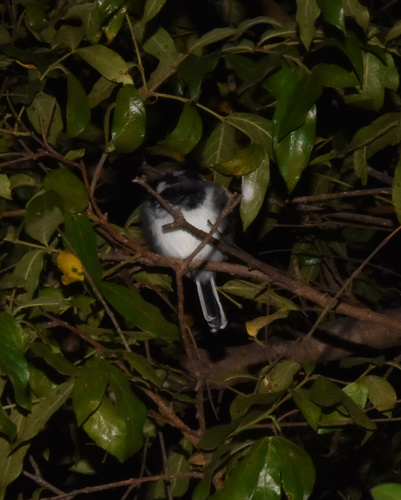 Chinspot Batis
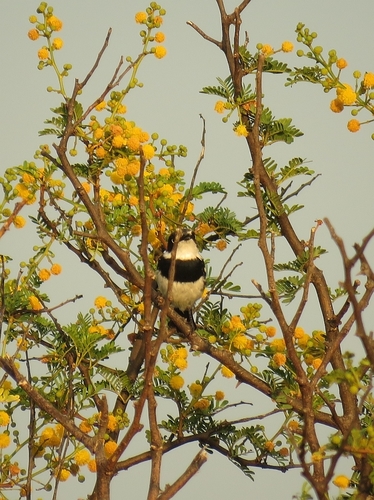 Pririt Batis
In breve
Il modo più affidabile per separare il Chinspot Batis dal Pririt Batis è il colore e il motivo della fascia del petto: il maschio del Chinspot Batis ha una fascia del petto nera solida, mentre la femmina mostra una fascia castana e una macchia sulla gola; i maschi del Pririt Batis hanno una fascia del petto nera ma mostrano anche macchie nere sui fianchi, e le femmine/i giovani non hanno affatto la fascia, mostrando invece una gola e un petto di un caldo color buff. Entrambe le specie hanno una maschera nera, una gola bianca e marcature bianche prominenti sulle ali, ma il Pririt Batis ha una macchia bianca sulla spalla più lunga e più estesa di nero sul dorso e sulla coda. Le piume giovanili e femminili sono particolarmente soggette a confusione, ma la presenza o l'assenza della fascia del petto e il colore della gola sono fondamentali. La struttura e il comportamento sono simili, ma le preferenze di habitat possono aiutare: il Chinspot Batis predilige boschi più umidi, mentre il Pririt Batis è più tipico di cespugli spinosi secchi.
Consigli di identificazione
- Colore e presenza della fascia del petto: Il maschio del Chinspot Batis mostra una fascia del petto nera solida; la femmina ha una fascia castana e una macchia sulla gola. Il maschio del Pririt Batis ha una fascia del petto nera con macchie nere sui fianchi; la femmina e il giovane non hanno la fascia, mostrando una gola e un petto di un caldo color buff. Questo è il segno di campo più affidabile, specialmente negli uccelli in perlustrazione.
- Colore della gola: La femmina e il giovane del Chinspot Batis hanno una macchia castana o fulva sulla gola, mentre le femmine/i giovani del Pririt Batis hanno una gola e un petto di un caldo color buff senza macchia distintiva.
- Motivo dei fianchi: I maschi del Pririt Batis hanno macchie nere sui fianchi, assenti nel Chinspot Batis.
- Marcature delle ali: Entrambi hanno strisce bianche sulle ali, ma il Pririt Batis ha una macchia bianca sulla spalla più lunga, mentre quella del Chinspot Batis è più corta e più simile a una striscia.
- Dorso e coda: Il Pririt Batis ha un dorso e una coda neri, che possono essere più estesi rispetto alla parte superiore grigia del Chinspot Batis.
- Colore del cappuccio: Il Chinspot Batis ha un cappuccio e un dorso grigi; il cappuccio e il dorso del Pririt Batis sono di un grigio scuro, ma questo è sottile e non sempre affidabile sul campo.
- Confusione giovanile: Il giovane Chinspot Batis assomiglia alla femmina (fascia del petto fulva e macchia sulla gola), mentre il giovane Pririt Batis non ha una fascia del petto ed è di un color buff sotto. Se vedi una fascia (anche debole/fulva), inclina verso il Chinspot.
- Comportamento: Il Chinspot Batis può formare piccoli gruppi in inverno/primavera ('parlamenti') con esibizioni di battito d'ali; il Pririt Batis è più solitario o in coppia.
- Habitat: In cespugli spinosi secchi o boschi aridi, il Pririt Batis è più probabile; in boschi più umidi e densi, il Chinspot Batis è favorito. Usa l'habitat come indizio di supporto, non come segno principale.
- Voce: Entrambe le specie hanno richiami fischiati discendenti; il Chinspot Batis emette un fischio a tre note, il Pririt Batis una serie più lenta di note 'teuu'. Usa con cautela a meno che non sia familiare con entrambi.
- Becco, zampe e occhi: Entrambi hanno becchi e zampe neri e occhi gialli; queste caratteristiche non li separano.
- Viste in volo: Entrambi mostrano un forte bianco nelle ali, ma non sono descritti schemi unici delle ali superiori che li separano in volo. Concentrati sul motivo della parte inferiore se possibile.
- Postura in perlustrazione: Entrambi sono attivi, eretti, e muovono le loro code e ali; la postura non è un separatore affidabile.
- Differenze sessuali: Solo la femmina del Chinspot Batis mostra una fascia del petto castana e una macchia sulla gola; la femmina del Pririt Batis è di un color buff sotto senza fascia.
- Trappole: Fai attenzione agli uccelli sbiaditi o usurati, specialmente ai giovani e alle femmine, poiché il colore della fascia del petto può essere sottile. Controlla sempre la presenza, il colore e la forma della fascia e della macchia sulla gola, e usa più segni quando possibile.
Taglia
Entrambe le specie sono piccoli batis robusti con proporzioni complessive simili. Il Chinspot Batis ha una massa corporea media documentata di 8.7g [wikidata], mentre non è disponibile una massa precisa per il Pririt Batis, ma entrambe sono nella stessa classe di dimensioni e sono poco probabili da separare affidabilmente per dimensione sul campo. La lunghezza è simile (Chinspot Batis: 12–13 cm), e entrambe hanno profili compatti, con code corte e teste larghe tipiche del genere.
Piumaggio
Per i maschi adulti, entrambe le specie hanno una maschera nera, una gola bianca e una fascia del petto nera, ma il Chinspot Batis mostra una fascia nera solida con parti inferiori bianche pulite, mentre il Pririt Batis aggiunge macchie nere sui fianchi e ha una macchia bianca sulla spalla più lunga sull'ala. I maschi del Chinspot Batis hanno un cappuccio e un dorso grigi, mentre i maschi del Pririt Batis hanno un cappuccio e un dorso grigio scuro, ma con un dorso e una coda neri. Le femmine e i giovani sono più distintivi: la femmina del Chinspot Batis ha una fascia del petto castana (non nera) e una macchia castana sulla gola, mentre la femmina e il giovane del Pririt Batis non hanno alcuna fascia del petto e invece hanno una gola e un petto di un caldo color buff. Il giovane Chinspot Batis assomiglia alla femmina ma con una fascia del petto fulva (non castana) e una macchia sulla gola. Entrambe le specie mostrano una striscia/marcatura bianca prominente sulle ali, ma quella del Pririt Batis è più lunga e più evidente. In volo, entrambe mostrano un forte contrasto sulle ali, ma non ci sono schemi unici delle ali superiori descritti che li separano a distanza.
Comportamento
Entrambe le specie sono attive, instancabili cercatori di cibo, spesso muovendo le loro code e ali, e di solito vengono viste singolarmente o in coppie. Il Chinspot Batis è noto per formare piccoli 'parlamenti' (gruppi) in inverno e primavera, a volte con esibizioni di battito d'ali e interazioni rumorose, che è meno spesso descritto per il Pririt Batis. Entrambi cacciano insetti catturandoli in volo o raccogliendoli dalla vegetazione, ma il Pririt Batis può anche prendere prede dal suolo, simile a un lanius. La territorialità è forte nel Chinspot Batis, con i maschi che pubblicizzano da posatoi esposti. Entrambe le specie possono essere aggressive verso gli intrusi.
Habitat
Il Chinspot Batis è diffuso nei boschi dell'Africa meridionale, preferendo habitat a foglia larga più umidi dal Capo Orientale verso nord, mentre il Pririt Batis è più tipico di boschi a foglia larga secchi e cespugli spinosi, specialmente nel sud-ovest dell'Angola e nell'Africa meridionale. È possibile una sovrapposizione, ma il Chinspot Batis è meno probabile in cespugli spinosi aridi, e il Pririt Batis è meno comune in boschi più umidi e densi. Il contesto dell'habitat può aiutare, specialmente agli estremi delle loro aree.
Voce
Entrambe le specie hanno richiami fischiati, ma il Chinspot Batis emette un fischio discendente a tre note, spesso come un duetto, mentre il canto del Pririt Batis è una lenta serie di note fischiate 'teuu, teuu, teuu'. Entrambi possono chiamare da posatoi prominenti, ma i loro canti sono abbastanza simili da rendere la voce da sola raramente diagnostica senza esperienza.