
Batis Molitor vs Batis Pririt
Batis molitor frente a Batis pririt
Juega un quiz con Batis Molitor y Batis Pririt
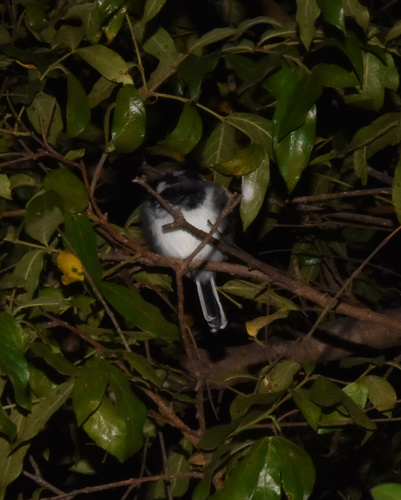 Batis Molitor
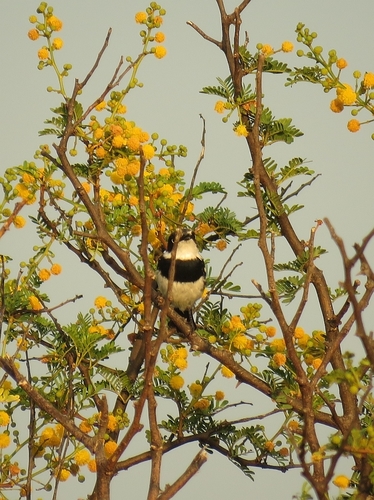 Batis Pririt
En breve
La forma más confiable de separar a Batis Molitor de Batis Pririt es por el color y patrón de la banda del pecho: el macho de Batis Molitor tiene una banda del pecho negra sólida, mientras que la hembra muestra una banda castaña y una mancha en la garganta; los machos de Batis Pririt tienen una banda del pecho negra pero también muestran manchas negras en los flancos, y las hembras/juveniles carecen completamente de la banda, mostrando en su lugar una garganta y pecho de color cálido. Ambas especies tienen una máscara negra, garganta blanca y marcas blancas prominentes en las alas, pero Batis Pririt tiene un parche blanco en el hombro más largo y más negro en la rabadilla y la cola. Los plumajes juveniles y femeninos son especialmente propensos a la confusión, pero la presencia o ausencia de la banda del pecho y el color de la garganta son clave. La estructura y el comportamiento son similares, pero las preferencias de hábitat pueden ayudar: Batis Molitor prefiere bosques más húmedos, mientras que Batis Pririt es más típico de matorrales espinosos secos.
Consejos de identificación
- Color y presencia de la banda del pecho: El macho de Batis Molitor muestra una banda del pecho negra sólida; la hembra tiene una banda castaña y una mancha en la garganta. El macho de Batis Pririt tiene una banda del pecho negra con manchas negras en los flancos; la hembra y el juvenil carecen de la banda, mostrando una garganta y pecho de color cálido. Esta es la marca de campo más confiable, especialmente en aves posadas.
- Color de la garganta: La hembra y el juvenil de Batis Molitor tienen una mancha castaña o parda en la garganta, mientras que las hembras/juveniles de Batis Pririt tienen una garganta y pecho de color cálido sin mancha distintiva.
- Patrón de los flancos: Los machos de Batis Pririt tienen manchas negras en los flancos, ausentes en Batis Molitor.
- Marcas en las alas: Ambas tienen franjas blancas en las alas, pero Batis Pririt tiene un parche blanco en el hombro más largo, mientras que el de Batis Molitor es más corto y más parecido a una franja.
- Rabadilla y cola: Batis Pririt tiene una rabadilla y cola negras, que pueden ser más extensas que las partes superiores grises de Batis Molitor.
- Color de la cabeza: Batis Molitor tiene una cabeza y espalda grises; la corona y la espalda de Batis Pririt son de un gris oscuro, pero esto es sutil y no siempre confiable en el campo.
- Confusión juvenil: El juvenil de Batis Molitor se asemeja a la hembra (banda del pecho parda y mancha en la garganta), mientras que el juvenil de Batis Pririt carece de banda del pecho y es de color pardo por debajo. Si ves una banda (incluso débil/parda), inclínate hacia Batis Molitor.
- Comportamiento: Batis Molitor puede formar pequeños grupos de invierno/primavera ('parlamentos') con exhibiciones de aleteo; Batis Pririt es más solitario o en pareja.
- Hábitat: En matorrales espinosos secos o bosques áridos, es más probable encontrar a Batis Pririt; en bosques más húmedos y densos, se prefiere a Batis Molitor. Usa el hábitat como una pista de apoyo, no como una marca primaria.
- Voz: Ambas especies tienen llamados silbados descendentes; Batis Molitor emite un silbido de tres notas, Batis Pririt una serie más lenta de notas 'teuu'. Usa con precaución a menos que estés familiarizado con ambas.
- Pico, patas y ojos: Ambas tienen picos y patas negras y ojos amarillos; estas características no los separan.
- Vistas en vuelo: Ambas muestran un fuerte blanco en las alas, pero no se describen patrones únicos en la parte superior de las alas que los separen de manera confiable en vuelo. Concéntrate en el patrón de las partes inferiores si es posible.
- Postura posada: Ambas son activas, erguidas y mueven sus colas y alas; la postura no es un separador confiable.
- Diferencias sexuales: Solo la hembra de Batis Molitor muestra una banda del pecho castaña y una mancha en la garganta; la hembra de Batis Pririt es de color pardo por debajo sin banda.
- Trampas: Ten cuidado con aves descoloridas o desgastadas, especialmente juveniles y hembras, ya que el color de la banda del pecho puede ser sutil. Siempre verifica la presencia, color y forma de la banda y la mancha en la garganta, y usa múltiples marcas cuando sea posible.
Tamaño
Ambas especies son pequeñas, robustas y tienen proporciones generales similares. Batis Molitor tiene una masa corporal promedio documentada de 8.7g [wikidata], mientras que no hay una masa precisa disponible para Batis Pririt, pero ambas están en la misma clase de tamaño y es poco probable que se separen de manera confiable por tamaño en el campo. La longitud es similar (Batis Molitor: 12–13 cm), y ambas tienen perfiles compactos, de cola corta y cabeza ancha típicos del género.
Plumaje
Para los machos adultos, ambas especies tienen una máscara negra, garganta blanca y banda del pecho negra, pero Batis Molitor muestra una banda negra sólida con partes inferiores blancas limpias, mientras que Batis Pririt añade manchas negras en los flancos y tiene un parche blanco en el hombro más largo en el ala. Los machos de Batis Molitor tienen una cabeza y espalda grises, mientras que los machos de Batis Pririt tienen una corona y espalda de un gris oscuro, pero con una rabadilla y cola negras. Las hembras y los juveniles son más distintos: la hembra de Batis Molitor tiene una banda del pecho castaña (no negra) y una mancha castaña en la garganta, mientras que la hembra y el juvenil de Batis Pririt carecen de cualquier banda del pecho y en su lugar tienen una garganta y pecho de color cálido. El juvenil de Batis Molitor se asemeja a la hembra pero con una banda del pecho y mancha en la garganta de color pardo (no castaño). Ambas especies muestran una franja/parche blanco prominente en las alas, pero el de Batis Pririt es más largo y obvio. En vuelo, ambas muestran un fuerte contraste en las alas, pero no se describen patrones únicos en la parte superior de las alas que los separen a distancia.
Comportamiento
Ambas especies son forrajeadores activos e inquietos, a menudo moviendo sus colas y alas, y generalmente se ven solas o en parejas. Batis Molitor es conocido por formar pequeños 'parlamentos' (grupos) en invierno y primavera, a veces con exhibiciones de aleteo y interacciones ruidosas, lo cual se describe menos a menudo para Batis Pririt. Ambas cazan insectos mediante la captura en vuelo o recogiendo de la vegetación, pero Batis Pririt también puede tomar presas del suelo, al estilo de un alcaudón. La territorialidad es fuerte en Batis Molitor, con machos anunciándose desde perchas expuestas. Ambas especies pueden ser agresivas hacia los intrusos.
Hábitat
Batis Molitor es común en los bosques del sur de África, favoreciendo hábitats de hojas anchas más húmedos desde el Cabo Oriental hacia el norte, mientras que Batis Pririt es más típico de bosques de hojas anchas secos y matorrales espinosos, especialmente en el suroeste de Angola y el sur de África. Es posible que haya superposición, pero Batis Molitor es menos probable en el matorral espinoso árido, y Batis Pririt es menos común en bosques más húmedos y densos. El contexto del hábitat puede ayudar, especialmente en los extremos de sus rangos.
Voz
Ambas especies tienen llamados silbados, pero Batis Molitor emite un silbido descendente de tres notas, a menudo como un dúo, mientras que la canción de Batis Pririt es una serie lenta y descendente de notas silbadas 'teuu, teuu, teuu'. Ambas pueden llamar desde perchas prominentes, pero sus canciones son lo suficientemente similares que la voz por sí sola rara vez es diagnóstica sin experiencia.