

chestnut-throated huet-huet vs ochre-flanked tapaculo
Pteroptochos castaneus versus Eugralla paradoxa
Jogue um quiz com chestnut-throated huet-huet e ochre-flanked tapaculo
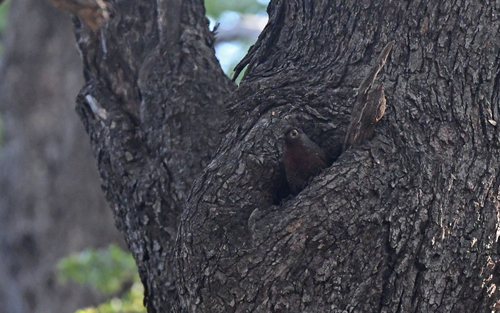 chestnut-throated huet-huet
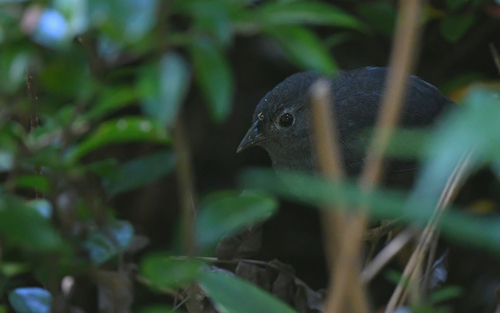 ochre-flanked tapaculo
Em resumo
A marca de campo mais confiável para separar o chestnut-throated huet-huet do ochre-flanked tapaculo é o tamanho: o huet-huet é vastamente maior e mais robusto, com uma constituição atarracada e uma garganta vermelha escura, enquanto o tapaculo é muito menor, mais compacto e apresenta flancos marrom-ocre e um ventrículo marrom-argila. O juvenil do ochre-flanked tapaculo é distintamente listrado de canela/rufous e cinza escuro, ao contrário de qualquer idade do huet-huet. Nos adultos, a barra de asa pálida e a garganta castanha do huet-huet contrastam com as partes superiores cinza escuro do tapaculo e seu perfil facial único. Ambos ocorrem em florestas semelhantes no sul da América do Sul, então a comparação direta é possível, mas a confusão é mais provável com vistas rápidas e ruins ou aves imaturas.
Dicas de identificação
- O tamanho é a pista mais imediata: O chestnut-throated huet-huet é quase cinco vezes mais pesado e muito mais longo que o ochre-flanked tapaculo. Se a ave parecer do tamanho de um tordo ou maior, é um huet-huet; se for do tamanho de um wren, é um tapaculo. Isso se aplica a todas as idades e sexos.
- A plumagem juvenil é diagnóstica: O jovem do ochre-flanked tapaculo é listrado de canela/rufous e cinza escuro por toda parte. Nenhum huet-huet, em qualquer idade, apresenta esse padrão. Se você ver uma ave pequena e listrada nesta região, é o tapaculo.
- Cor da garganta em adultos: O chestnut-throated huet-huet tem uma garganta vermelha escura (castanha), contrastando com seu corpo marrom escuro. A garganta do ochre-flanked tapaculo é cinza simples, combinando com o resto das partes inferiores.
- Barra de asa: O adulto huet-huet apresenta uma barra pálida na asa, visível quando empoleirado ou em voo. Essa marca está ausente no tapaculo em todas as idades.
- Cor dos flancos e ventrículo: O ochre-flanked tapaculo tem flancos marrom-tawny (ocre) e um ventrículo e abdômen marrom-argila, contrastando com suas partes inferiores cinzas. O huet-huet é uniformemente marrom escuro embaixo, exceto pela garganta castanha.
- Perfil facial: O tapaculo tem um perfil único de 'nariz romano', com uma testa e bico pronunciados e inclinados. O huet-huet tem uma cabeça e bico mais típicos, robustos e semelhantes a um tordo.
- Tom de cor geral: O huet-huet é marrom escuro em geral, enquanto o tapaculo é cinza escuro acima e cinza mais claro abaixo, com marrom restrito aos flancos e ventrículo.
- Estrutura e aparência: O huet-huet é atarracado, com um corpo pesado e arredondado e pernas fortes. O tapaculo é menor, mais compacto e pode parecer mais delicado.
- Em voo: A barra pálida na asa do huet-huet pode ser vista em voo, enquanto as asas do tapaculo são simples.
- Postura empoleirada: O huet-huet frequentemente aparece ereto e robusto, enquanto o tapaculo pode parecer mais horizontal e semelhante a um rato.
- Sobreposição de habitat: Ambos ocorrem em florestas semelhantes, então não confie apenas no habitat para identificação.
- Nenhum dimorfismo sexual notado: Ambas as espécies parecem semelhantes em ambos os sexos, então essas marcas se aplicam a machos e fêmeas.
- Voz não coberta: As vocalizações não são descritas nas notas, então não use canto ou chamada para separação com base nessas informações.
- Armadilhas: Vistas ruins de um juvenil tapaculo podem ser confundidas com um pequeno huet-huet de plumagem estranha, mas as listras são únicas. Por outro lado, uma ave grande e escura com uma garganta castanha e barra de asa é sempre um huet-huet.
- Distinção molecular: Essas espécies foram consideradas conspecíficas, mas agora se sabe que são distintas; não assuma formas intermediárias.
Tamanho
O chestnut-throated huet-huet é dramaticamente maior, com uma média de 165 g e 23 cm de comprimento, tornando-se o maior rinocryptídeo após as grandes antpittas [wikipedia]. O ochre-flanked tapaculo é muito menor, com adultos pesando cerca de 34,5 g e 14,5 cm de comprimento [wikidata][wikipedia]. No campo, o huet-huet parece robusto e corpulento, enquanto o tapaculo é compacto e visivelmente mais leve. Mesmo à distância, a diferença de tamanho é impressionante e deve ser aparente com binóculos se ambas as espécies forem conhecidas na área.
Plumagem
O juvenil do ochre-flanked tapaculo é fortemente listrado de canela/rufous e cinza escuro por toda parte, um padrão não encontrado em qualquer idade do chestnut-throated huet-huet. O adulto huet-huet é marrom escuro em geral, com uma garganta vermelha escura (castanha) distinta e uma barra de asa pálida; essa barra de asa está ausente no tapaculo. O adulto do ochre-flanked tapaculo é cinza escuro acima, cinza mais claro nas partes inferiores, com marrom-argila no abdômen e ventrículo, e flancos marrom-tawny. O tapaculo não possui nenhuma mancha na garganta ou barra de asa, e seu rosto é descrito como tendo um perfil de 'nariz romano', que é único entre os tapaculos. Ambas as espécies são escuras em geral, mas a garganta e a barra de asa do huet-huet, e os flancos e ventrículo ocre do tapaculo, são contrastes-chave.
Comportamento
O comportamento não é fortemente diagnóstico a partir das notas disponíveis. Ambas as espécies são aves furtivas, que habitam o solo, típicas da família Rhinocryptidae, e ambas podem ser vistas se movendo através de densa vegetação. O tamanho maior do huet-huet pode fazê-lo parecer mais lento e mais pesado, enquanto o tamanho menor do tapaculo pode fazê-lo parecer mais ágil ou semelhante a um rato, mas isso não é uma marca de campo confiável sem comparação direta.
Habitat
Ambas as espécies são encontradas no centro-sul do Chile e na Argentina ocidental adjacente, frequentemente em habitats florestais semelhantes [wikipedia]. O habitat sozinho não é um separador confiável, pois suas distribuições e ambientes preferidos se sobrepõem.
chestnut-throated huet-huet · ochre-flanked tapaculo · Minhas aves difíceis