

Chestnut-throated Huet-huet vs Ochre-flanked Tapaculo
Pteroptochos castaneus contro Eugralla paradoxa
Fai un quiz con Chestnut-throated Huet-huet e Ochre-flanked Tapaculo
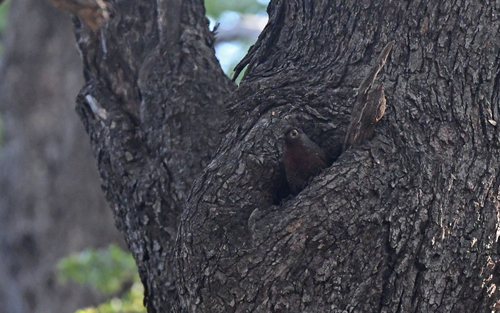 Chestnut-throated Huet-huet
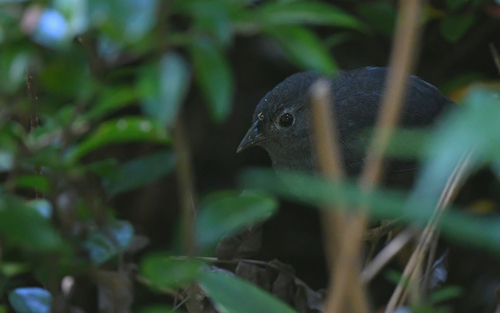 Ochre-flanked Tapaculo
In breve
Il segno di campo più affidabile per separare il Chestnut-throated Huet-huet dall'Ochre-flanked Tapaculo è la dimensione: il huet-huet è notevolmente più grande e massiccio, con una corporatura robusta e una gola di un rosso scuro, mentre il tapaculo è molto più piccolo, più compatto e presenta fianchi color ocra-marrone e un ventre color argilla-marrone. Il giovane Ochre-flanked Tapaculo è distintamente barrato di cannella/ruggine e grigio scuro, a differenza di qualsiasi età di huet-huet. Negli adulti, la barra alare di un buff pallido del huet-huet e la gola castagna contrastano con la parte superiore grigia scura del tapaculo e il suo profilo facciale unico. Entrambi si trovano in foreste simili del sud America meridionale, quindi è possibile un confronto diretto, ma la confusione è più probabile con visioni rapide e scadenti o uccelli immaturi.
Consigli di identificazione
- La dimensione è l'indizio più immediato: il Chestnut-throated Huet-huet è quasi cinque volte più pesante e molto più lungo dell'Ochre-flanked Tapaculo. Se l'uccello sembra delle dimensioni di un tordo o più grande, è un huet-huet; se è delle dimensioni di un scricciolo, è un tapaculo. Questo vale per tutte le età e i sessi.
- Il piumaggio giovanile è diagnostico: il giovane Ochre-flanked Tapaculo è barrato di cannella/ruggine e grigio scuro ovunque. Nessun huet-huet, a qualsiasi età, mostra questo schema. Se vedi un piccolo uccello barrato in questa regione, è il tapaculo.
- Colore della gola negli adulti: il Chestnut-throated Huet-huet ha una gola di un rosso scuro (castagna), che contrasta con il suo corpo marrone scuro. La gola dell'Ochre-flanked Tapaculo è grigia semplice, che corrisponde al resto delle parti inferiori.
- Barra alare: l'adulto huet-huet mostra una barra di buff pallido sull'ala, visibile quando è appollaiato o in volo. Questo segno è assente nel tapaculo a tutte le età.
- Colore dei fianchi e del ventre: l'Ochre-flanked Tapaculo ha fianchi color marrone-tawny (ocra) e un ventre e addome color argilla-marrone, che contrastano con le sue parti inferiori grigie. Il huet-huet è uniformemente marrone scuro sotto, tranne che per la gola castagna.
- Profilo facciale: il tapaculo ha un profilo unico a 'naso romano', con una fronte e un becco pronunciati e inclinati. Il huet-huet ha una testa e un becco più tipici e robusti, simili a quelli di un tordo.
- Tono di colore generale: il huet-huet è scuro complessivamente, mentre il tapaculo è grigio scuro sopra e grigio più chiaro sotto, con il marrone limitato ai fianchi e al ventre.
- Struttura e jizz: il huet-huet è massiccio, con un corpo pesante e arrotondato e gambe forti. Il tapaculo è più piccolo, più compatto e può apparire più delicato.
- In volo: la barra alare di buff pallido del huet-huet può essere intravista in volo, mentre le ali del tapaculo sono semplici.
- Postura appollaiata: il huet-huet appare spesso eretto e robusto, mentre il tapaculo può sembrare più orizzontale e simile a un topo.
- Sovrapposizione dell'habitat: entrambi si trovano in foreste simili, quindi non fare affidamento solo sull'habitat per l'identificazione.
- Nessun dimorfismo sessuale notato: entrambe le specie appaiono simili in entrambi i sessi, quindi questi segni si applicano a maschi e femmine.
- Voce non coperta: le vocalizzazioni non sono descritte nelle note, quindi non utilizzare il canto o il richiamo per la separazione basata su queste informazioni.
- Trappole: visioni scadenti di un giovane tapaculo possono essere scambiate per un piccolo huet-huet con piumaggio strano, ma la barratura è unica. Al contrario, un grande uccello scuro con una gola castagna e una barra alare è sempre un huet-huet.
- Distinzione molecolare: queste specie erano un tempo considerate conspecifiche, ma ora si sa che sono distinte; non assumere forme intermedie.
Taglia
Il Chestnut-throated Huet-huet è notevolmente più grande, con una media di 165 g e 23 cm di lunghezza, rendendolo il più grande rhinocryptid dopo le grandi antpitte [wikipedia]. L'Ochre-flanked Tapaculo è molto più piccolo, con adulti intorno ai 34,5 g e 14,5 cm di lunghezza [wikidata][wikipedia]. Sul campo, il huet-huet appare robusto e massiccio, mentre il tapaculo è compatto e notevolmente più leggero. Anche a distanza, il divario di dimensione è sorprendente e dovrebbe essere evidente con i binocoli se entrambe le specie sono conosciute nell'area.
Piumaggio
Il giovane Ochre-flanked Tapaculo è pesantemente barrato di cannella/ruggine e grigio scuro in tutto, un modello non trovato in nessuna età del Chestnut-throated Huet-huet. L'adulto huet-huet è complessivamente marrone scuro con una gola distintiva di un rosso scuro (castagna) e una barra alare di buff pallido; questa barra alare è assente nel tapaculo. L'adulto Ochre-flanked Tapaculo è grigio scuro sopra, grigio più chiaro sulle parti inferiori, con color argilla-marrone sull'addome e sul ventre, e fianchi color marrone-tawny. Il tapaculo non ha alcuna macchia alla gola o barra alare, e il suo viso è descritto come avente un profilo a 'naso romano', che è unico tra i tapaculos. Entrambe le specie sono complessivamente scure, ma la gola e la barra alare del huet-huet, e i fianchi e il ventre ocra del tapaculo, sono contrasti chiave.
Comportamento
Il comportamento non è fortemente diagnostico dalle note disponibili. Entrambe le specie sono uccelli schivi, terrestri tipici della famiglia Rhinocryptidae, e possono essere visti muoversi attraverso la fitta vegetazione. La maggiore dimensione del huet-huet può farlo apparire più lento e ponderoso, mentre la dimensione più piccola del tapaculo potrebbe farlo sembrare più agile o simile a un topo, ma questo non è un segno di campo affidabile senza un confronto diretto.
Habitat
Entrambe le specie si trovano nel Cile centro-meridionale e nell'Argentina occidentale adiacente, spesso in habitat forestali simili [wikipedia]. L'habitat da solo non è un separatore affidabile, poiché i loro areali e ambienti preferiti si sovrappongono.
Chestnut-throated Huet-huet · Ochre-flanked Tapaculo · I miei uccelli difficili