

burchell's starling vs meves's starling
Lamprotornis australis versus Lamprotornis mevesii
Jogue um quiz com burchell's starling e meves's starling
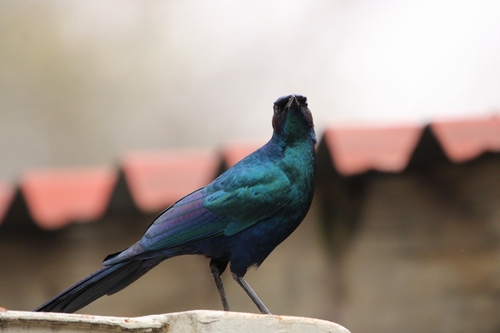 burchell's starling
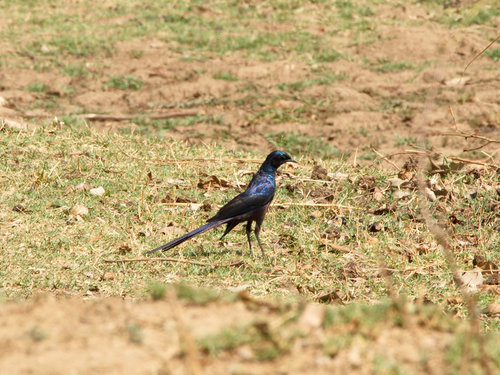 meves's starling
Em resumo
A marca de campo mais confiável para separar essas duas estirnas brilhantes é a cauda: a estirna de Meves tem uma cauda muito mais longa e fortemente graduada, com as penas centrais visivelmente mais longas do que as externas, enquanto a estirna de Burchell tem uma cauda mais curta e menos graduada. Ambas as espécies são de tamanho semelhante e compartilham plumagem iridescente, mas a estirna de Meves frequentemente parece mais escura em luz fraca e mostra um brilho mais intenso em condições de luz brilhante. A cor dos olhos também é útil: a estirna de Meves tem olhos escuros, o que pode ajudar a distingui-la de outras estirnas de cauda longa, embora não da de Burchell. A sobreposição de habitat é extensa, então características estruturais e de plumagem são fundamentais para uma identificação confiante, especialmente em bandos mistos ou áreas sobrepostas.
Dicas de identificação
- Comprimento e graduação da cauda: a estirna de Meves tem uma cauda muito mais longa com uma forma fortemente graduada—as penas centrais da cauda são as mais longas, com cada par mais curto em direção às bordas. Esta é a marca mais confiável, visível tanto empoleirada quanto em voo, e se aplica a todas as idades e sexos.
- Forma da cauda em voo: ao voar, a cauda da estirna de Meves parece visivelmente mais longa e mais afilada, enquanto a cauda da estirna de Burchell é mais curta e mais quadrada.
- Silhueta geral: a estirna de Meves parece mais alongada e esbelta devido à sua cauda longa, enquanto a estirna de Burchell parece mais robusta e compacta.
- Variação do brilho da plumagem: a estirna de Meves pode parecer quase preta em luz fraca, mas em luz brilhante mostra um forte brilho iridescente que varia por subespécie (de marrom opaco a verde-azulado intenso ou violeta). A estirna de Burchell é brilhante, mas menos variável e carece do brilho extremo de algumas subespécies de Meves.
- Variação subspecífica (apenas Meves): se você encontrar uma estirna com brilho violeta ou marrom opaco, é provável que seja uma estirna de Meves da subespécie violacior ou benguelensis, respectivamente. A de Burchell não apresenta essa variação.
- Cor dos olhos: a estirna de Meves tem olhos escuros, o que ajuda a separá-la de outras estirnas de cauda longa, mas não da de Burchell, que também tem olhos escuros. Isso não é útil para separar essas duas, mas pode ajudar a eliminar confusões com outras espécies.
- Contexto de habitat: se vista em floresta de mopane ou ao longo de bacias fluviais, especialmente em áreas que inundam sazonalmente, a estirna de Meves é mais provável. A de Burchell é encontrada em uma gama mais ampla de florestas e savanas, mas a sobreposição de habitat significa que isso é apenas uma pista de apoio.
- Comportamento em bandos: a estirna de Meves é frequentemente vista em pequenos bandos ativos. Se você ver um grupo de estirnas brilhantes de cauda longa, verifique a graduação da cauda para confirmar a de Meves.
- Estrutura do bico e cabeça: nenhuma diferença significativa é notada nas fontes; ambas têm bicos e formas de cabeça típicos de estirnas.
- Plumagem juvenil/imatura: nenhuma marca distintiva de asa ou corpo juvenil ou imaturo é descrita para qualquer uma das espécies nas fontes disponíveis. A idade não é um separador confiável em campo para essas duas.
- Vocalizações: nenhuma diferença diagnóstica é descrita nas fontes; não confie na voz para separação.
- Diferenças sazonais ou sexuais: nenhuma diferença de plumagem ou estrutural sazonal ou baseada em sexo é notada para qualquer uma das espécies.
- Armadilha—outras estirnas de cauda longa: se você ver uma estirna de cauda longa com olhos claros, não é a de Meves ou a de Burchell, mas outra espécie de Lamprotornis. Para essas duas, concentre-se na graduação e comprimento da cauda.
- Armadilha—condições de iluminação: ambas as espécies podem parecer escuras em luz fraca; sempre verifique a estrutura e o comprimento da cauda em vez de confiar na cor ou brilho geral.
- Armadilha—bandos mistos: em áreas de sobreposição, ambas as espécies podem ocorrer juntas. Sempre confirme a identificação com a estrutura da cauda, não apenas com habitat ou comportamento em bandos.
Tamanho
Ambas as espécies são quase idênticas em massa corporal (Estirna de Burchell: 80,0g, Estirna de Meves: 79,6g) e são semelhantes em volume geral. No entanto, a estirna de Meves é notavelmente mais longa em comprimento total (30–36 cm) devido à sua cauda alongada, o que a faz parecer mais esbelta e alongada, especialmente quando empoleirada ou em voo. A estirna de Burchell é mais compacta, com uma cauda proporcionalmente mais curta, dando-lhe uma aparência mais robusta.
Plumagem
Nenhuma marca de asa ou voo juvenil específica para idade é descrita nas fontes para qualquer uma das espécies. Ambas as espécies são brilhantes e iridescentes, mas a estirna de Meves mostra mais variação entre suas subespécies: algumas são mais opacas e marrons (benguelensis), outras têm um brilho violeta (violacior), e a nominada é intensamente verde e azul com um pouco de bronze nas flancos. Em luz fraca, a estirna de Meves pode parecer quase preta, enquanto em luz brilhante o brilho é mais pronunciado. A estirna de Burchell é consistentemente brilhante, mas carece da graduação extrema da cauda e da variação de brilho subspecífica da estirna de Meves. A cor dos olhos é escura na estirna de Meves, o que é útil para separá-la de outras estirnas de cauda longa, mas não da de Burchell. Nenhuma menção é feita de diferenças de plumagem sazonais ou baseadas em sexo, nem de padrões de asa juvenis ou imaturos distintivos.
Comportamento
A estirna de Meves é frequentemente vista em pequenos bandos, especialmente em florestas de mopane e ao longo de bacias fluviais, às vezes em áreas inundadas sazonalmente. A estirna de Burchell é descrita como monogâmica e presumivelmente sedentária, sem comportamento específico de bandos ou forrageamento notado. Em campo, a de Meves pode parecer mais ativa e social, especialmente em habitats florestais adequados.
Habitat
Ambas as espécies se sobrepõem extensivamente no sul da África, com a estirna de Meves encontrada em Angola, Botswana, Malawi, Moçambique, Namíbia, África do Sul, Zâmbia e Zimbábue, e a estirna de Burchell nativa de florestas secas e mesófilas e savanas do sul da África. A estirna de Meves está mais associada a florestas de mopane e áreas ribeirinhas, especialmente aquelas que inundam na estação chuvosa, enquanto a estirna de Burchell é encontrada em uma gama mais ampla de habitats florestais e de savana. No entanto, o habitat sozinho não é diagnóstico devido à sobreposição significativa.
burchell's starling · meves's starling · Minhas aves difíceis