

Motmot

コシアカテリムク 対 シマオオナガテリムク

Lamprotornis australis 対 Lamprotornis mevesii

コシアカテリムクとシマオオナガテリムクのクイズ
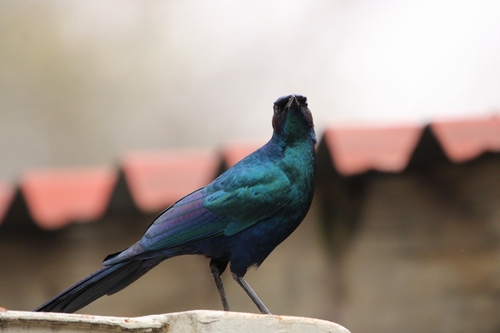
コシアカテリムク (Lamprotornis australis) コシアカテリムク
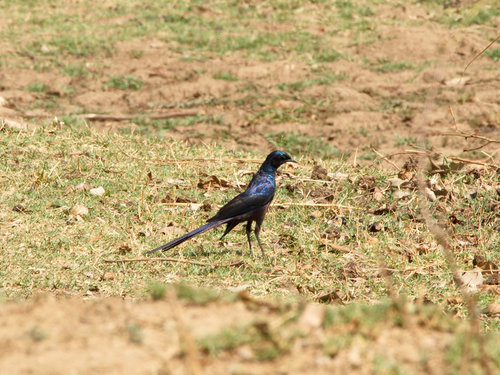
シマオオナガテリムク (Lamprotornis mevesii) シマオオナガテリムク

メディア

読み込み中…

要点

この2種の光沢のあるスターリングを区別する最も信頼できるフィールドマークは尾です:シマオオナガテリムクは、中央の羽が外側の羽よりも明らかに長く、非常に長く、強く段階的な尾を持っていますが、コシアカテリムクは短く、段階的でない尾を持っています。両種はサイズが似ており、虹色の羽毛を共有していますが、シマオオナガテリムクは鈍い光の中でしばしば暗く見え、明るい条件ではより強い光沢を示します。目の色も役立ちます:シマオオナガテリムクは暗い目を持ち、他のオナガカラスモドキと区別するのに役立ちますが、コシアカテリムクとは区別できません。生息地の重複は広範囲にわたるため、構造的および羽毛の特徴が自信を持って識別するための鍵となります。特に混合群れや重複範囲で。

識別のコツ

  1. 尾の長さと段階性:シマオオナガテリムクは、非常に長い尾を持ち、強く段階的な形状をしています。中央の尾羽が最も長く、各ペアは端に向かって短くなります。これは、止まっているときも飛んでいるときも見える、最も信頼できるマークであり、すべての年齢と性別に適用されます。
  2. 飛行中の尾の形:飛んでいるとき、シマオオナガテリムクの尾は明らかに長く、先細りに見えますが、コシアカテリムクの尾は短く、より四角い形をしています。
  3. 全体的なシルエット:シマオオナガテリムクは長い尾のためにより細長く見えますが、コシアカテリムクはよりがっしりとしていてコンパクトに見えます。
  4. 羽毛の光沢の変化:シマオオナガテリムクは、悪い光の中でほぼ黒く見えることがありますが、明るい光の中では亜種によって異なる強い虹色の光沢を示します(鈍い茶色から強い緑青または紫色まで)。コシアカテリムクは光沢がありますが、変動が少なく、シマオオナガテリムクの一部の亜種の極端な光沢は欠けています。
  5. 亜種の変異(シマオオナガテリムクのみ):紫色または鈍い茶色の光沢を持つスターリングに出会った場合、それはおそらくシマオオナガテリムクのviolaciorまたはbenguelensis亜種です。コシアカテリムクはこの変異を示しません。
  6. 目の色:シマオオナガテリムクは暗い目を持ち、他のオナガカラスモドキと区別するのに役立ちますが、コシアカテリムクも暗い目を持っています。これはこの2種を区別するのには役立ちませんが、他の種との混同を排除するのに役立つかもしれません。
  7. 生息地の文脈:モパネ林や河川流域で見られた場合、特に季節的に洪水が発生する地域では、シマオオナガテリムクの可能性が高いです。コシアカテリムクはより広範な森林やサバンナに見られますが、生息地の重複があるため、これはあくまで補助的な手がかりです。
  8. 群れの行動:シマオオナガテリムクはしばしば小さく活発な群れで見られます。長尾の光沢のあるスターリングの群れを見た場合、尾の段階性を確認してシマオオナガテリムクを確認してください。
  9. くちばしと頭の構造:情報源には重要な違いは記載されていません。両者は典型的なスターリングのくちばしと頭の形を持っています。
  10. 幼鳥/未成熟の羽毛:利用可能な情報源には、どちらの種についても特有の幼鳥や未成熟の翼や体のマークは記載されていません。年齢はこれら2種をフィールドで区別するための信頼できる手段ではありません。
  11. 鳴き声:情報源には診断的な違いは記載されていません。区別のために声に頼らないでください。
  12. 季節的または性別による違い:どちらの種についても季節的または性別に基づく羽毛や構造の違いは記載されていません。
  13. 落とし穴—他のオナガカラスモドキ:目が淡いオナガカラスモドキを見た場合、それはシマオオナガテリムクでもコシアカテリムクでもなく、別のLamprotornis種です。この2種については、尾の段階性と長さに焦点を当ててください。
  14. 落とし穴—照明条件:両種は悪い光の中で暗く見えることがあります。常に尾の構造と長さを確認し、全体的な色や光沢に頼らないでください。
  15. 落とし穴—混合群れ:重複地域では、両種が一緒に見られることがあります。常に尾の構造で識別を確認し、生息地や群れの行動だけに頼らないでください。

大きさ

両種は体重がほぼ同じで(コシアカテリムク:80.0g、シマオオナガテリムク:79.6g)、全体的な体格も似ています。しかし、シマオオナガテリムクは尾が長いため、全長が顕著に長く(30〜36 cm)、特に止まっているときや飛んでいるときに細長く見えます。コシアカテリムクはよりコンパクトで、相対的に短い尾を持ち、がっしりとした外観を与えます。

羽色

どちらの種についても年齢特有の上翼や幼鳥の飛行マークは情報源に記載されていません。両種は光沢があり虹色ですが、シマオオナガテリムクは亜種間でより多くの変化を示します:一部は鈍く茶色(benguelensis)、他は紫色の光沢(violacior)を持ち、標準種は側面にいくらかの青銅を持つ強い緑と青です。鈍い光の中では、シマオオナガテリムクはほぼ黒く見えることがありますが、明るい光の中では光沢がより際立ちます。コシアカテリムクは一貫して光沢がありますが、シマオオナガテリムクの極端な尾の段階性や亜種の光沢の変化は欠けています。目の色はシマオオナガテリムクでは暗く、他のオナガカラスモドキと区別するのに役立ちますが、コシアカテリムクとは区別できません。季節的または性別に基づく羽毛の違いや、特有の幼鳥や未成熟の翼のパターンについては言及されていません。

行動

シマオオナガテリムクはしばしば小さな群れで見られ、特にモパネ林や河川流域、時には季節的に洪水が発生する地域で見られます。コシアカテリムクは一夫一妻制であるとされ、特に群れや採餌行動については特記されていません。フィールドでは、シマオオナガテリムクは特に適した森林生息地でより活発で社交的に見えることがあります。

生息環境

両種は南アフリカで広範囲に重複しており、シマオオナガテリムクはアンゴラ、ボツワナ、マラウイ、モザンビーク、ナミビア、南アフリカ、ザンビア、ジンバブエに分布し、コシアカテリムクは南アフリカの乾燥および湿潤な森林やサバンナに生息しています。シマオオナガテリムクはモパネ林や河川地域により密接に関連しており、特に雨季に洪水が発生する地域で見られますが、コシアカテリムクはより広範な森林やサバンナの生息地に見られます。しかし、生息地だけでは重要な診断基準にはなりません。

より良い説明を送る

比較と同じ項目を使ってください。文章はすぐに公開されます。

The most reliable field mark to separate these two glossy starlings is the tail: Meves's Starling has a much longer, strongly graduated tail, with the central feathers noticeably longer than the outer ones, while Burchell's Starling has a shorter, less graduated tail. Both species are similarly sized and share iridescent plumage, but Meves's Starling often appears darker in dull light and shows more intense gloss in bright conditions. Eye color is also helpful: Meves's Starling has dark eyes, which can help distinguish it from other long-tailed starlings, though not from Burchell's. Habitat overlap is extensive, so structural and plumage features are key for confident identification, especially in mixed flocks or overlapping ranges.

  1. Tail length and graduation: Meves's Starling has a much longer tail with a strongly graduated shape—central tail feathers are the longest, with each pair shorter toward the edges. This is the single most reliable mark, visible both perched and in flight, and applies to all ages and sexes.
  2. Tail shape in flight: When flying, Meves's Starling's tail appears noticeably longer and more tapered, while Burchell's Starling's tail is shorter and more squared-off.
  3. Overall silhouette: Meves's Starling looks more elongated and slender due to its long tail, while Burchell's Starling appears stockier and more compact.
  4. Plumage gloss variation: Meves's Starling can look nearly black in poor light, but in bright light shows a strong iridescent gloss that varies by subspecies (from dull brownish to intense green-blue or violet-purple). Burchell's Starling is glossy but less variable and lacks the extreme gloss of some Meves's subspecies.
  5. Subspecific variation (Meves's only): If you encounter a starling with a violet-purple or dull brown gloss, it is likely a Meves's Starling of the violacior or benguelensis subspecies, respectively. Burchell's does not show this variation.
  6. Eye color: Meves's Starling has dark eyes, which helps separate it from other long-tailed starlings, but not from Burchell's, which also has dark eyes. This is not useful for separating these two, but may help rule out confusion with other species.
  7. Habitat context: If seen in mopane woodland or along river basins, especially in areas that flood seasonally, Meves's Starling is more likely. Burchell's is found in a wider range of woodland and savannah, but habitat overlap means this is only a supporting clue.
  8. Flocking behavior: Meves's Starling is often in small, active flocks. If you see a group of long-tailed glossy starlings, check for tail graduation to confirm Meves's.
  9. Bill and head structure: No significant differences are noted in the sources; both have typical starling bills and head shapes.
  10. Juvenile/immature plumage: No distinctive juvenile or immature wing or body marks are described for either species in the available sources. Age is not a reliable separator in the field for these two.
  11. Vocalizations: No diagnostic differences are described in the sources; do not rely on voice for separation.
  12. Seasonal or sex differences: No seasonal or sex-based plumage or structural differences are noted for either species.
  13. Pitfall—other long-tailed starlings: If you see a long-tailed starling with pale eyes, it is not Meves's or Burchell's, but another Lamprotornis species. For these two, focus on tail graduation and length.
  14. Pitfall—lighting conditions: Both species can appear dark in poor light; always check tail structure and length rather than relying on overall color or gloss.
  15. Pitfall—mixed flocks: In areas of overlap, both species may occur together. Always confirm identification with tail structure, not just habitat or flocking behavior.

Both species are nearly identical in body mass (Burchell's Starling: 80.0g, Meves's Starling: 79.6g) and are similar in overall bulk. However, Meves's Starling is notably longer in total length (30–36 cm) due to its elongated tail, which makes it appear more slender and elongated, especially when perched or in flight. Burchell's Starling is more compact, with a proportionally shorter tail, giving it a stockier appearance.

No age-specific upperwing or juvenile flight marks are described in the sources for either species. Both species are glossy and iridescent, but Meves's Starling shows more variation among its subspecies: some are duller and browner (benguelensis), others have a violet-purple gloss (violacior), and the nominate is intensely green-and-blue with some bronze on the flanks. In dull light, Meves's Starling can look almost black, while in bright light the gloss is more pronounced. Burchell's Starling is consistently glossy but lacks the extreme tail graduation and subspecific gloss variation of Meves's. Eye color is dark in Meves's Starling, which is useful for separating it from other long-tailed starlings, but not from Burchell's. No mention is made of seasonal or sex-based plumage differences, nor of distinctive juvenile or immature wing patterns.

Meves's Starling is often seen in small flocks, especially in mopane woodland and along river basins, sometimes in seasonally flooded areas. Burchell's Starling is described as monogamous and presumably sedentary, with no specific flocking or foraging behavior noted. In the field, Meves's may appear more active and social, especially in suitable woodland habitats.

Both species overlap extensively in southern Africa, with Meves's Starling found across Angola, Botswana, Malawi, Mozambique, Namibia, South Africa, Zambia, and Zimbabwe, and Burchell's Starling native to dry and mesic woodlands and savannah of southern Africa. Meves's Starling is more closely associated with mopane woodland and riverine areas, especially those that flood in the rainy season, while Burchell's Starling is found in a broader range of woodland and savannah habitats. However, habitat alone is not diagnostic due to significant overlap.

変更を破棄しますか?

保存していない編集があります。今離れると失われます。

コシアカテリムク · シマオオナガテリムク · 苦手な鳥