

bronzy hermit vs band-tailed barbthroat
Glaucis aeneus versus Threnetes ruckeri
Jogue um quiz com bronzy hermit e band-tailed barbthroat
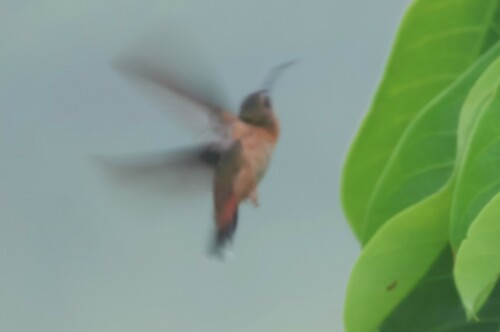 bronzy hermit
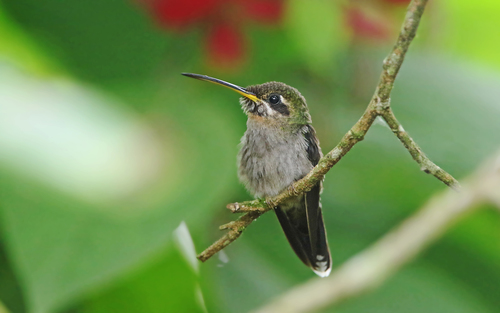 band-tailed barbthroat
Em resumo
A marca de campo mais confiável para separar o bronzy hermit do band-tailed barbthroat é o padrão da cauda: o bronzy hermit apresenta uma cauda superior cinza-esverdeada com pontas brancas e um lado inferior avermelhado próximo à base, enquanto o band-tailed barbthroat tem uma cauda escura com bases e pontas brancas distintas, criando uma forte faixa preta perto da extremidade. A forma do bico também difere: o bico do bronzy hermit é claramente curvado para baixo (especialmente nas fêmeas), enquanto o bico do band-tailed barbthroat é quase reto (machos) ou apenas levemente curvado para baixo (fêmeas). Ambas as espécies compartilham partes superiores verde-bronzeadas e uma faixa bigode pálida, mas a coloração da garganta e do ventre, assim como o contraste das partes inferiores, ajudam em boa luz. O tamanho e a estrutura se sobrepõem, mas o band-tailed barbthroat é ligeiramente maior e mais pesado. Em voo ou empoleirado, concentre-se no padrão da cauda e na forma do bico para a separação mais consistente.
Dicas de identificação
- O padrão da cauda é a marca de campo mais confiável: O bronzy hermit tem uma cauda superior cinza-esverdeada com pontas brancas e um lado inferior avermelhado próximo à base; a cauda do band-tailed barbthroat é escura com bases e pontas brancas, criando uma forte faixa preta perto da extremidade. Isso é visível tanto em vistas empoleiradas quanto com a cauda aberta, e se aplica a todas as idades.
- A forma do bico é uma diferença estrutural chave: O bico do bronzy hermit é distintamente curvado para baixo (especialmente nas fêmeas), enquanto o do band-tailed barbthroat é quase reto nos machos e apenas levemente curvado para baixo nas fêmeas. Procure por isso de perfil, especialmente quando o pássaro está se alimentando ou se limpando.
- Padrão facial: Ambos têm uma faixa bigode pálida, mas o rosto do bronzy hermit é de outra forma escuro, enquanto o band-tailed barbthroat apresenta uma mancha escura na orelha e queixo com uma faixa malar escura. O efeito geral é mais contraste no rosto do band-tailed barbthroat.
- Cor da garganta e das partes inferiores: O bronzy hermit tem uma garganta e peito de um buff profundo com um ventre de buff pálido, dando uma aparência quente e uniforme. A garganta do band-tailed barbthroat é ocrácea (às vezes laranja brilhante em algumas subespécies), com partes inferiores cinzas e algumas penas verdes, criando mais contraste entre a garganta e o ventre.
- Variação subspecífica no band-tailed barbthroat: Em populações do norte (T. r. ventosus), a garganta pode ser laranja brilhante e o ventre com tons ocráceos, mas o padrão da cauda permanece um separador constante.
- Marcas juvenis/imaturas: Jovens band-tailed barbthroats têm bordas de penas ocráceas, o que pode dar uma aparência mais quente ou mais manchada às partes inferiores. Os juvenis do bronzy hermit não são descritos como diferentes dos adultos nas notas.
- Tamanho relativo: O band-tailed barbthroat é ligeiramente maior e mais pesado, mas isso é sutil e não confiável a menos que ambos sejam vistos juntos.
- Preferência de habitat: O band-tailed barbthroat pode ser encontrado em habitats mais abertos ou perturbados (arbustos, plantações), enquanto o bronzy hermit está mais ligado a florestas úmidas e bordas. Em zonas de sobreposição, isso pode ajudar, mas não é definitivo.
- Vocalizações: Se você ouvir uma canção rápida, aguda e de múltiplas notas com trilos, é provável que seja o band-tailed barbthroat. A voz do bronzy hermit não é descrita nas notas.
- Dimorfismo sexual: Ambas as espécies têm plumagem semelhante em ambos os sexos, mas a fêmea do bronzy hermit tem um bico mais fortemente curvado para baixo, e o bico da fêmea do band-tailed barbthroat é apenas levemente mais curvado do que o do macho.
- Comportamento alimentar: Ambos são alimentadores em linha de armadilha e podem roubar néctar, então o comportamento nas flores não é um separador.
- Jizz empoleirado: Ambos podem parecer semelhantes quando empoleirados, mas a combinação da forma do bico e do padrão da cauda deve sempre ser verificada.
- Em voo: O padrão da cauda é frequentemente visível em voo, especialmente quando o pássaro abre a cauda enquanto paira ou pousa.
- Armadilhas: Faixas sobrepostas e partes superiores verde-bronzeadas semelhantes podem causar confusão; sempre verifique a cauda e o bico, não apenas a cor geral.
- Quando em dúvida: Se você não consegue ver claramente o padrão da cauda ou a forma do bico, evite fazer uma identificação positiva, pois a plumagem sozinha (especialmente as partes superiores) pode ser enganosa.
Tamanho
O band-tailed barbthroat é marginalmente maior, medindo 10–11 cm de comprimento e pesando 5–7 g, enquanto o bronzy hermit mede 9–10 cm e pesa 3–6,5 g (machos) ou 3–6 g (fêmeas) [wikipedia]. A diferença é sutil e nem sempre óbvia em campo, mas o band-tailed barbthroat pode parecer mais robusto e com cauda mais longa quando vistos lado a lado. Ambos são de tamanho médio para beija-flores hermit, então o tamanho sozinho raramente é diagnóstico, a menos que ambos estejam juntos.
Plumagem
As plumagens juvenis e imaturas não são fortemente diferenciadas entre essas duas espécies nas notas disponíveis, mas algumas marcas relacionadas à idade podem ajudar. Jovens band-tailed barbthroats têm bordas de penas ocráceas, o que pode dar uma aparência mais quente ou mais manchada à garganta e partes inferiores. O bronzy hermit adulto de todas as idades apresenta partes superiores verde-bronzeadas ou cobreadas, uma garganta e peito de um buff profundo, e um ventre de buff pálido, com um bigode branco e rosto escuro. Sua cauda é cinza-esverdeada acima com pontas brancas e avermelhadas abaixo próximo à base. Os adultos do band-tailed barbthroat têm partes superiores verde-bronzeadas, uma mancha escura na orelha e queixo, e uma faixa malar escura; a garganta é ocrácea (especialmente em algumas subespécies), e as partes inferiores são cinzas com algumas penas verdes. Sua cauda é escura com bases e pontas brancas, formando uma forte faixa preta perto da extremidade—esta é a marca de campo mais distintiva em todas as idades. As fêmeas de ambas as espécies são semelhantes aos machos, mas com menos contraste e, no band-tailed barbthroat, um bico levemente mais curvado para baixo. A variação subspecífica no band-tailed barbthroat pode afetar a cor da garganta (de ocrácea a laranja brilhante), mas o padrão da cauda permanece consistente.
Comportamento
Ambas as espécies são típicas de beija-flores hermit, alimentando-se em circuitos de flores e ocasionalmente roubando néctar. O band-tailed barbthroat é notado por se alimentar em Heliconia e às vezes perfurar a base das flores. Ambas as espécies são geralmente observadas no sub-bosque ou nas bordas da floresta, frequentemente baixas ao chão. Não há uma diferença comportamental forte em voo ou estilo de alimentação que seja diagnóstica para separação.
Habitat
Ambas as espécies se sobrepõem amplamente na América Central (Costa Rica, Panamá, Nicarágua, Honduras, Colômbia, Equador). O band-tailed barbthroat tem uma faixa ligeiramente mais ampla, estendendo-se para Belize, Guatemala, Venezuela e oeste do Equador, e é encontrado em uma variedade mais ampla de habitats, incluindo arbustos semi-abertos, matas, plantações e bordas de florestas até 1.200 m de altitude. O bronzy hermit está mais estritamente associado a florestas úmidas e bordas de florestas. Em áreas de sobreposição, o habitat não é um separador confiável, mas o band-tailed barbthroat pode ser mais provável em habitats mais abertos ou perturbados.
Voz
O band-tailed barbthroat tem uma canção distintiva: uma frase rápida e aguda de 5–10 notas, como 'tzi-tzi-tsee-ee-tsi-tzi-tzi', repetida com intervalos de vários segundos. A população da encosta do Pacífico na Costa Rica tem uma canção mais complexa com trilos. Nenhuma descrição vocal é fornecida para o bronzy hermit nas notas, então a voz não é um separador confiável, a menos que a canção do band-tailed barbthroat seja ouvida.
bronzy hermit · band-tailed barbthroat · Minhas aves difíceis