

Motmot

ブロンズハチドリ 対 オビオヒゲハチドリ

Glaucis aeneus 対 Threnetes ruckeri

ブロンズハチドリとオビオヒゲハチドリのクイズ
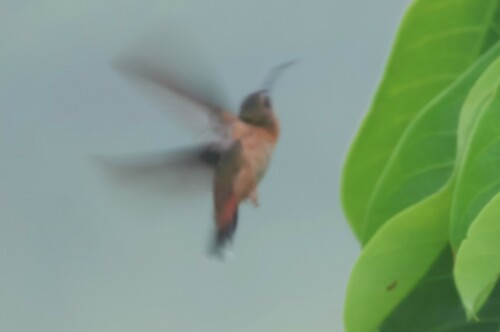
ブロンズハチドリ (Glaucis aeneus) ブロンズハチドリ
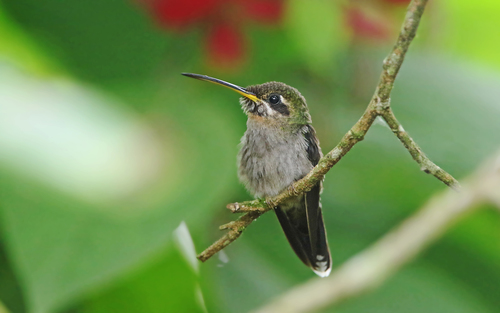
オビオヒゲハチドリ (Threnetes ruckeri) オビオヒゲハチドリ

メディア

読み込み中…

要点

ブロンズハチドリとオビオヒゲハチドリを区別する最も信頼できるフィールドマークは尾のパターンです:ブロンズハチドリは白い先端を持つ灰緑色の上尾と、基部付近に赤みを帯びた腹面を示しますが、オビオヒゲハチドリは特徴的な白い基部と先端を持つ暗い尾を持ち、尾の先端近くに強い黒い帯を形成しています。くちばしの形状も異なります:ブロンズハチドリは明確に下向きのくちばしを持ち(特に雌)、オビオヒゲハチドリのくちばしはほぼ真っ直ぐ(雄)またはわずかに下向き(雌)です。両種はブロンズ緑色の上面と淡い口ひげ模様を共有していますが、喉と腹の色合い、ならびに下部のコントラストが良い光の中で役立ちます。サイズと構造は重なりますが、オビオヒゲハチドリはわずかに大きく、重いです。飛行中または止まっているときは、最も一貫した区別のために尾のパターンとくちばしの形状に注目してください。

識別のコツ

  1. Tail pattern is the single most reliable field mark: ブロンズハチドリは白い先端を持つ灰緑色の上尾と、基部付近に赤みを帯びた腹面を示します;オビオヒゲハチドリの尾は暗く、白い基部と先端を持ち、尾の先端近くに強い黒い帯を形成します。これは止まっているときと尾を広げたときの両方で見ることができ、すべての年齢に適用されます。
  2. Bill shape is a key structural difference: ブロンズハチドリのくちばしは明確に下向き(特に雌)ですが、オビオヒゲハチドリのくちばしは雄ではほぼ真っ直ぐで、雌ではわずかに下向きです。特に鳥が餌を食べたり羽繕いをしているときに、横から見て確認してください。
  3. Facial pattern: 両種は淡い口ひげ模様を持っていますが、ブロンズハチドリの顔は他は暗いです。一方、オビオヒゲハチドリは暗い耳の斑点と顎、そして暗いマラーストライプを示します。全体的な効果はオビオヒゲハチドリの顔においてよりコントラストが強いです。
  4. Throat and underparts color: ブロンズハチドリは深いバフ色の喉と胸を持ち、淡いバフ色の腹を持ち、温かく均一な外観を与えます。オビオヒゲハチドリの喉はオクラ色(時には一部の亜種で明るいオレンジ色)で、灰色の下部といくつかの緑色の羽毛を持ち、喉と腹の間により多くのコントラストを生み出します。
  5. Subspecific variation in オビオヒゲハチドリ: 北部の個体群(T. r. ventosus)では、喉が明るいオレンジ色で腹がオクラ色がかることがありますが、尾のパターンは常に区別の要素です。
  6. Juvenile/immature marks: 若いオビオヒゲハチドリはオクラ色の羽毛の縁を持ち、下部により温かく、まだらな外観を与えることがあります。ブロンズハチドリの幼鳥は、ノートにおいて成鳥と異なるとは記載されていません。
  7. Relative size: オビオヒゲハチドリはわずかに大きく、重いですが、これは微妙であり、両方が一緒に見られない限り信頼できません。
  8. Habitat preference: オビオヒゲハチドリはより開けたまたは乱れた生息地(低木地、プランテーション)で見られることがありますが、ブロンズハチドリは湿った森林とその縁により結びついています。重なり合うゾーンでは、これが役立つことがありますが、決定的ではありません。
  9. Vocalizations: もし速く、高音で、多音の歌がトリルを伴って聞こえたら、それはおそらくオビオヒゲハチドリです。ブロンズハチドリの声はノートに記載されていません。
  10. Sexual dimorphism: 両種は両性において似た羽毛を持っていますが、雌のブロンズハチドリはより強く下向きのくちばしを持ち、雌のオビオヒゲハチドリのくちばしは雄よりわずかに下向きです。
  11. Feeding behavior: 両種はトラップラインフィーダーであり、花から蜜を盗むこともあるため、花での行動は区別要素ではありません。
  12. Perched jizz: 両種は止まっているときに似て見えることがありますが、くちばしの形状と尾のパターンの組み合わせは常に確認する必要があります。
  13. In flight: 尾のパターンは飛行中によく見え、特に鳥がホバリングまたは着陸する際に尾を広げるときに見えます。
  14. Pitfalls: 重なり合う範囲と似たブロンズ緑色の上面は混乱を引き起こす可能性があります;常に尾とくちばしを確認し、全体の色だけを見ないでください。
  15. When in doubt: 尾のパターンやくちばしの形状が明確に見えない場合は、ポジティブな同定を避けてください。羽毛だけ(特に上面)が誤解を招くことがあります。

大きさ

オビオヒゲハチドリはわずかに大きく、長さは10〜11 cm、重さは5〜7 gで、ブロンズハチドリは9〜10 cm、重さは3〜6.5 g(雄)または3〜6 g(雌)です [wikipedia]。この違いは微妙であり、現場では常に明らかではありませんが、オビオヒゲハチドリは並んで見るとより大きく、尾が長く見えることがあります。両者はハチドリの中では中型であり、サイズだけでは診断的ではありません。

羽色

幼鳥と未熟な羽毛は、利用可能なノートの中でこの2種の間で強く区別されていませんが、いくつかの年齢関連のマークが役立つことがあります。若いオビオヒゲハチドリはオクラ色の羽毛の縁を持ち、喉と下部により温かく、まだらな外観を与えることがあります。すべての年齢の成鳥ブロンズハチドリは、ブロンズまたは銅色の緑色の上面、深いバフ色の喉と胸、淡いバフ色の腹を持ち、白い口ひげと暗い顔を持っています。その尾は上面が灰緑色で白い先端を持ち、基部近くが赤みを帯びています。成鳥オビオヒゲハチドリはブロンズ緑色の上面、暗い耳の斑点と顎、暗いマラーストライプを持ち、喉はオクラ色(特に一部の亜種で)、下部は灰色でいくつかの緑色の羽毛を持っています。その尾は暗く、白い基部と先端を持ち、尾の先端近くに強い黒い帯を形成します—これはすべての年齢において最も特徴的なフィールドマークです。両種の雌は雄に似ていますが、コントラストが少なく、オビオヒゲハチドリではわずかに下向きのくちばしを持っています。オビオヒゲハチドリの亜種変異は喉の色に影響を与えることがありますが(オクラ色から明るいオレンジ色まで)、尾のパターンは一貫しています。

行動

両種は典型的なハチドリであり、花のトラップライン回路で餌を食べ、時折蜜を盗みます。オビオヒゲハチドリはヘリコニアで餌を食べることで知られ、時には花の基部を突き刺すこともあります。両種は通常、下層林や森林の縁で観察され、しばしば地面に近い位置にいます。飛行や餌の取り方において、区別のための強い行動の違いはありません。

生息環境

両種は中米(コスタリカ、パナマ、ニカラグア、ホンジュラス、コロンビア、エクアドル)で広く重なっています。オビオヒゲハチドリはわずかに広い範囲を持ち、ベリーズ、グアテマラ、ベネズエラ、西エクアドルにまで及び、半開放の低木地、茂み、プランテーション、森林の縁など、より多様な生息地で見られます。ブロンズハチドリは湿った森林とその縁により厳密に関連しています。重なり合う地域では、生息地は信頼できる区別要素ではありませんが、オビオヒゲハチドリはより開けたまたは乱れた生息地にいる可能性が高いです。

声

オビオヒゲハチドリは特徴的な歌を持っています:5〜10音の速く、高音のフレーズで、例えば「tzi-tzi-tsee-ee-tsi-tzi-tzi」といったものが数秒の間隔で繰り返されます。コスタリカの太平洋側の個体群は、トリルを伴ったより複雑な歌を持っています。ノートにはブロンズハチドリの声に関する記述は提供されていないため、オビオヒゲハチドリの歌が聞こえない限り、声は信頼できる区別要素ではありません。

より良い説明を送る

比較と同じ項目を使ってください。文章はすぐに公開されます。

The most reliable field mark to separate Bronzy Hermit from Band-tailed Barbthroat is the tail pattern: Bronzy Hermit shows a gray-green upper tail with white tips and a reddish underside near the base, while Band-tailed Barbthroat has a dark tail with distinctive white bases and tips creating a strong black band near the end. Bill shape also differs: Bronzy Hermit has a clearly decurved bill (especially in females), whereas Band-tailed Barbthroat’s bill is nearly straight (males) or only slightly decurved (females). Both species share bronzy-green upperparts and a pale moustachial stripe, but throat and belly coloration, as well as underpart contrast, help in good light. Size and structure overlap, but Band-tailed Barbthroat is slightly larger and heavier. In flight or perched, focus on tail pattern and bill shape for the most consistent separation.

  1. Tail pattern is the single most reliable field mark: Bronzy Hermit has a gray-green upper tail with white tips and a reddish underside near the base; Band-tailed Barbthroat’s tail is dark with both white bases and tips, creating a strong black band near the end. This is visible in both perched and spread-tail views, and applies to all ages.
  2. Bill shape is a key structural difference: Bronzy Hermit’s bill is distinctly decurved (especially in females), while Band-tailed Barbthroat’s is nearly straight in males and only slightly decurved in females. Look for this in profile, especially when the bird is feeding or preening.
  3. Facial pattern: Both have a pale moustachial stripe, but Bronzy Hermit’s face is otherwise dusky, while Band-tailed Barbthroat shows a dark ear patch and chin with a dusky malar stripe. The overall effect is more contrast in Band-tailed Barbthroat’s face.
  4. Throat and underparts color: Bronzy Hermit has a deep buff throat and breast with a pale buff belly, giving a warm, uniform look. Band-tailed Barbthroat’s throat is ochraceous (sometimes bright orange in some subspecies), with gray underparts and some green feathers, creating more contrast between throat and belly.
  5. Subspecific variation in Band-tailed Barbthroat: In northern populations (T. r. ventosus), the throat can be bright orange and the belly ochraceous-tinged, but the tail pattern remains a constant separator.
  6. Juvenile/immature marks: Young Band-tailed Barbthroats have ochraceous feather edges, which may give a warmer, more mottled look to the underparts. Bronzy Hermit juveniles are not described as differing from adults in the notes.
  7. Relative size: Band-tailed Barbthroat is slightly larger and heavier, but this is subtle and not reliable unless both are seen together.
  8. Habitat preference: Band-tailed Barbthroat can be found in more open or disturbed habitats (shrublands, plantations), while Bronzy Hermit is more tied to humid forest and edges. In overlap zones, this may help but is not definitive.
  9. Vocalizations: If you hear a fast, high-pitched, multi-note song with trills, it is likely Band-tailed Barbthroat. Bronzy Hermit’s voice is not described in the notes.
  10. Sexual dimorphism: Both species have similar plumage in both sexes, but female Bronzy Hermit has a more strongly decurved bill, and female Band-tailed Barbthroat’s bill is only slightly more decurved than the male’s.
  11. Feeding behavior: Both are trap-line feeders and may rob nectar, so behavior at flowers is not a separator.
  12. Perched jizz: Both can look similar when perched, but the combination of bill shape and tail pattern should always be checked.
  13. In flight: Tail pattern is often visible in flight, especially when the bird fans its tail while hovering or landing.
  14. Pitfalls: Overlapping ranges and similar bronzy-green upperparts can cause confusion; always check tail and bill, not just overall color.
  15. When in doubt: If you cannot see the tail pattern or bill shape clearly, avoid making a positive ID, as plumage alone (especially upperparts) can be misleading.

Band-tailed Barbthroat is marginally larger, measuring 10–11 cm in length and weighing 5–7 g, while Bronzy Hermit is 9–10 cm and weighs 3–6.5 g (males) or 3–6 g (females) [wikipedia]. The difference is subtle and not always obvious in the field, but Band-tailed Barbthroat can look bulkier and longer-tailed when seen side by side. Both are medium-sized for hermit hummingbirds, so size alone is rarely diagnostic unless both are together.

Juvenile and immature plumages are not strongly differentiated between these two species in the available notes, but some age-related marks can help. Young Band-tailed Barbthroats have ochraceous feather edges, which may give a warmer or more mottled look to the throat and underparts. Adult Bronzy Hermit of all ages shows bronzy or coppery green upperparts, a deep buff throat and breast, and a pale buff belly, with a white moustache and dusky face. Its tail is gray-green above with white tips and reddish below near the base. Band-tailed Barbthroat adults have bronze-green upperparts, a dark ear patch and chin, and a dusky malar stripe; the throat is ochraceous (especially in some subspecies), and the underparts are gray with some green feathers. Its tail is dark with white bases and tips, forming a strong black band near the end—this is the most distinctive field mark in all ages. Females of both species are similar to males but with less contrast and, in Band-tailed Barbthroat, a slightly more decurved bill. Subspecific variation in Band-tailed Barbthroat can affect throat color (from ochraceous to bright orange), but the tail pattern remains consistent.

Both species are typical hermit hummingbirds, feeding by trap-lining circuits of flowers and occasionally robbing nectar. Band-tailed Barbthroat is noted for feeding at Heliconia and sometimes piercing the base of flowers. Both species are usually observed in the understory or at forest edges, often low to the ground. There is no strong behavioral difference in flight or feeding style that is diagnostic for separation.

Both species overlap widely in Central America (Costa Rica, Panama, Nicaragua, Honduras, Colombia, Ecuador). Band-tailed Barbthroat has a slightly broader range, extending into Belize, Guatemala, Venezuela, and western Ecuador, and is found in a wider variety of habitats including semi-open shrublands, thickets, plantations, and forest edges up to 1,200 m elevation. Bronzy Hermit is more strictly associated with humid forest and forest edge. In areas of overlap, habitat is not a reliable separator, but Band-tailed Barbthroat may be more likely in more open or disturbed habitats.

Band-tailed Barbthroat has a distinctive song: a fast, high-pitched phrase of 5–10 notes, such as 'tzi-tzi-tsee-ee-tsi-tzi-tzi', repeated with intervals of several seconds. The Pacific slope population in Costa Rica has a more complex song with trills. No vocal description is provided for Bronzy Hermit in the notes, so voice is not a reliable separator unless Band-tailed Barbthroat’s song is heard.

変更を破棄しますか?

保存していない編集があります。今離れると失われます。

ブロンズハチドリ · オビオヒゲハチドリ · 苦手な鳥