

Bronzy Hermit vs Band-tailed Barbthroat
Glaucis aeneus contro Threnetes ruckeri
Fai un quiz con Bronzy Hermit e Band-tailed Barbthroat
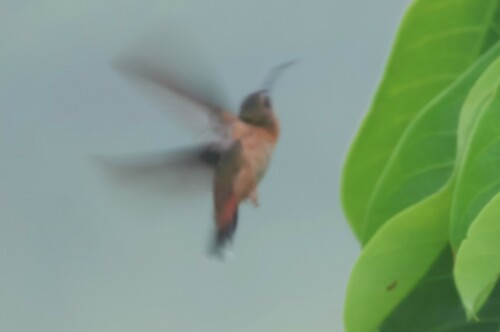 Bronzy Hermit
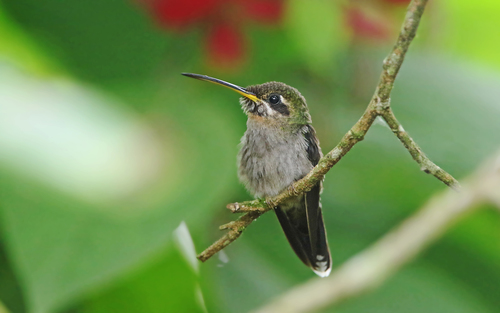 Band-tailed Barbthroat
In breve
Il segno di campo più affidabile per separare il Bronzy Hermit dal Band-tailed Barbthroat è il modello della coda: il Bronzy Hermit mostra una coda superiore grigio-verde con punte bianche e un lato inferiore rossastro vicino alla base, mentre il Band-tailed Barbthroat ha una coda scura con basi e punte bianche distintive che creano una forte banda nera vicino alla fine. Anche la forma del becco differisce: il becco del Bronzy Hermit è chiaramente ricurvo (soprattutto nelle femmine), mentre il becco del Band-tailed Barbthroat è quasi dritto (maschi) o solo leggermente ricurvo (femmine). Entrambe le specie condividono parti superiori bronzo-verdi e una striscia mustacchiale pallida, ma la colorazione della gola e del ventre, così come il contrasto delle parti inferiori, aiutano in buona luce. Dimensioni e struttura si sovrappongono, ma il Band-tailed Barbthroat è leggermente più grande e pesante. In volo o posato, concentrati sul modello della coda e sulla forma del becco per la separazione più consistente.
Consigli di identificazione
- Il modello della coda è il segno di campo più affidabile: Il Bronzy Hermit ha una coda superiore grigio-verde con punte bianche e un lato inferiore rossastro vicino alla base; la coda del Band-tailed Barbthroat è scura con basi e punte bianche, creando una forte banda nera vicino alla fine. Questo è visibile sia in posato che in viste con la coda aperta, e si applica a tutte le età.
- La forma del becco è una differenza strutturale chiave: Il becco del Bronzy Hermit è distintamente ricurvo (soprattutto nelle femmine), mentre quello del Band-tailed Barbthroat è quasi dritto nei maschi e solo leggermente ricurvo nelle femmine. Cerca questo di profilo, soprattutto quando l'uccello sta mangiando o pulendosi.
- Modello facciale: Entrambi hanno una striscia mustacchiale pallida, ma il viso del Bronzy Hermit è altrimenti scuro, mentre il Band-tailed Barbthroat mostra una macchia auricolare scura e un mento con una striscia malare scura. L'effetto complessivo è di maggiore contrasto nel viso del Band-tailed Barbthroat.
- Colore della gola e delle parti inferiori: Il Bronzy Hermit ha una gola e un petto di un profondo color buff con un ventre di un buff pallido, dando un aspetto caldo e uniforme. La gola del Band-tailed Barbthroat è ocra (a volte arancione brillante in alcune sottospecie), con parti inferiori grigie e alcune piume verdi, creando più contrasto tra gola e ventre.
- Variazione subspecifica nel Band-tailed Barbthroat: Nelle popolazioni settentrionali (T. r. ventosus), la gola può essere arancione brillante e il ventre con una sfumatura ocra, ma il modello della coda rimane un separatore costante.
- Segni giovanili/immaturi: I giovani Band-tailed Barbthroat hanno bordi di piume ocra, che possono dare un aspetto più caldo, più maculato alle parti inferiori. I giovani Bronzy Hermit non sono descritti come diversi dagli adulti nelle note.
- Dimensione relativa: Il Band-tailed Barbthroat è leggermente più grande e pesante, ma questo è sottile e non affidabile a meno che entrambi non siano visti insieme.
- Preferenza per l'habitat: Il Band-tailed Barbthroat può essere trovato in habitat più aperti o disturbati (macchie, piantagioni), mentre il Bronzy Hermit è più legato a foreste umide e margini. Nelle zone di sovrapposizione, questo può aiutare ma non è definitivo.
- Vocalizzazioni: Se senti un canto veloce, acuto e multi-nota con trilli, è probabile che sia il Band-tailed Barbthroat. La voce del Bronzy Hermit non è descritta nelle note.
- Dimorfismo sessuale: Entrambe le specie hanno un piumaggio simile in entrambi i sessi, ma la femmina del Bronzy Hermit ha un becco più ricurvo, e il becco della femmina del Band-tailed Barbthroat è solo leggermente più ricurvo di quello del maschio.
- Comportamento alimentare: Entrambi sono alimentatori a circuito e possono rubare nettare, quindi il comportamento ai fiori non è un separatore.
- Aspetto posato: Entrambi possono sembrare simili quando sono posati, ma la combinazione di forma del becco e modello della coda dovrebbe sempre essere controllata.
- In volo: Il modello della coda è spesso visibile in volo, soprattutto quando l'uccello apre la coda mentre sta sospeso o atterrando.
- Insidie: Le aree sovrapposte e le parti superiori bronzo-verdi simili possono causare confusione; controlla sempre la coda e il becco, non solo il colore generale.
- Quando hai dubbi: Se non riesci a vedere chiaramente il modello della coda o la forma del becco, evita di fare un'identificazione positiva, poiché il piumaggio da solo (soprattutto le parti superiori) può essere fuorviante.
Taglia
Il Band-tailed Barbthroat è marginalmente più grande, misurando 10–11 cm di lunghezza e pesando 5–7 g, mentre il Bronzy Hermit è 9–10 cm e pesa 3–6,5 g (maschi) o 3–6 g (femmine) [wikipedia]. La differenza è sottile e non sempre ovvia sul campo, ma il Band-tailed Barbthroat può sembrare più robusto e con una coda più lunga quando visti fianco a fianco. Entrambi sono di dimensioni medie per i colibrì eremiti, quindi la dimensione da sola è raramente diagnostica a meno che entrambi non siano insieme.
Piumaggio
I piumaggi giovanili e immaturi non sono fortemente differenziati tra queste due specie nelle note disponibili, ma alcuni segni legati all'età possono aiutare. I giovani Band-tailed Barbthroat hanno bordi di piume ocra, che possono dare un aspetto più caldo o più maculato alla gola e alle parti inferiori. Gli adulti del Bronzy Hermit di tutte le età mostrano parti superiori bronzo o verdi rame, una gola e un petto di un profondo color buff, e un ventre di un buff pallido, con una moustache bianca e un viso scuro. La sua coda è grigio-verde sopra con punte bianche e rossastre sotto vicino alla base. Gli adulti del Band-tailed Barbthroat hanno parti superiori verde bronzo, una macchia auricolare scura e un mento, e una striscia malare scura; la gola è ocra (soprattutto in alcune sottospecie), e le parti inferiori sono grigie con alcune piume verdi. La sua coda è scura con basi e punte bianche, formando una forte banda nera vicino alla fine—questo è il segno di campo più distintivo in tutte le età. Le femmine di entrambe le specie sono simili ai maschi ma con meno contrasto e, nel Band-tailed Barbthroat, un becco leggermente più ricurvo. La variazione subspecifica nel Band-tailed Barbthroat può influenzare il colore della gola (da ocra a arancione brillante), ma il modello della coda rimane costante.
Comportamento
Entrambe le specie sono tipici colibrì eremiti, alimentandosi tramite circuiti di fiori e occasionalmente rubando nettare. Il Band-tailed Barbthroat è noto per alimentarsi a Heliconia e talvolta perforare la base dei fiori. Entrambe le specie sono solitamente osservate nel sottobosco o ai margini della foresta, spesso basse a terra. Non c'è una forte differenza comportamentale in volo o nello stile alimentare che sia diagnostica per la separazione.
Habitat
Entrambe le specie si sovrappongono ampiamente in America Centrale (Costa Rica, Panama, Nicaragua, Honduras, Colombia, Ecuador). Il Band-tailed Barbthroat ha un raggio leggermente più ampio, estendendosi in Belize, Guatemala, Venezuela e Ecuador occidentale, ed è trovato in una varietà più ampia di habitat, comprese macchie semiaperte, cespugli, piantagioni e margini forestali fino a 1.200 m di altitudine. Il Bronzy Hermit è più strettamente associato a foreste umide e margini forestali. Nelle aree di sovrapposizione, l'habitat non è un separatore affidabile, ma il Band-tailed Barbthroat potrebbe essere più probabile in habitat più aperti o disturbati.
Voce
Il Band-tailed Barbthroat ha un canto distintivo: una frase veloce e acuta di 5–10 note, come 'tzi-tzi-tsee-ee-tsi-tzi-tzi', ripetuta con intervalli di diversi secondi. La popolazione della pendenza pacifica in Costa Rica ha un canto più complesso con trilli. Nessuna descrizione vocale è fornita per il Bronzy Hermit nelle note, quindi la voce non è un separatore affidabile a meno che non si senta il canto del Band-tailed Barbthroat.
Bronzy Hermit · Band-tailed Barbthroat · I miei uccelli difficili