

bristle-thighed curlew vs maçarico-galego/maçarico-de-bico-torto
Numenius tahitiensis versus Numenius phaeopus
Jogue um quiz com bristle-thighed curlew e maçarico-galego/maçarico-de-bico-torto
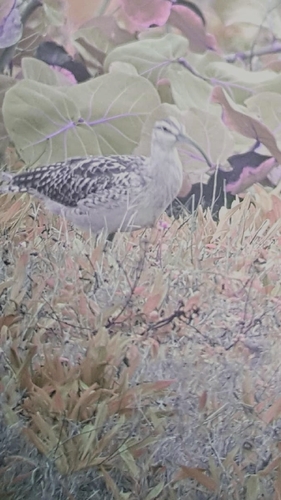 bristle-thighed curlew
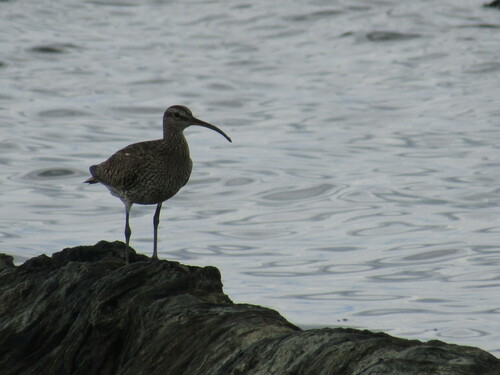 maçarico-galego/maçarico-de-bico-torto
Em resumo
A marca de campo mais confiável para separar o bristle-thighed curlew do maçarico-galego é a cor do rabo e da cauda em voo: o bristle-thighed curlew apresenta um rabo e cauda de cor laranja-clara, enquanto o maçarico-galego (Eurasiano) tem um rabo principalmente branco ou, em aves do Novo Mundo, um rabo semelhante ao restante da parte superior. O bristle-thighed curlew também possui manchas superiores maiores e mais claras, uma barriga clara e flancos pouco marcados, em comparação com as partes inferiores mais estriadas do maçarico-galego. Ambas as espécies são semelhantes em tamanho e forma geral, mas a atenção cuidadosa ao rabo, cauda e padrão das partes inferiores é fundamental, especialmente em aves em voo ou à distância. A estrutura e a forma do bico são muito semelhantes, então as marcas da plumagem são essenciais para uma separação confiante.
Dicas de identificação
- Cor do rabo e da cauda em voo (todas as idades): O bristle-thighed curlew apresenta um rabo e cauda de cor laranja-clara, enquanto o maçarico-galego eurasiano tem um rabo branco (Europa/Ásia) ou um rabo marrom que combina com as partes superiores (Novo Mundo). Esta é a única marca de campo mais confiável quando as aves estão no ar ou se arrumando.
- Manchas nas partes superiores (todas as idades): O bristle-thighed curlew tem manchas maiores e mais proeminentes nas partes superiores, dando um aspecto mais padronizado e 'manchado'. O maçarico-galego é mais uniformemente cinza-marrom e finamente estriado.
- Padrão das partes inferiores (todas as idades): O bristle-thighed curlew tem uma barriga clara e sem marcas e flancos pouco marcados. O maçarico-galego apresenta mais estrias ou barras nas partes inferiores, especialmente nos flancos.
- Cor da cauda (todas as idades): A cauda do bristle-thighed curlew é de cor ferrugem ou clara, não branca ou marrom como a do maçarico-galego. Isso é melhor visto em voo ou quando a cauda está aberta.
- Penas nas pernas (adultos): O bristle-thighed curlew tem penas eriçadas na base das pernas, mas isso raramente é visível em campo e não é um separador prático.
- Forma e comprimento do bico: Ambas as espécies têm bicos longos e curvados de comprimento e forma semelhantes. O bico não é uma marca de campo útil para separar essas duas.
- Padrão da cabeça: Ambas apresentam listras semelhantes na cabeça; isso não é um separador confiável.
- Tamanho e estrutura: Ambas são semelhantes em tamanho e construção geral. Não confie no tamanho para separá-las.
- Habitat e distribuição: O bristle-thighed curlew inverna em ilhas remotas do Pacífico e se reproduz no Alasca; o maçarico-galego é amplamente distribuído na Eurásia e na América do Norte. Se visto em uma ilha do Pacífico no inverno, é provável que seja um bristle-thighed curlew; em outros lugares, verifique cuidadosamente a plumagem.
- Comportamento: Ambas as espécies forrageiam por sondagem e podem ser cautelosas. Nenhuma diferença comportamental é útil para separação.
- Vocalizações: Não são separáveis de forma confiável pela voz com base nessas notas.
- Armadilhas: Maçaricos-galegos imaturos e adultos no Novo Mundo têm um rabo marrom, que pode ser confundido com o bristle-thighed curlew se não for visto bem. Sempre verifique a cauda e o rabo laranja-claro no bristle-thighed curlew.
- Quando as marcas falham: Se o rabo e a cauda não forem vistos, concentre-se nas manchas das partes superiores e nas estrias das partes inferiores. Se ainda estiver inseguro, considere a distribuição e o habitat, mas não confie apenas nisso em áreas de sobreposição.
- Sexo e idade: Nenhum dimorfismo sexual forte ou marcas específicas de idade são detalhadas além do padrão do rabo/cauda e das partes superiores, que se aplicam a todas as idades.
- Em resumo: Priorize a cor do rabo e da cauda em voo, depois o padrão das partes superiores e inferiores. Use habitat e distribuição apenas como contexto de apoio.
Tamanho
Tanto o bristle-thighed curlew quanto o maçarico-galego são curlews de tamanho médio a grande com dimensões muito semelhantes. O bristle-thighed curlew mede cerca de 40–44 cm de comprimento com uma envergadura em torno de 84 cm, enquanto o maçarico-galego varia de 37–47 cm de comprimento e 75–90 cm de envergadura. As fêmeas de ambas as espécies são, em média, ligeiramente maiores que os machos. Em campo, o tamanho não é um separador confiável entre esses dois, pois a sobreposição é extensa e ambos compartilham o clássico silhueta de curlew de pernas longas e bico longo.
Plumagem
- Visões de voo juvenil/imaturo e adulto: O rabo e a cauda são os mais diagnósticos: o bristle-thighed curlew sempre mostra um rabo e cauda de cor laranja-clara, contrastando com o restante das partes superiores, enquanto o maçarico-galego eurasiano tem um rabo branco (na Europa/Ásia) ou um rabo que combina com as partes superiores marrons (em aves do Novo Mundo).
- Partes superiores: O bristle-thighed curlew tem manchas maiores e mais proeminentes nas partes superiores, dando um aspecto mais padronizado, enquanto o maçarico-galego é mais uniformemente cinza-marrom e finamente estriado.
- Partes inferiores: O bristle-thighed curlew tem uma barriga clara e sem marcas e flancos pouco marcados, enquanto as partes inferiores do maçarico-galego são mais estriadas ou barradas, especialmente nos flancos.
- Cauda: A cauda do bristle-thighed curlew é de cor ferrugem ou clara, não branca ou marrom como a do maçarico-galego.
- Pernas: O bristle-thighed curlew tem penas eriçadas na base das pernas, mas isso raramente é visível em campo.
- Bico: Ambos têm bicos longos e curvados, mas a forma do bico não é um separador confiável.
- Padrão da cabeça: Não destacado como um forte separador nessas notas; ambos têm listras semelhantes na cabeça.
Comportamento
Ambas as espécies forrageiam sondando lama ou areia em busca de invertebrados e podem ser vistas caminhando metódicamente pelo solo aberto. Não há diferenças comportamentais fortes destacadas nas fontes que sejam úteis para separação em campo. Ambas podem ser vistas sozinhas ou em pequenos grupos, e ambas podem ser cautelosas e rápidas para voar.
Habitat
O bristle-thighed curlew se reproduz no Alasca e inverna em ilhas tropicais remotas do Pacífico, preferindo costas abertas e ilhas durante a estação não reprodutiva. O maçarico-galego se reproduz em toda a subártica Palearctica e Europa, utilizando uma ampla gama de habitats abertos, incluindo tundra, pântanos e planícies costeiras. Na América do Norte, o maçarico-galego (Hudsoniano) também é encontrado em costas e planícies de lama. Se visto nas ilhas do Pacífico no inverno, o bristle-thighed curlew é o padrão; na Eurásia, o maçarico-galego é muito mais provável. No entanto, no Alasca e durante a migração, ambos podem se sobrepor, então o contexto ajuda, mas não é diagnóstico.
Voz
Nenhuma diferença vocal distintiva é detalhada nas notas para separação em campo entre esses dois. O maçarico-galego é nomeado por seu assobio ondulante, mas a voz do bristle-thighed curlew não é descrita aqui. A voz não é um separador confiável com base nessas fontes.
bristle-thighed curlew · maçarico-galego/maçarico-de-bico-torto · Minhas aves difíceis