

Motmot

ハリモモチュウシャク 対 チュウシャクシギ

Numenius tahitiensis 対 Numenius phaeopus

ハリモモチュウシャクとチュウシャクシギのクイズ
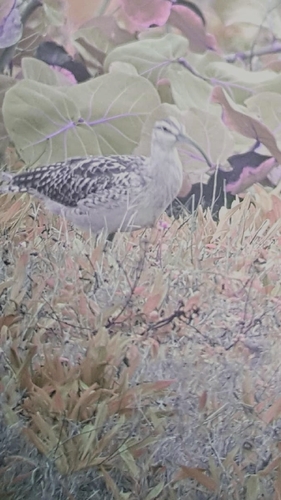
ハリモモチュウシャク (Numenius tahitiensis) ハリモモチュウシャク
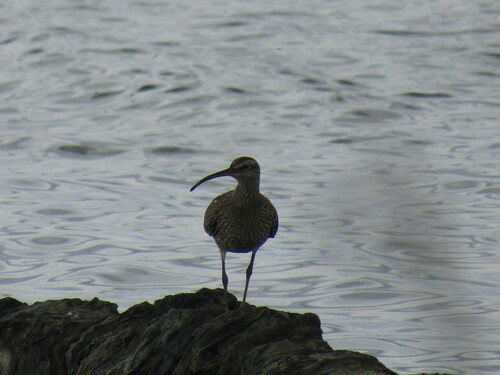
チュウシャクシギ (Numenius phaeopus) チュウシャクシギ

メディア

読み込み中…

要点

ハリモモチュウシャクとチュウシャクシギを区別する最も信頼できるフィールドマークは、飛行中の尻と尾の色です:ハリモモチュウシャクは淡いバフィーオレンジの尻と尾を示し、チュウシャクシギ(Eurasian)は主に白い尻を持つか、または新世界の鳥では上面の残りと似た尻を持っています。ハリモモチュウシャクは、チュウシャクシギのより縞模様のある腹部と比較して、より大きく、バフィーな上面の斑点、無地の明るい腹部、ほとんど印がない側面を持っています。両種はサイズと一般的な形状が似ていますが、特に飛行中や遠くにいる鳥において、尻、尾、腹部のパターンに注意を払うことが重要です。構造とくちばしの形は非常に似ているため、羽毛のマークは自信を持って区別するために不可欠です。

識別のコツ

  1. 飛行中の尻と尾の色(すべての年齢): ハリモモチュウシャクは淡いバフィーオレンジの尻と尾を示し、Eurasian チュウシャクシギは白い尻(ヨーロッパ/アジア)または上面に合った茶色の尻(新世界)を持っています。これは、鳥が空中にいるときや羽を整えているときの最も信頼できるフィールドマークです。
  2. 上面の斑点(すべての年齢): ハリモモチュウシャクは、上面により大きく、目立つバフィーの斑点を持ち、より模様のある「斑点」のように見えます。チュウシャクシギはより均一な灰褐色で、細かく縞模様です。
  3. 腹部のパターン(すべての年齢): ハリモモチュウシャクは無地で印のない明るい腹部とほとんど印のない側面を持っています。チュウシャクシギは、特に側面で、腹部により多くの縞模様や横縞を示します。
  4. 尾の色(すべての年齢): ハリモモチュウシャクの尾は錆色またはバフィーで、チュウシャクシギのように白や茶色ではありません。これは、飛行中または尾が扇状に広がっているときに最もよく見られます。
  5. 脚の羽毛(成鳥): ハリモモチュウシャクは脚の基部に毛羽立った羽毛を持っていますが、これはフィールドではほとんど見えず、実用的な区別にはなりません。
  6. くちばしの形と長さ: 両種は長く、下向きのくちばしを持ち、長さと形は似ています。くちばしはこの二種を区別するための有用なフィールドマークではありません。
  7. 頭のパターン: 両者は似たような頭の縞模様を示しますが、これは信頼できる区別にはなりません。
  8. サイズと構造: 両者はサイズと全体的な構造が似ています。サイズを頼りにして区別しないでください。
  9. 生息地と分布: ハリモモチュウシャクは遠隔の太平洋の島々で冬を越し、アラスカで繁殖します;チュウシャクシギはユーラシアと北アメリカに広く分布しています。冬に太平洋の島で見られた場合、ハリモモチュウシャクの可能性が高いですが、他の場所では羽毛を注意深く確認してください。
  10. 行動: 両種は突き刺して餌を探し、警戒心が強いことがあります。行動の違いは区別に役立ちません。
  11. 鳴き声: これらのメモに基づいて声での明確な区別はできません。
  12. 落とし穴: 新世界の未熟および成鳥のチュウシャクシギは茶色の尻を持ち、ハリモモチュウシャクと混同されることがあります。ハリモモチュウシャクでは常にバフィーオレンジの尾と尻を確認してください。
  13. マークが失敗した場合: 尻と尾が見えない場合は、上面の斑点と腹部の縞模様に焦点を当ててください。まだ不明な場合は、分布と生息地を考慮してくださいが、重複する地域ではこれだけに頼らないでください。
  14. 性別と年齢: 尻/尾と上面のパターンを超えて、強い性的二形性や年齢特有のマークは詳細に説明されていません。これらはすべての年齢に適用されます。
  15. 要約: 飛行中の尻と尾の色を優先し、次に上面と腹部のパターンを確認してください。生息地と分布は補足的な文脈としてのみ使用してください。

大きさ

ハリモモチュウシャクとチュウシャクシギは、非常に似た寸法の中型から大型のチュウシャクシギです。ハリモモチュウシャクは約40〜44 cmの長さで、翼幅は約84 cmですが、チュウシャクシギは37〜47 cmの長さと75〜90 cmの翼幅を持っています。両種の雌は雄よりもわずかに大きいです。フィールドでは、サイズはこれら二種を区別するための信頼できる指標ではなく、重複が広範で、両者は典型的な長脚、長くくちばしのあるチュウシャクシギのシルエットを共有しています。

羽色

行動

両種は泥や砂を突いて無脊椎動物を探し、開けた地面を慎重に歩く姿が見られます。フィールドでの区別に役立つ強い行動の違いは、情報源では強調されていません。両者は単独または小さな群れで見られることがあり、警戒心が強く、すぐに飛び立つことがあります。

生息環境

ハリモモチュウシャクはアラスカで繁殖し、遠隔の熱帯太平洋の島々で冬を越し、非繁殖期には開けた海岸や島を好みます。Eurasian チュウシャクシギは亜北極のパレアールクとヨーロッパ全体で繁殖し、ツンドラ、湿地、沿岸の干潟など、広範な開けた生息地を利用します。北アメリカでは、チュウシャクシギ(ハドソニアン)は海岸や干潟でも見られます。冬に太平洋の島で見られた場合、ハリモモチュウシャクがデフォルトですが、ユーラシアではチュウシャクシギの可能性がはるかに高いです。しかし、アラスカや移動中には両者が重なることがあるため、文脈は役立ちますが、診断的ではありません。

声

これら二種のフィールドでの区別に関するメモには、特有の鳴き声の違いは詳細に記載されていません。チュウシャクシギはその波のようなホイッスルのために名付けられていますが、ハリモモチュウシャクの声はここでは説明されていません。声はこれらの情報源に基づいて信頼できる区別にはなりません。

より良い説明を送る

比較と同じ項目を使ってください。文章はすぐに公開されます。

The most reliable field mark to separate Bristle-thighed Curlew from Whimbrel is the color of the rump and tail in flight: Bristle-thighed Curlew shows a pale buffy-orange rump and tail, while Whimbrel (Eurasian) has a mainly white rump or, in New World birds, a rump similar to the rest of the upperparts. Bristle-thighed Curlew also has larger, buffier upperpart spots, a plain light belly, and barely marked flanks, compared to Whimbrel's more streaked underparts. Both species are similar in size and general shape, but careful attention to rump, tail, and underpart pattern is key, especially on birds in flight or at a distance. Structure and bill shape are very similar, so plumage marks are essential for confident separation.

  1. Rump and tail color in flight (all ages): Bristle-thighed Curlew shows a pale buffy-orange rump and tail, while Eurasian Whimbrel has a white rump (Europe/Asia) or a brown rump matching the upperparts (New World). This is the single most reliable field mark when birds are airborne or preening.
  2. Upperpart spotting (all ages): Bristle-thighed Curlew has larger, more prominent buff spots on the upperparts, giving a more patterned and 'spotted' look. Whimbrel is more uniformly grey-brown and finely streaked.
  3. Underpart pattern (all ages): Bristle-thighed Curlew has a plain, unmarked light belly and barely marked flanks. Whimbrel shows more streaking or barring on the underparts, especially on the flanks.
  4. Tail color (all ages): Bristle-thighed Curlew's tail is rust-colored or buffy, not white or brown like Whimbrel's. This is best seen in flight or when the tail is fanned.
  5. Leg feathering (adults): Bristle-thighed Curlew has bristled feathers at the base of the legs, but this is rarely visible in the field and not a practical separator.
  6. Bill shape and length: Both species have long, decurved bills of similar length and shape. Bill is not a helpful field mark for separating these two.
  7. Head pattern: Both show similar head stripes; this is not a reliable separator.
  8. Size and structure: Both are similar in size and overall build. Do not rely on size to separate them.
  9. Habitat and range: Bristle-thighed Curlew winters on remote Pacific islands and breeds in Alaska; Whimbrel is widespread in Eurasia and North America. If seen on a Pacific island in winter, Bristle-thighed Curlew is likely; elsewhere, check plumage carefully.
  10. Behavior: Both species forage by probing and can be wary. No behavioral differences are useful for separation.
  11. Vocalizations: Not reliably separable by voice based on these notes.
  12. Pitfalls: Immature and adult Whimbrels in the New World have a brown rump, which can be confused with Bristle-thighed Curlew if not seen well. Always check for the buffy-orange tail and rump in Bristle-thighed Curlew.
  13. When marks fail: If rump and tail are not seen, focus on upperpart spotting and underpart streaking. If still unsure, consider range and habitat, but do not rely on these alone in areas of overlap.
  14. Sex and age: No strong sexual dimorphism or age-specific marks are detailed beyond the rump/tail and upperpart pattern, which apply to all ages.
  15. In summary: Prioritize rump and tail color in flight, then upperpart and underpart pattern. Use habitat and range only as supporting context.

Both Bristle-thighed Curlew and Whimbrel are medium-to-large curlews with very similar dimensions. Bristle-thighed Curlew measures about 40–44 cm in length with a wingspan around 84 cm, while Whimbrel ranges from 37–47 cm in length and 75–90 cm in wingspan. Females of both species average slightly larger than males. In the field, size is not a reliable separator between these two, as overlap is extensive and both share the classic long-legged, long-billed curlew silhouette.

  • Juvenile/immature and adult flight views: The rump and tail are the most diagnostic: Bristle-thighed Curlew always shows a pale buffy-orange rump and tail, contrasting with the rest of the upperparts, while Eurasian Whimbrel has a white rump (in Europe/Asia) or a rump matching the brown upperparts (in New World birds).
  • Upperparts: Bristle-thighed Curlew has larger, more prominent buff spots on the upperparts, giving a more patterned look, while Whimbrel is more uniformly grey-brown and finely streaked.
  • Underparts: Bristle-thighed Curlew has a plain, unmarked light belly and barely marked flanks, whereas Whimbrel's underparts are more streaked or barred, especially on the flanks.
  • Tail: Bristle-thighed Curlew's tail is rust-colored or buffy, not white or brown like Whimbrel's.
  • Legs: Bristle-thighed Curlew has bristled feathers at the base of the legs, but this is rarely visible in the field.
  • Bill: Both have long, decurved bills, but bill shape is not a reliable separator.
  • Head pattern: Not highlighted as a strong separator in these notes; both have similar head stripes.

Both species forage by probing mud or sand for invertebrates and can be seen walking methodically across open ground. There are no strong behavioral differences highlighted in the sources that are useful for field separation. Both may be seen singly or in small groups, and both can be wary and quick to flush.

Bristle-thighed Curlew breeds in Alaska and winters on remote tropical Pacific islands, favoring open coasts and islands during the nonbreeding season. Eurasian Whimbrel breeds across the subarctic Palearctic and Europe, using a wide range of open habitats including tundra, marshes, and coastal mudflats. In North America, Whimbrel (Hudsonian) is found on coasts and mudflats as well. If seen in the Pacific islands in winter, Bristle-thighed Curlew is the default; in Eurasia, Whimbrel is vastly more likely. However, in Alaska and on migration, both may overlap, so context helps but is not diagnostic.

No distinctive vocal differences are detailed in the notes for field separation between these two. Whimbrel is named for its rippling whistle, but Bristle-thighed Curlew's voice is not described here. Voice is not a reliable separator based on these sources.

変更を破棄しますか?

保存していない編集があります。今離れると失われます。

ハリモモチュウシャク · チュウシャクシギ · 苦手な鳥