

Bristle-thighed Curlew vs Chiurlo piccolo
Numenius tahitiensis contro Numenius phaeopus
Fai un quiz con Bristle-thighed Curlew e Chiurlo piccolo
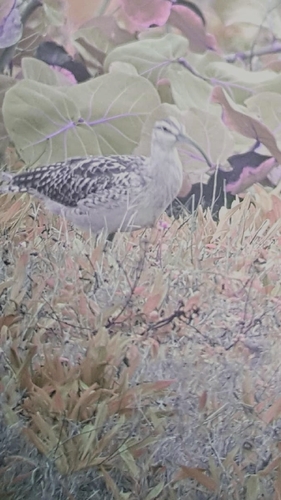 Bristle-thighed Curlew
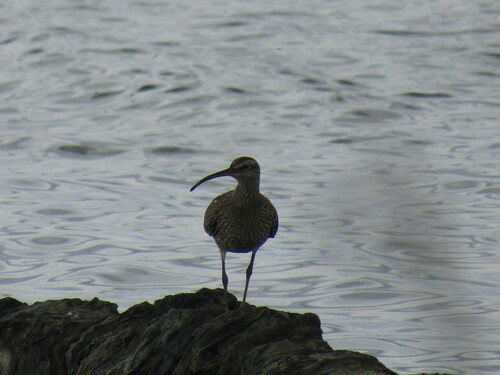 Chiurlo piccolo
In breve
Il segno di campo più affidabile per separare il Bristle-thighed Curlew dal Chiurlo piccolo è il colore del sopraccoda e della coda in volo: il Bristle-thighed Curlew mostra un sopraccoda e una coda di un pallido arancione buffo, mentre il Chiurlo piccolo (Eurasiano) ha un sopraccoda principalmente bianco o, negli uccelli del Nuovo Mondo, un sopraccoda simile al resto delle parti superiori. Il Bristle-thighed Curlew ha anche macchie superiori più grandi e buffe, un ventre chiaro e quasi privo di segni, rispetto alle parti inferiori più striate del Chiurlo piccolo. Entrambe le specie sono simili in dimensioni e forma generale, ma prestare attenzione al sopraccoda, alla coda e al motivo delle parti inferiori è fondamentale, specialmente sugli uccelli in volo o a distanza. La struttura e la forma del becco sono molto simili, quindi i segni del piumaggio sono essenziali per una separazione sicura.
Consigli di identificazione
- Colore del sopraccoda e della coda in volo (tutte le età): Il Bristle-thighed Curlew mostra un sopraccoda e una coda di un pallido arancione buffo, mentre il Chiurlo piccolo eurasiano ha un sopraccoda bianco (Europa/Asia) o un sopraccoda marrone che corrisponde alle parti superiori (Nuovo Mondo). Questo è il segno di campo più affidabile quando gli uccelli sono in volo o si stanno pulendo.
- Macchie superiori (tutte le età): Il Bristle-thighed Curlew ha macchie buffe più grandi e più prominenti sulle parti superiori, dando un aspetto più patternizzato e 'maculato'. Il Chiurlo piccolo è più uniformemente grigio-marrone e finemente striato.
- Motivo delle parti inferiori (tutte le età): Il Bristle-thighed Curlew ha un ventre chiaro e privo di segni e fianchi quasi privi di segni. Il Chiurlo piccolo mostra più striature o barre sulle parti inferiori, specialmente sui fianchi.
- Colore della coda (tutte le età): La coda del Bristle-thighed Curlew è di colore ruggine o buffo, non bianca o marrone come quella del Chiurlo piccolo. Questo è meglio visibile in volo o quando la coda è aperta.
- Piumaggio delle gambe (adulti): Il Bristle-thighed Curlew ha piume ispide alla base delle gambe, ma questo è raramente visibile sul campo e non è un separatore pratico.
- Forma e lunghezza del becco: Entrambe le specie hanno becchi lunghi e curvi di lunghezza e forma simili. Il becco non è un segno utile per separare questi due.
- Motivo della testa: Entrambi mostrano strisce simili sulla testa; questo non è un separatore affidabile.
- Dimensioni e struttura: Entrambi sono simili in dimensioni e costruzione generale. Non fare affidamento sulla dimensione per separarli.
- Habitat e distribuzione: Il Bristle-thighed Curlew sverna su isole remote del Pacifico e nidifica in Alaska; il Chiurlo piccolo è diffuso in Eurasia e Nord America. Se visto su un'isola del Pacifico in inverno, è probabile che si tratti di un Bristle-thighed Curlew; altrove, controlla attentamente il piumaggio.
- Comportamento: Entrambe le specie si nutrono cercando e possono essere diffidenti. Nessuna differenza comportamentale è utile per la separazione.
- Vocalizzazioni: Non sono separabili in modo affidabile per voce in base a queste note.
- Trappole: I Chiurli piccoli immaturi e adulti nel Nuovo Mondo hanno un sopraccoda marrone, che può essere confuso con il Bristle-thighed Curlew se non visto bene. Controlla sempre il sopraccoda e la coda arancione buffo nel Bristle-thighed Curlew.
- Quando i segni falliscono: Se il sopraccoda e la coda non sono visti, concentrati sulle macchie superiori e sulle striature delle parti inferiori. Se ancora incerto, considera la distribuzione e l'habitat, ma non fare affidamento su questi da soli in aree di sovrapposizione.
- Sesso e età: Non ci sono forti dimorfismi sessuali o segni specifici per età dettagliati oltre al motivo del sopraccoda/coda e delle parti superiori, che si applicano a tutte le età.
- In sintesi: Dai priorità al colore del sopraccoda e della coda in volo, poi al motivo delle parti superiori e inferiori. Usa l'habitat e la distribuzione solo come contesto di supporto.
Taglia
Sia il Bristle-thighed Curlew che il Chiurlo piccolo sono curlew di dimensioni medie-grandi con dimensioni molto simili. Il Bristle-thighed Curlew misura circa 40–44 cm di lunghezza con un'apertura alare di circa 84 cm, mentre il Chiurlo piccolo varia da 37–47 cm di lunghezza e 75–90 cm di apertura alare. Le femmine di entrambe le specie sono in media leggermente più grandi dei maschi. Sul campo, la dimensione non è un separatore affidabile tra questi due, poiché la sovrapposizione è estesa e entrambi condividono il classico profilo del curlew a lunghe gambe e lungo becco.
Piumaggio
- Viste di volo juvenile/immaturi e adulti: Il sopraccoda e la coda sono i più diagnostici: il Bristle-thighed Curlew mostra sempre un sopraccoda e una coda di un pallido arancione buffo, in contrasto con il resto delle parti superiori, mentre il Chiurlo piccolo eurasiano ha un sopraccoda bianco (in Europa/Asia) o un sopraccoda che corrisponde alle parti superiori marroni (negli uccelli del Nuovo Mondo).
- Parti superiori: Il Bristle-thighed Curlew ha macchie buffe più grandi e più prominenti sulle parti superiori, dando un aspetto più patternizzato, mentre il Chiurlo piccolo è più uniformemente grigio-marrone e finemente striato.
- Parti inferiori: Il Bristle-thighed Curlew ha un ventre chiaro e privo di segni e fianchi quasi privi di segni, mentre le parti inferiori del Chiurlo piccolo sono più striate o barrate, specialmente sui fianchi.
- Coda: La coda del Bristle-thighed Curlew è di colore ruggine o buffo, non bianca o marrone come quella del Chiurlo piccolo.
- Gambe: Il Bristle-thighed Curlew ha piume ispide alla base delle gambe, ma questo è raramente visibile sul campo.
- Becco: Entrambi hanno becchi lunghi e curvi, ma la forma del becco non è un separatore affidabile.
- Motivo della testa: Non evidenziato come un forte separatore in queste note; entrambi hanno strisce simili sulla testa.
Comportamento
Entrambe le specie si nutrono cercando nel fango o nella sabbia per invertebrati e possono essere viste camminare metodicamente attraverso terreni aperti. Non ci sono forti differenze comportamentali evidenziate nelle fonti che siano utili per la separazione sul campo. Entrambi possono essere visti singolarmente o in piccoli gruppi, e entrambi possono essere diffidenti e rapidi a volare.
Habitat
Il Bristle-thighed Curlew nidifica in Alaska e sverna su remote isole tropicali del Pacifico, preferendo coste aperte e isole durante la stagione non riproduttiva. Il Chiurlo piccolo nidifica attraverso il Palearctico subartico e l'Europa, utilizzando una vasta gamma di habitat aperti tra cui tundra, paludi e fanghi costieri. In Nord America, il Chiurlo piccolo (Hudsonian) si trova anche su coste e fanghi. Se visto nelle isole del Pacifico in inverno, il Bristle-thighed Curlew è il default; in Eurasia, il Chiurlo piccolo è di gran lunga più probabile. Tuttavia, in Alaska e durante la migrazione, entrambi possono sovrapporsi, quindi il contesto aiuta ma non è diagnostico.
Voce
Nessuna differenza vocale distintiva è dettagliata nelle note per la separazione sul campo tra questi due. Il Chiurlo piccolo è chiamato per il suo fischio ondulato, ma la voce del Bristle-thighed Curlew non è descritta qui. La voce non è un separatore affidabile in base a queste fonti.
Bristle-thighed Curlew · Chiurlo piccolo · I miei uccelli difficili