

bristle-thighed curlew vs samoan flycatcher
Numenius tahitiensis versus Myiagra albiventris
Jogue um quiz com bristle-thighed curlew e samoan flycatcher
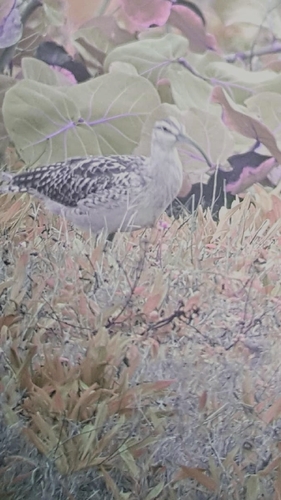 bristle-thighed curlew
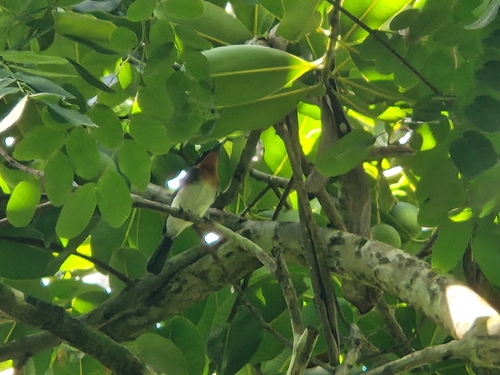 samoan flycatcher
Em resumo
A separação mais confiável é a estrutura: bristle-thighed curlew é uma ave costeira grande, de pernas longas, com um bico longo e curvado para baixo, enquanto o samoan flycatcher é muito menor, com bico curto, uma ave canora que pousa. Em voo ou em repouso, a cauda clara e o rabo pálido do curlew, junto com seu tamanho e forma, são inconfundíveis em comparação com o flycatcher compacto e ereto. Mesmo os curlews imaturos mostram essas diferenças estruturais e de plumagem. O habitat também é uma pista forte: os curlews são encontrados em terrenos abertos ou margens, enquanto os flycatchers estão em florestas ou jardins. A confusão é improvável, exceto em um quiz, mas se você ver uma ave com bico longo, parecida com um limícola, é o curlew.
Dicas de identificação
- O tamanho é decisivo: bristle-thighed curlew é muito maior que o samoan flycatcher; mesmo à distância, o tamanho e as pernas longas do curlew se destacam. Nenhum flycatcher na região se aproxima desse tamanho.
- Forma do bico: o curlew tem um bico longo e fortemente curvado para baixo, usado para sondar; o flycatcher tem um bico curto e reto, adequado para capturar insetos. O comprimento e a forma do bico são visíveis na maioria das visões.
- Pernas e postura: o curlew tem pernas longas e visíveis e caminha ou corre no chão; o flycatcher pousa ereto, com pernas curtas raramente vistas claramente.
- Padrão da cauda e do rabo (todas as idades): o curlew apresenta uma cauda clara ou de cor ferrugem e um rabo pálido de cor laranja-clara, especialmente óbvio em voo ou ao se limpar. O flycatcher não possui nenhuma coloração de cauda ou rabo semelhante.
- Manchas nas partes superiores: as partes superiores do curlew são fortemente manchadas com grandes marcas claras; o flycatcher é simples ou sutilmente marcado, nunca manchado como um curlew.
- Barriga e flancos: a barriga do curlew é pálida e sem marcas, com flancos mal marcados; as partes inferiores do flycatcher podem ser mais pálidas, mas não no mesmo padrão, e nunca com a aparência limpa e sem marcas do curlew.
- Contexto do habitat: o curlew é encontrado em terrenos abertos, praias ou bancos de lama; o flycatcher está em florestas, matas ou jardins. Se a ave estiver em árvores, é quase certamente o flycatcher.
- Comportamento: o curlew caminha ou corre no chão, frequentemente sondando com seu bico; o flycatcher pousa e sai para capturar insetos, raramente visto no chão.
- Silhueta de voo: o curlew em voo mostra asas longas, pernas longas arrastando e um bico longo e curvado; o flycatcher é compacto, com asas e cauda curtas, e sem projeção do bico.
- Forma ao pousar: o curlew fica horizontalmente com o corpo paralelo ao chão; o flycatcher pousa ereto, frequentemente levantando sua cauda.
- Confusão de idade: curlews juvenis e imaturos ainda mostram as marcas-chave da cauda e do rabo e características estruturais; nenhuma idade de flycatcher se assemelha a um curlew.
- Diferenças sexuais: as fêmeas de curlew são ligeiramente maiores, mas ambos os sexos compartilham todas as marcas de campo principais; o dimorfismo sexual do flycatcher não é descrito como diagnóstico aqui.
- Voz: Não descrita nas notas, portanto não é confiável para separação.
- Contexto sazonal: o curlew é migratório e está presente nas ilhas do Pacífico apenas na estação não reprodutiva; o flycatcher é residente em Samoa durante todo o ano. Se visto em Samoa fora da janela de migração do curlew, é mais provável que seja o flycatcher, mas a estrutura e a plumagem são sempre melhores pistas.
- Armadilhas comuns: A única confusão real é em um quiz ou com uma foto ruim; no campo, tamanho, bico e habitat são decisivos. Não confie em marcas sutis de plumagem quando a estrutura e o contexto são tão diferentes.
Tamanho
Bristle-thighed Curlew é dramaticamente maior: cerca de 40–44 cm (16–17 pol) de comprimento com uma envergadura de 84 cm (33 pol) [wikipedia]. Samoan Flycatcher é um pequeno passeriforme, muito mais curto e leve (medidas exatas não fornecidas, mas Monarchidae típicos têm cerca de 15–20 cm de comprimento). O tamanho do curlew é comparável ao maçarico-galego, enquanto o flycatcher está mais próximo de um pardal ou um pequeno tordo. Essa diferença de tamanho é óbvia mesmo à distância.
Plumagem
Para todas as idades, bristle-thighed curlew apresenta partes superiores marrons com grandes manchas claras, uma barriga pálida e sem marcas, e uma cauda distinta de cor clara ou ferrugem e um rabo pálido de cor laranja-clara. Essas marcas são visíveis em voo e em repouso, incluindo em imaturos. Os flancos do curlew são mal marcados, e o contraste da cauda/rabo é forte. O samoan flycatcher, por outro lado, não possui nenhum desses padrões típicos de aves costeiras: é um flycatcher típico sem cauda ou rabo claros, e sua plumagem é adaptada para a vida na floresta, não em terrenos abertos. Nenhuma idade ou sexo de flycatcher apresenta padrão de partes superiores ou cauda semelhante ao curlew. Mesmo os curlews juvenis mantêm as marcas-chave da cauda e do rabo, portanto a confusão de idade é mínima.
Comportamento
Os curlews são aves que habitam o solo, frequentemente sondando lama ou areia com seus longos bicos, e caminham ou correm com um andar deliberado. Em voo, mostram batidas de asas fortes e diretas e asas longas. Os samoan flycatchers pousam eretos em galhos, saindo para capturar insetos no ar, e raramente, se é que alguma vez, caminham no chão. Seus movimentos são rápidos, ágeis e mais típicos de aves canoras de floresta. Essas diferenças comportamentais são óbvias se você observar por mais de alguns segundos.
Habitat
Bristle-thighed Curlew se reproduz no Alasca e inverna em ilhas tropicais do Pacífico, sempre favorecendo terrenos abertos, margens ou planícies gramadas. Samoan Flycatcher é endêmico de Samoa e permanece em florestas úmidas subtropicais ou tropicais, florestas montanas ou jardins rurais. O curlew nunca é encontrado em florestas densas ou jardins, e o flycatcher evita bancos de lama ou praias abertas. Se você ver a ave em uma floresta ou jardim, é o flycatcher; em terreno aberto ou margem, é o curlew.
bristle-thighed curlew · samoan flycatcher · Minhas aves difíceis