

Motmot

ハリモモチュウシャク 対 サモアヒラハシ

Numenius tahitiensis 対 Myiagra albiventris

ハリモモチュウシャクとサモアヒラハシのクイズ
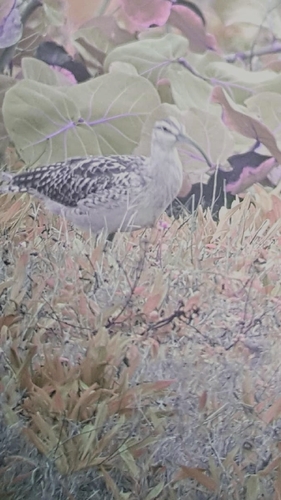
ハリモモチュウシャク (Numenius tahitiensis) ハリモモチュウシャク
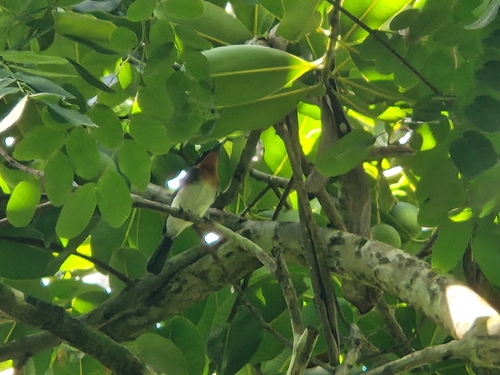
サモアヒラハシ (Myiagra albiventris) サモアヒラハシ

メディア

読み込み中…

要点

最も信頼できる区別は構造です:ハリモモチュウシャクは大きく、長い脚を持つ海鳥で、長く下向きのくちばしを持っています。一方、サモアヒラハシはずっと小さく、短いくちばしを持つ止まり木に止まる歌鳥です。飛んでいるときや休んでいるとき、ハリモモチュウシャクの淡い尾と薄い尻、そしてその大きさと形は、コンパクトで直立したヒラハシと比べて明確です。未熟なハリモモチュウシャクでさえ、これらの構造的および羽毛の違いを示しています。生息地も強い手がかりです:ハリモモチュウシャクは開けた地面や海岸に見られ、ヒラハシは森林や庭にいます。クイズ以外では混乱は起こりにくいですが、長いくちばしを持つ水鳥のような鳥を見たら、それはハリモモチュウシャクです。

識別のコツ

  1. サイズが決定的:ハリモモチュウシャクはサモアヒラハシよりもはるかに大きいです。距離があっても、ハリモモチュウシャクの大きさと長い脚は目立ちます。この地域のヒラハシでこのサイズに近いものはありません。
  2. くちばしの形:ハリモモチュウシャクは長く、強く下向きのくちばしを持ち、探るために使用します。ヒラハシは昆虫を捕まえるのに適した短くて真っ直ぐなくちばしを持っています。くちばしの長さと形はほとんどの角度から見えます。
  3. 脚と姿勢:ハリモモチュウシャクは長く、目に見える脚を持ち、地面を歩いたり走ったりします。ヒラハシは直立して止まり、短い脚はほとんどはっきり見えません。
  4. 尾と尻の模様(すべての年齢):ハリモモチュウシャクは淡いまたは錆色の尾と薄い淡いオレンジ色の尻を示し、特に飛んでいるときや羽繕いのときに明らかです。ヒラハシはそのような尾や尻の色合いを持っていません。
  5. 上面の斑点:ハリモモチュウシャクの上面は大きな淡い斑点で重く斑点が付いています。ヒラハシは平坦または微妙に模様が付いているだけで、ハリモモチュウシャクのように斑点はありません。
  6. 腹部と側面:ハリモモチュウシャクの腹部は淡く、無地で、ほとんど模様がありません。ヒラハシの下部は淡いかもしれませんが、同じパターンではなく、ハリモモチュウシャクの清潔で無地の外観はありません。
  7. 生息地の文脈:ハリモモチュウシャクは開けた地面、ビーチ、または干潟に見られ、ヒラハシは森林、林、または庭にいます。もしその鳥が木の中にいるなら、ほぼ確実にヒラハシです。
  8. 行動:ハリモモチュウシャクは地面を歩いたり走ったりし、しばしばくちばしで探ります。ヒラハシは止まり木に止まり、空中の昆虫を捕まえるために飛び出し、地面にいることはほとんどありません。
  9. 飛行のシルエット:飛行中のハリモモチュウシャクは長い翼、長い脚を引きずり、長い下向きのくちばしを示します。ヒラハシはコンパクトで、短い翼と尾を持ち、くちばしの突出はありません。
  10. 止まり木の形:ハリモモチュウシャクは体を地面と平行にして横たわります。ヒラハシは直立して止まり、しばしば尾を傾けます。
  11. 年齢の混乱:幼鳥や未熟なハリモモチュウシャクは、依然として重要な尾と尻のマークと構造的特徴を示します。ヒラハシの年齢はハリモモチュウシャクに似ることはありません。
  12. 性差:雌のハリモモチュウシャクはわずかに大きいですが、両方の性別はすべての重要なフィールドマークを共有します。ヒラハシの性差はここでは診断的とは記述されていません。
  13. 声:ノートには記述されていないため、区別には信頼できません。
  14. 季節的文脈:ハリモモチュウシャクは渡り鳥で、繁殖期以外は太平洋の島々には存在しません。ヒラハシはサモアに年間通じて生息しています。ハリモモチュウシャクの渡りのウィンドウ外でサモアで見られた場合、ヒラハシの可能性が高いですが、構造と羽毛は常により良い手がかりです。
  15. 一般的な落とし穴:実際の混乱はクイズや不良な写真にあります。フィールドでは、サイズ、くちばし、生息地が決定的です。構造と文脈がこれほど異なるときに微妙な羽毛のマークに頼らないでください。

大きさ

ハリモモチュウシャクは劇的に大きいです:約40〜44 cm(16〜17インチ)で、翼幅は84 cm(33インチ)です [wikipedia]。サモアヒラハシは小さなスズメ目の鳥で、はるかに短く軽いです(正確な測定値は示されていませんが、典型的なモナーク科は約15〜20 cmの長さです)。ハリモモチュウシャクのサイズはチュウシャクシギに匹敵し、ヒラハシはスズメや小さなツグミに近いです。このサイズのギャップは、距離があっても明らかです。

羽色

すべての年齢において、ハリモモチュウシャクは大きな淡い斑点のある茶色の上面、淡い無地の腹部、特徴的な淡いまたは錆色の尾と薄い淡いオレンジ色の尻を示します。これらのマークは飛行中や休んでいるときに見え、未熟な個体にも含まれます。ハリモモチュウシャクの側面はほとんど模様がなく、尾と尻のコントラストは強いです。対照的に、サモアヒラハシはこれらの海鳥タイプのパターンを持っていません:それは典型的なヒラハシで、淡い尾や尻はなく、その羽毛は開けた地面ではなく森林生活に適応しています。ヒラハシの年齢や性別は、ハリモモチュウシャクのような上翼や尾のパターンを示しません。未熟なハリモモチュウシャクでさえ、重要な尾と尻のマークを保持しているため、年齢の混乱は最小限です。

行動

ハリモモチュウシャクは地面に生息し、しばしば長いくちばしで泥や砂を探り、意図的な歩き方で歩いたり走ったりします。飛行中は、強く、直接的な翼の動きと長い翼を示します。サモアヒラハシは枝に直立して止まり、空中の昆虫を捕まえるために飛び出し、地面を歩くことはほとんどありません。彼らの動きは迅速で敏捷で、森林の歌鳥に典型的です。これらの行動の違いは、数秒以上観察すれば明らかです。

生息環境

ハリモモチュウシャクはアラスカで繁殖し、熱帯の太平洋の島々で冬を越し、常に開けた地面、海岸、または草地を好みます。サモアヒラハシはサモアに特有で、亜熱帯または熱帯の湿った森林、山地の森林、または田舎の庭に留まります。ハリモモチュウシャクは密な森林や庭には見られず、ヒラハシは開けた干潟やビーチを避けます。もしその鳥が森林や庭にいるなら、それはヒラハシです;開けた地面や海岸にいるなら、それはハリモモチュウシャクです。

より良い説明を送る

比較と同じ項目を使ってください。文章はすぐに公開されます。

The most reliable separation is structure: Bristle-thighed Curlew is a large, long-legged shorebird with a long, decurved bill, while Samoan Flycatcher is a much smaller, short-billed, perching songbird. In flight or at rest, the curlew’s buffy tail and pale rump, along with its size and shape, are unmistakable compared to the compact, upright flycatcher. Even immature curlews show these structural and plumage differences. Habitat is also a strong clue: curlews are found on open ground or shorelines, flycatchers in forest or gardens. Confusion is unlikely except in a quiz, but if you see a long-billed, wader-like bird, it’s the curlew.

  1. Size is decisive: Bristle-thighed Curlew is much larger than Samoan Flycatcher; even at a distance, the curlew’s size and long legs stand out. No flycatcher in the region approaches this size.
  2. Bill shape: Curlew has a long, strongly decurved bill, used for probing; flycatcher has a short, straight bill suited for catching insects. Bill length and shape are visible in most views.
  3. Legs and posture: Curlew has long, visible legs and walks or runs on the ground; flycatcher perches upright, with short legs rarely seen clearly.
  4. Tail and rump pattern (all ages): Curlew shows a buffy or rust-colored tail and pale buffy-orange rump, especially obvious in flight or when preening. Flycatcher lacks any such tail or rump coloration.
  5. Upperparts spotting: Curlew’s upperparts are heavily spotted with large buff marks; flycatcher is plain or subtly marked, never spotted like a curlew.
  6. Belly and flanks: Curlew’s belly is pale and unmarked, with barely marked flanks; flycatcher’s underparts may be paler but not in the same pattern, and never with the curlew’s clean, unmarked look.
  7. Habitat context: Curlew is found on open ground, beaches, or mudflats; flycatcher is in forest, woodland, or gardens. If the bird is in trees, it is almost certainly the flycatcher.
  8. Behavior: Curlew walks or runs on the ground, often probing with its bill; flycatcher perches and sallies for insects, rarely seen on the ground.
  9. Flight silhouette: Curlew in flight shows long wings, long legs trailing, and a long decurved bill; flycatcher is compact, with short wings and tail, and no bill projection.
  10. Perched shape: Curlew stands horizontally with body parallel to the ground; flycatcher perches upright, often cocking its tail.
  11. Age confusion: Juvenile and immature curlews still show the key tail and rump marks and structural features; no flycatcher age ever resembles a curlew.
  12. Sex differences: Female curlews are slightly larger, but both sexes share all key field marks; flycatcher sexual dimorphism is not described as diagnostic here.
  13. Voice: Not described in the notes, so not reliable for separation.
  14. Seasonal context: Curlew is migratory and only present in the Pacific islands in the non-breeding season; flycatcher is resident in Samoa year-round. If seen in Samoa outside the curlew’s migration window, more likely the flycatcher, but structure and plumage are always better clues.
  15. Common pitfalls: The only real confusion is in a quiz or with a poor photo; in the field, size, bill, and habitat are decisive. Do not rely on subtle plumage marks when structure and context are so different.

Bristle-thighed Curlew is dramatically larger: about 40–44 cm (16–17 in) long with an 84 cm (33 in) wingspan [wikipedia]. Samoan Flycatcher is a small passerine, much shorter and lighter (exact measurements not given, but typical Monarchidae are around 15–20 cm long). The curlew’s size is comparable to a Whimbrel, while the flycatcher is closer to a sparrow or small thrush. This size gap is obvious even at a distance.

For all ages, Bristle-thighed Curlew shows brown upperparts with large buff spots, a pale unmarked belly, and a distinctive buffy or rust-colored tail and pale buffy-orange rump. These marks are visible in flight and at rest, including in immatures. The curlew’s flanks are barely marked, and the tail/rump contrast is strong. Samoan Flycatcher, by contrast, lacks any of these shorebird-type patterns: it is a typical flycatcher with no buffy tail or rump, and its plumage is adapted for forest life, not open ground. No age or sex of flycatcher shows curlew-like upperwing or tail pattern. Even juvenile curlews retain the key tail and rump marks, so age confusion is minimal.

Curlews are ground-dwelling, often probing mud or sand with their long bills, and walk or run with a deliberate gait. In flight, they show strong, direct wingbeats and long wings. Samoan Flycatchers perch upright on branches, sallying out to catch insects in the air, and rarely if ever walk on the ground. Their movements are quick, agile, and more typical of woodland songbirds. These behavioral differences are obvious if you watch for more than a few seconds.

Bristle-thighed Curlew breeds in Alaska and winters on tropical Pacific islands, always favoring open ground, shorelines, or grassy flats. Samoan Flycatcher is endemic to Samoa and stays in subtropical or tropical moist forests, montane forests, or rural gardens. The curlew is never found in dense forest or gardens, and the flycatcher avoids open mudflats or beaches. If you see the bird in a forest or garden, it is the flycatcher; on open ground or shore, it is the curlew.

変更を破棄しますか?

保存していない編集があります。今離れると失われます。

ハリモモチュウシャク · サモアヒラハシ · 苦手な鳥