

Bristle-thighed Curlew vs Samoan Flycatcher
Numenius tahitiensis contro Myiagra albiventris
Fai un quiz con Bristle-thighed Curlew e Samoan Flycatcher
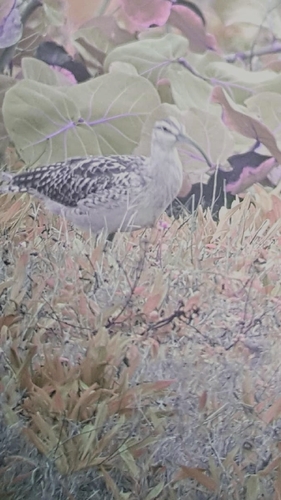 Bristle-thighed Curlew
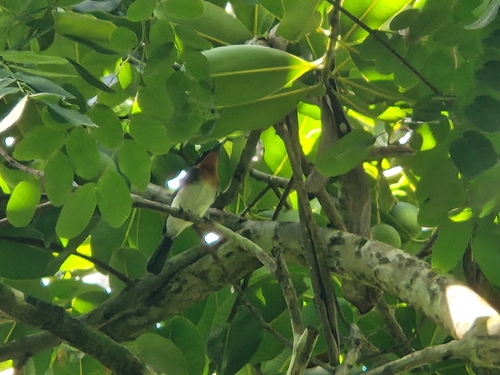 Samoan Flycatcher
In breve
La separazione più affidabile è la struttura: il Bristle-thighed Curlew è un grande uccello costiero con lunghe gambe e un lungo becco ricurvo, mentre il Samoan Flycatcher è molto più piccolo, con un becco corto, un uccello canoro che si posa. In volo o a riposo, la coda color crema e il sopracciglio pallido del curlew, insieme alla sua dimensione e forma, sono inconfondibili rispetto al compatto e verticale flycatcher. Anche i curlew immaturi mostrano queste differenze strutturali e di piumaggio. L'habitat è anche un forte indizio: i curlew si trovano su terreni aperti o lungo le coste, i flycatcher in foreste o giardini. La confusione è improbabile tranne che in un quiz, ma se vedi un uccello simile a un wader con un lungo becco, è il curlew.
Consigli di identificazione
- La dimensione è decisiva: il Bristle-thighed Curlew è molto più grande del Samoan Flycatcher; anche a distanza, la dimensione e le lunghe gambe del curlew si fanno notare. Nessun flycatcher nella regione si avvicina a questa dimensione.
- Forma del becco: il curlew ha un lungo becco fortemente ricurvo, usato per sondare; il flycatcher ha un becco corto e dritto adatto per catturare insetti. La lunghezza e la forma del becco sono visibili nella maggior parte delle viste.
- Gambe e postura: il curlew ha lunghe gambe visibili e cammina o corre a terra; il flycatcher si posa in posizione verticale, con gambe corte raramente viste chiaramente.
- Modello di coda e sopracciglio (tutte le età): il curlew mostra una coda color crema o ruggine e un sopracciglio pallido color crema-arancio, soprattutto evidente in volo o quando si pulisce. Il flycatcher non ha alcuna colorazione di coda o sopracciglio simile.
- Macchie sulle parti superiori: le parti superiori del curlew sono pesantemente macchiate con grandi segni color crema; il flycatcher è semplice o leggermente marcato, mai macchiato come un curlew.
- Pancia e fianchi: la pancia del curlew è pallida e non marcata, con fianchi appena segnati; le parti inferiori del flycatcher possono essere più chiare ma non nello stesso modello, e mai con l'aspetto pulito e non marcato del curlew.
- Contesto dell'habitat: il curlew si trova su terreni aperti, spiagge o fanghi; il flycatcher è in foresta, bosco o giardini. Se l'uccello è sugli alberi, è quasi sicuramente il flycatcher.
- Comportamento: il curlew cammina o corre a terra, spesso sondando con il suo becco; il flycatcher si posa e si lancia per catturare insetti, raramente visto a terra.
- Silhouette in volo: il curlew in volo mostra lunghe ali, lunghe gambe che seguono e un lungo becco ricurvo; il flycatcher è compatto, con ali e coda corte, e senza proiezione del becco.
- Forma in posa: il curlew sta orizzontalmente con il corpo parallelo al suolo; il flycatcher si posa in posizione verticale, spesso alzando la coda.
- Confusione di età: i curlew giovanili e immaturi mostrano ancora i segni chiave di coda e sopracciglio e le caratteristiche strutturali; nessuna età di flycatcher assomiglia mai a un curlew.
- Differenze sessuali: le femmine di curlew sono leggermente più grandi, ma entrambi i sessi condividono tutti i segni chiave sul campo; il dimorfismo sessuale del flycatcher non è descritto come diagnostico qui.
- Voce: Non descritta nelle note, quindi non affidabile per la separazione.
- Contesto stagionale: il curlew è migratorio e presente solo nelle isole del Pacifico nella stagione non riproduttiva; il flycatcher è residente in Samoa tutto l'anno. Se visto in Samoa al di fuori della finestra di migrazione del curlew, è più probabile che sia il flycatcher, ma la struttura e il piumaggio sono sempre indizi migliori.
- Trappole comuni: L'unica vera confusione è in un quiz o con una foto scadente; sul campo, dimensione, becco e habitat sono decisivi. Non fare affidamento su segni di piumaggio sottili quando la struttura e il contesto sono così diversi.
Taglia
Il Bristle-thighed Curlew è drammaticamente più grande: circa 40–44 cm (16–17 in) di lunghezza con un'apertura alare di 84 cm (33 in) [wikipedia]. Il Samoan Flycatcher è un piccolo passeriforme, molto più corto e leggero (misure esatte non fornite, ma i Monarchidae tipici sono intorno ai 15–20 cm di lunghezza). La dimensione del curlew è comparabile a quella di un Chiurlo piccolo, mentre il flycatcher è più vicino a un passero o a un piccolo tordo. Questo divario di dimensione è ovvio anche a distanza.
Piumaggio
Per tutte le età, il Bristle-thighed Curlew mostra parti superiori marroni con grandi macchie color crema, una pancia pallida e non marcata, e una coda distintiva color crema o ruggine e un sopracciglio pallido color crema-arancio. Questi segni sono visibili in volo e a riposo, anche negli immaturi. I fianchi del curlew sono appena segnati, e il contrasto coda/sopracciglio è forte. Il Samoan Flycatcher, al contrario, non ha alcuno di questi modelli tipici degli uccelli costieri: è un tipico flycatcher senza coda o sopracciglio color crema, e il suo piumaggio è adattato per la vita nella foresta, non per terreni aperti. Nessuna età o sesso di flycatcher mostra un modello di parte superiore dell'ala o di coda simile a quello del curlew. Anche i curlew giovanili mantengono i segni chiave di coda e sopracciglio, quindi la confusione di età è minima.
Comportamento
I curlew sono uccelli terrestri, spesso sondando fango o sabbia con i loro lunghi becchi, e camminano o corrono con un passo deliberato. In volo, mostrano forti battiti d'ala diretti e lunghe ali. I Samoan Flycatchers si posano in posizione verticale sui rami, lanciandosi per catturare insetti in aria, e raramente, se mai, camminano a terra. I loro movimenti sono rapidi, agili e più tipici degli uccelli canori di bosco. Queste differenze comportamentali sono evidenti se osservi per più di pochi secondi.
Habitat
Il Bristle-thighed Curlew nidifica in Alaska e sverna nelle isole tropicali del Pacifico, favorendo sempre terreni aperti, coste o pianure erbose. Il Samoan Flycatcher è endemico della Samoa e rimane in foreste umide subtropicali o tropicali, foreste montane o giardini rurali. Il curlew non si trova mai in foreste dense o giardini, e il flycatcher evita fanghi aperti o spiagge. Se vedi l'uccello in una foresta o giardino, è il flycatcher; su terreni aperti o lungo la costa, è il curlew.
Bristle-thighed Curlew · Samoan Flycatcher · I miei uccelli difficili