

blue quail vs harlequin quail
Synoicus adansonii versus Coturnix delegorguei
Jogue um quiz com blue quail e harlequin quail
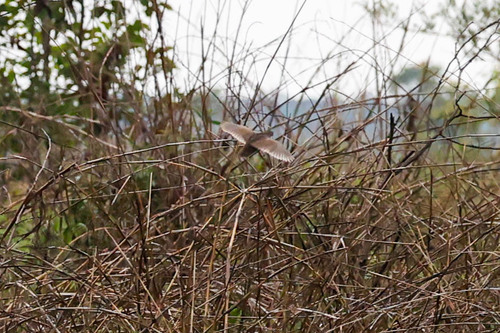 blue quail
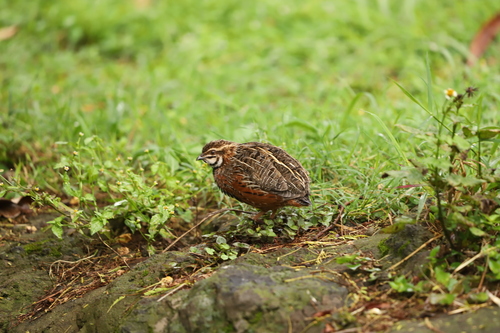 harlequin quail
Em resumo
A marca de campo mais confiável para separar blue quail de harlequin quail é o corpo distinto do macho blue quail, que é de um azul-ardósia escuro com uma mancha branca no peito e manchas rufas nas asas, em comparação com a aparência mais críptica e manchada do harlequin quail. As fêmeas e os juvenis de blue quail são de uma cor laranja-buff na cabeça e no pescoço e têm partes inferiores buff com barras pretas, enquanto o harlequin quail não apresenta esses tons laranja-buff. O blue quail é visivelmente menor e mais leve que o harlequin quail, o que é uma pista estrutural chave se vistos lado a lado. A cor das pernas (amarela no blue quail) e a cor dos olhos (vermelha no macho blue quail em época de reprodução) também podem ajudar, especialmente a curta distância. Ambas as espécies se sobrepõem na África subsaariana, portanto, atenção cuidadosa a esses detalhes é essencial.
Dicas de identificação
- Tamanho: Blue quail é muito menor e mais leve (43–44 g) que harlequin quail (75 g). Use isso quando você tiver uma boa noção de escala ou ver ambos juntos.
- Plumagem Masculina: O macho blue quail é inconfundível com seu corpo azul-ardósia escuro, mancha branca no peito e manchas rufas nas asas. Machos de harlequin quail nunca são azuis e não têm a mancha branca no peito.
- Cabeça e Pescoço de Fêmea/Imaturo: Fêmeas e juvenis de blue quail têm laranja-buff na testa, lados da cabeça e pescoço, e flancos. Fêmeas e imaturos de harlequin quail não mostram essa cor; são mais uniformemente marrons.
- Padrão das Partes Inferiores: Fêmeas e juvenis de blue quail têm partes inferiores buff com barras pretas distintas. Harlequin quail é mais uniformemente manchado e não tem listras fortes.
- Partes Superiores: Fêmeas e juvenis de blue quail têm manchas e listras pretas e rufas nas partes superiores. Harlequin quail é mais críptico e não tem os tons rufos.
- Cor das Pernas: Blue quail tem pernas amarelas em todas as plumagens. A cor das pernas do harlequin quail não é especificada aqui, mas pernas amarelas são uma marca útil para blue quail.
- Cor dos Olhos: O macho blue quail em época de reprodução tem olhos vermelhos, enquanto os juvenis têm olhos marrons. A cor dos olhos do harlequin quail não é notada, mas olhos vermelhos em um macho azul-ardósia são diagnósticos para blue quail.
- Cor do Bico: O macho blue quail tem um bico preto; o da fêmea é acastanhado. A cor do bico do harlequin quail não é especificada, mas um bico preto em um pássaro de corpo azul é uma forte marca de blue quail.
- Padrão da Garganta: O macho blue quail tem uma garganta preta e branca. Harlequin quail não mostra esse padrão.
- Padrão da Coroa e Cabeça: A fêmea blue quail tem uma coroa marrom com manchas pretas, o que pode ajudar se vista bem. Harlequin quail é mais uniformemente marrom.
- Penas de Voo: Ambos têm penas de voo marrons; não há forte contraste no padrão das asas, então confie na coloração do corpo e da cabeça em voo.
- Habitat: Não é útil para separação, pois ambos se sobrepõem na África subsaariana.
- Comportamento: Ambas as espécies se comportam de maneira semelhante, então não use o comportamento para separação.
- Voz: Nenhuma diferença vocal é fornecida nas fontes; não confie em chamadas ou canções para separação.
- Armadilha: Fêmeas e juvenis de blue quail podem ser confundidos com harlequin quail devido à sua coloração críptica, mas procure os tons laranja-buff e as partes inferiores barradas para confirmar a identificação.
Tamanho
Blue quail é significativamente menor e mais leve que harlequin quail. Blue quail mede 14–16,5 cm de comprimento e pesa cerca de 43–44 g, enquanto harlequin quail é muito mais pesado, cerca de 75 g [wikidata]. Essa diferença de tamanho pode ser aparente em comparação direta ou com experiência, mas pode ser sutil no campo, a menos que ambos sejam vistos juntos. A estrutura é, de outra forma, semelhante, sem notas sobre diferenças significativas na forma do bico ou da cauda.
Plumagem
-
Juvenil/Imaturo: O juvenil blue quail se assemelha à fêmea adulta, com laranja-buff na cabeça e no pescoço, partes inferiores buff com barras pretas e partes superiores manchadas de preto e rufas. Os juvenis de harlequin quail não são descritos em detalhes aqui, mas não têm os tons laranja-buff e são geralmente mais crípticos em padrão geral.
-
Macho Adulto: Machos de blue quail são strikingly dark slaty-blue com manchas rufas nas asas, uma mancha branca no peito, uma garganta preta e branca, e uma cabeça marrom. Seus olhos ficam vermelhos na época de reprodução. Machos de harlequin quail não mostram essa coloração azul ou mancha branca no peito, sendo mais marrons e crípticos.
-
Fêmea Adulta: Fêmeas de blue quail têm laranja-buff na testa, lados da cabeça e pescoço, e flancos, com uma coroa marrom manchada de preto e partes inferiores buff com barras pretas. Fêmeas de harlequin quail são mais uniformemente marrons e não têm o laranja-buff e as listras fortes.
-
Penas de Voo: Blue quail tem penas de voo marrons; nenhum padrão de asa contrastante é notado para ambas as espécies, então a separação em voo depende da coloração geral e do tamanho.
Comportamento
Ambas as espécies são codornas que habitam o solo na mesma família e região, então seu comportamento é provavelmente muito semelhante—escondendo-se na grama, levantando voo rapidamente e baixo quando perturbadas. Nenhuma diferença comportamental é notada nas fontes.
Habitat
Ambas as espécies ocorrem na África subsaariana e podem se sobrepor em alcance. Nenhuma diferença de habitat é detalhada nas fontes, então o habitat não é um separador confiável.