

Motmot

アオヒメウズラ 対 ヤクシャウズラ

Synoicus adansonii 対 Coturnix delegorguei

アオヒメウズラとヤクシャウズラのクイズ
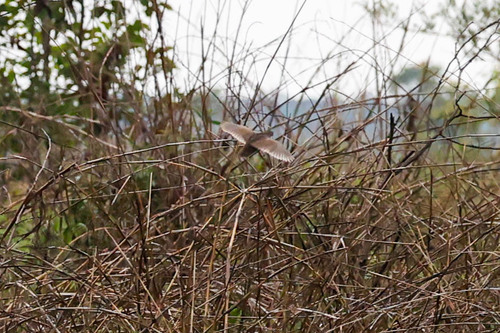
アオヒメウズラ (Synoicus adansonii) アオヒメウズラ
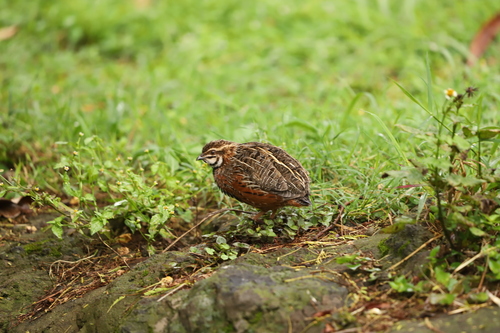
ヤクシャウズラ (Coturnix delegorguei) ヤクシャウズラ

メディア

読み込み中…

要点

アオヒメウズラとヤクシャウズラを区別する最も信頼できるフィールドマークは、アオヒメウズラのオスの特徴的な暗いスレートブルーの体に白い胸の斑点と赤褐色の翼の斑点があるのに対し、ヤクシャウズラはより隠れた斑点模様の外観を持っていることです。雌と幼鳥のアオヒメウズラは頭と首がオレンジバフで、腹部はバフ色で黒い縞模様がありますが、ヤクシャウズラにはこれらのオレンジバフの色合いがありません。アオヒメウズラはヤクシャウズラよりも明らかに小さく軽いので、並べて見ると重要な構造的手がかりになります。脚の色(アオヒメウズラは黄色)と目の色(繁殖期のオスのアオヒメウズラは赤)も役立ちます、特に近距離で。両種はサハラ以南のアフリカで重なっているため、これらの詳細に注意を払うことが重要です。

識別のコツ

  1. Size: アオヒメウズラはヤクシャウズラよりもはるかに小さく軽い(43–44 g)です。このサイズを利用して、スケール感があるときや両方を一緒に見るときに使ってください。
  2. Male Plumage: オスのアオヒメウズラは、その暗いスレートブルーの体、白い胸の斑点、赤褐色の翼の斑点で間違いなく識別できます。ヤクシャウズラのオスは決して青くなく、白い胸の斑点がありません。
  3. Female/Immature Head and Neck: 雌と幼鳥のアオヒメウズラは、額、頭の側面、首、脇腹にオレンジバフがあります。ヤクシャウズラの雌と幼鳥はこの色を示さず、より均一に茶色です。
  4. Underparts Pattern: アオヒメウズラの雌と幼鳥は、明確な黒い縞模様のあるバフ色の腹部を持っています。ヤクシャウズラはより均一に斑点模様があり、強い縞模様がありません。
  5. Upperparts: アオヒメウズラの雌と幼鳥は、上面に黒と赤褐色の斑点と筋模様があります。ヤクシャウズラはより隠れた模様で、赤褐色の色合いがありません。
  6. Leg Color: アオヒメウズラはすべての羽色で黄色い脚を持っています。ヤクシャウズラの脚の色はここでは指定されていませんが、黄色い脚はアオヒメウズラの有用なマークです。
  7. Eye Color: 繁殖期のオスのアオヒメウズラは赤い目を持ち、幼鳥は茶色の目を持っています。ヤクシャウズラの目の色は記載されていませんが、スレートブルーのオスの赤い目はアオヒメウズラの診断的な特徴です。
  8. Bill Color: オスのアオヒメウズラは黒いくちばしを持ち、雌は茶色がかっています。ヤクシャウズラのくちばしの色は指定されていませんが、青い体の鳥の黒いくちばしはアオヒメウズラの強いマークです。
  9. Throat Pattern: オスのアオヒメウズラは黒と白の喉を持っています。ヤクシャウズラはこの模様を示しません。
  10. Crown and Head Pattern: 雌のアオヒメウズラは黒い斑点のある茶色の冠を持ち、よく見えると役立ちます。ヤクシャウズラはより均一に茶色です。
  11. Flight Feathers: 両方とも茶色の飛行羽を持っています。翼の模様に強いコントラストはないため、飛行中は体と頭の色に依存します。
  12. Habitat: 両種はサハラ以南のアフリカで重なっているため、分離には役立ちません。
  13. Behavior: 両種は同じ科と地域の地上に生息するウズラであり、行動は非常に似ている可能性が高いです—草の中で隠れ、刺激を受けると急速に低空で飛び立ちます。情報源には行動の違いは記載されていません。
  14. Voice: 情報源には音声の違いは提供されていないため、分離のために呼び声や歌に依存しないでください。
  15. Pitfall: 雌と幼鳥のアオヒメウズラはその隠れた色合いのためにヤクシャウズラと混同される可能性がありますが、オレンジバフの色合いと縞模様のある腹部を探してIDを確定させてください。

大きさ

アオヒメウズラはヤクシャウズラよりも明らかに小さく軽いです。アオヒメウズラは長さ14–16.5 cmで、体重は約43–44 gですが、ヤクシャウズラは約75 gとずっと重いです [wikidata]。このサイズの違いは、直接比較や経験で明らかになることがありますが、両方が一緒に見られない限り、フィールドでは微妙かもしれません。構造は他に類似しており、くちばしや尾の形状に関する主要な違いのメモはありません。

羽色

行動

両種は同じ科と地域の地上に生息するウズラであり、行動は非常に似ている可能性が高いです—草の中で隠れ、刺激を受けると急速に低空で飛び立ちます。情報源には行動の違いは記載されていません。

生息環境

両種はサハラ以南のアフリカに生息し、範囲が重なることがあります。情報源には生息地の違いは詳細に記載されていないため、生息地は信頼できる分離要因ではありません。

より良い説明を送る

比較と同じ項目を使ってください。文章はすぐに公開されます。

The most reliable field mark to separate Blue Quail from Harlequin Quail is the Blue Quail male's distinctive dark slaty-blue body with a white breast patch and rufous wing patches, versus the more cryptic, mottled appearance of Harlequin Quail. Female and juvenile Blue Quail are orange-buff on the head and neck and have buff underparts with black bars, while Harlequin Quail lacks these orange-buff tones. Blue Quail is noticeably smaller and lighter than Harlequin Quail, which is a key structural clue if seen side-by-side. Leg color (yellow in Blue Quail) and eye color (red in breeding male Blue Quail) can also help, especially at close range. Both species overlap in sub-Saharan Africa, so careful attention to these details is essential.

  1. Size: Blue Quail is much smaller and lighter (43–44 g) than Harlequin Quail (75 g). Use this when you have a good sense of scale or see both together.
  2. Male Plumage: Male Blue Quail is unmistakable with its dark slaty-blue body, white breast patch, and rufous wing patches. Harlequin Quail males are never blue and lack the white breast patch.
  3. Female/Immature Head and Neck: Female and juvenile Blue Quail have orange-buff on the forehead, sides of head and neck, and flanks. Harlequin Quail females and immatures do not show this color; they are more uniformly brown.
  4. Underparts Pattern: Blue Quail females and juveniles have buff underparts with distinct black bars. Harlequin Quail is more evenly mottled and lacks strong barring.
  5. Upperparts: Blue Quail females and juveniles have black and rufous mottling and streaking on the upperparts. Harlequin Quail is more cryptic and lacks the rufous tones.
  6. Leg Color: Blue Quail has yellow legs in all plumages. Harlequin Quail's leg color is not specified here, but yellow legs are a useful mark for Blue Quail.
  7. Eye Color: Breeding male Blue Quail has red eyes, while juveniles have brown eyes. Harlequin Quail eye color is not noted, but red eyes in a slaty-blue male are diagnostic for Blue Quail.
  8. Bill Color: Male Blue Quail has a black beak; female's is brownish. Harlequin Quail's bill color is not specified, but a black bill in a blue-bodied bird is a strong Blue Quail mark.
  9. Throat Pattern: Male Blue Quail has a black and white throat. Harlequin Quail does not show this pattern.
  10. Crown and Head Pattern: Female Blue Quail has a brown crown with black mottles, which can help if seen well. Harlequin Quail is more uniformly brown.
  11. Flight Feathers: Both have brown flight feathers; no strong contrast in wing pattern, so rely on body and head coloration in flight.
  12. Habitat: Not helpful for separation, as both overlap in sub-Saharan Africa.
  13. Behavior: Both species behave similarly, so do not use behavior for separation.
  14. Voice: No vocal differences are provided in the sources; do not rely on call or song for separation.
  15. Pitfall: Female and juvenile Blue Quail can be confused with Harlequin Quail due to their cryptic coloration, but look for the orange-buff tones and barred underparts to clinch the ID.

Blue Quail is significantly smaller and lighter than Harlequin Quail. Blue Quail measures 14–16.5 cm in length and weighs around 43–44 g, while Harlequin Quail is much heavier at about 75 g [wikidata]. This size difference can be apparent in direct comparison or with experience, but may be subtle in the field unless both are seen together. Structure is otherwise similar, with no notes on major differences in bill or tail shape.

  • Juvenile/Immature: Juvenile Blue Quail resembles the adult female, with orange-buff on the head and neck, buff underparts with black bars, and upperparts mottled with black and rufous. Harlequin Quail juveniles are not described in detail here, but lack the orange-buff tones and are generally more cryptically patterned overall.

  • Adult Male: Blue Quail males are strikingly dark slaty-blue with rufous patches on the wings, a white breast patch, a black and white throat, and a brown head. Their eyes become red in breeding season. Harlequin Quail males do not show this blue coloration or white breast patch, instead being more brown and cryptic.

  • Adult Female: Female Blue Quail have orange-buff on the forehead, sides of head and neck, and flanks, with a brown, black-mottled crown and buff underparts with black bars. Harlequin Quail females are more uniformly brown and lack the orange-buff and strong barring.

  • Flight Feathers: Blue Quail has brown flight feathers; no contrasting wing pattern is noted for either species, so in-flight separation relies on overall coloration and size.

Both species are ground-dwelling quails in the same family and region, so their behavior is likely very similar—skulking in grass, flushing with rapid, low flight when disturbed. No behavioral differences are noted in the sources.

Both species occur in sub-Saharan Africa and can overlap in range. No habitat differences are detailed in the sources, so habitat is not a reliable separator.

変更を破棄しますか?

保存していない編集があります。今離れると失われます。

アオヒメウズラ · ヤクシャウズラ · 苦手な鳥