

Blue Quail vs Harlequin Quail
Synoicus adansonii contro Coturnix delegorguei
Fai un quiz con Blue Quail e Harlequin Quail
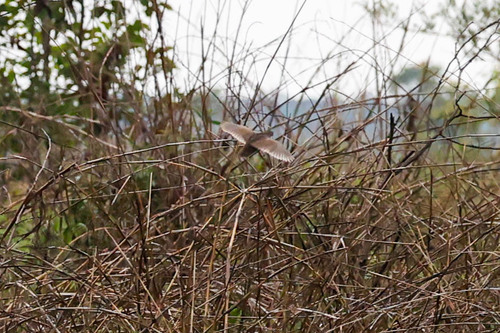 Blue Quail
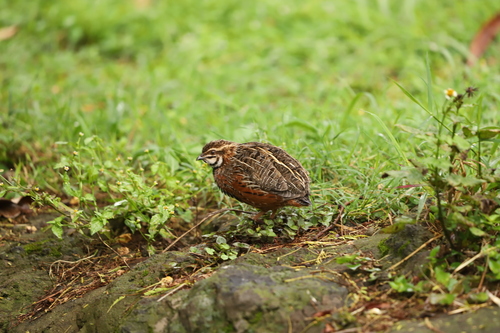 Harlequin Quail
In breve
Il segno di campo più affidabile per separare il Blue Quail dall'Harlequin Quail è il corpo distintivo di colore blu scuro piombo del maschio di Blue Quail con una macchia bianca sul petto e macchie ruggine sulle ali, rispetto all'aspetto più criptico e maculato dell'Harlequin Quail. Le femmine e i giovani Blue Quail sono di colore arancio-buff sulla testa e sul collo e hanno parti inferiori di colore buff con barre nere, mentre l'Harlequin Quail non presenta queste tonalità arancio-buff. Il Blue Quail è notevolmente più piccolo e leggero rispetto all'Harlequin Quail, il che è un indizio strutturale chiave se visti fianco a fianco. Il colore delle gambe (giallo nel Blue Quail) e il colore degli occhi (rosso nel maschio in riproduzione del Blue Quail) possono anche aiutare, specialmente a distanza ravvicinata. Entrambe le specie si sovrappongono nell'Africa subsahariana, quindi prestare attenzione a questi dettagli è essenziale.
Consigli di identificazione
- Size: Il Blue Quail è molto più piccolo e leggero (43–44 g) rispetto all'Harlequin Quail (75 g). Usa questo quando hai una buona percezione della scala o vedi entrambi insieme.
- Male Plumage: Il maschio di Blue Quail è inconfondibile con il suo corpo blu scuro piombo, la macchia bianca sul petto e le macchie ruggine sulle ali. I maschi di Harlequin Quail non sono mai blu e mancano della macchia bianca sul petto.
- Female/Immature Head and Neck: Le femmine e i giovani Blue Quail hanno arancio-buff sulla fronte, sui lati della testa e del collo e sui fianchi. Le femmine e i giovani di Harlequin Quail non mostrano questo colore; sono più uniformemente marroni.
- Underparts Pattern: Le femmine e i giovani Blue Quail hanno parti inferiori di colore buff con barre nere distinte. L'Harlequin Quail è più uniformemente maculato e manca di forti barre.
- Upperparts: Le femmine e i giovani Blue Quail hanno maculature e striature nere e ruggine sulle parti superiori. L'Harlequin Quail è più criptico e manca delle tonalità ruggine.
- Leg Color: Il Blue Quail ha gambe gialle in tutte le piumature. Il colore delle gambe dell'Harlequin Quail non è specificato qui, ma le gambe gialle sono un segno utile per il Blue Quail.
- Eye Color: Il maschio in riproduzione del Blue Quail ha occhi rossi, mentre i giovani hanno occhi marroni. Il colore degli occhi dell'Harlequin Quail non è annotato, ma occhi rossi in un maschio blu scuro sono diagnostici per il Blue Quail.
- Bill Color: Il maschio di Blue Quail ha un becco nero; quello della femmina è marrone. Il colore del becco dell'Harlequin Quail non è specificato, ma un becco nero in un uccello dal corpo blu è un forte segno distintivo del Blue Quail.
- Throat Pattern: Il maschio di Blue Quail ha una gola nera e bianca. L'Harlequin Quail non mostra questo schema.
- Crown and Head Pattern: La femmina di Blue Quail ha una corona marrone con macchie nere, che può aiutare se vista bene. L'Harlequin Quail è più uniformemente marrone.
- Flight Feathers: Entrambi hanno piume di volo marroni; non c'è un forte contrasto nel modello delle ali, quindi fai affidamento sulla colorazione del corpo e della testa in volo.
- Habitat: Non è utile per la separazione, poiché entrambe si sovrappongono nell'Africa subsahariana.
- Behavior: Entrambe le specie si comportano in modo simile, quindi non usare il comportamento per la separazione.
- Voice: Non sono fornite differenze vocali nelle fonti; non fare affidamento sul richiamo o sul canto per la separazione.
- Pitfall: Le femmine e i giovani Blue Quail possono essere confusi con l'Harlequin Quail a causa della loro colorazione criptica, ma cerca le tonalità arancio-buff e le parti inferiori barrate per confermare l'identificazione.
Taglia
Il Blue Quail è significativamente più piccolo e leggero rispetto all'Harlequin Quail. Il Blue Quail misura 14–16,5 cm di lunghezza e pesa circa 43–44 g, mentre l'Harlequin Quail è molto più pesante, circa 75 g [wikidata]. Questa differenza di dimensioni può essere evidente in un confronto diretto o con esperienza, ma può essere sottile sul campo a meno che entrambi non siano visti insieme. La struttura è altrimenti simile, senza note su differenze significative nella forma del becco o della coda.
Piumaggio
-
Juvenile/Immature: Il giovane Blue Quail assomiglia alla femmina adulta, con arancio-buff sulla testa e sul collo, parti inferiori di colore buff con barre nere e parti superiori maculate di nero e ruggine. I giovani di Harlequin Quail non sono descritti in dettaglio qui, ma mancano delle tonalità arancio-buff e sono generalmente più cripticamente patternizzati nel complesso.
-
Adult Male: I maschi di Blue Quail sono di un blu scuro piombo sorprendentemente scuro con macchie ruggine sulle ali, una macchia bianca sul petto, una gola nera e bianca e una testa marrone. I loro occhi diventano rossi durante la stagione di riproduzione. I maschi di Harlequin Quail non mostrano questa colorazione blu o la macchia bianca sul petto, essendo invece più marroni e criptici.
-
Adult Female: Le femmine di Blue Quail hanno arancio-buff sulla fronte, sui lati della testa e del collo e sui fianchi, con una corona marrone maculata di nero e parti inferiori di colore buff con barre nere. Le femmine di Harlequin Quail sono più uniformemente marroni e mancano delle barre arancio-buff e forti.
-
Flight Feathers: Il Blue Quail ha piume di volo marroni; non è annotato alcun modello di ali contrastante per entrambe le specie, quindi la separazione in volo si basa sulla colorazione e sulla dimensione complessive.
Comportamento
Entrambe le specie sono quaglie terrestri nella stessa famiglia e regione, quindi il loro comportamento è probabilmente molto simile: si nascondono nell'erba, volano rapidamente e a bassa quota quando disturbate. Non sono annotate differenze comportamentali nelle fonti.
Habitat
Entrambe le specie si trovano nell'Africa subsahariana e possono sovrapporsi nell'areale. Non sono dettagliate differenze di habitat nelle fonti, quindi l'habitat non è un separatore affidabile.