

maitaca-de-cabeça-azul/maitaca-de-barriga-azul vs white-crowned parrot
Pionus menstruus versus Pionus senilis
Jogue um quiz com maitaca-de-cabeça-azul/maitaca-de-barriga-azul e white-crowned parrot
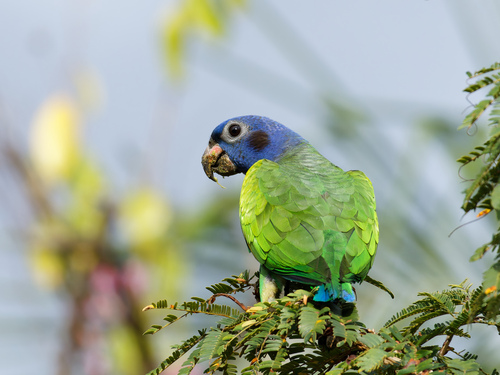 maitaca-de-cabeça-azul/maitaca-de-barriga-azul
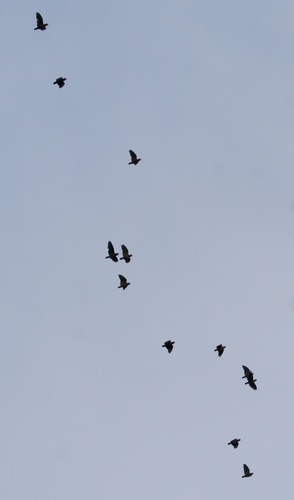 white-crowned parrot
Em resumo
A marca de campo mais confiável para separar a maitaca-de-cabeça-azul da white-crowned parrot é a cor da cabeça: as maitacas-de-cabeça-azul adultas têm uma cabeça e pescoço azul brilhante, enquanto as white-crowned parrots adultas apresentam uma coroa branca nítida, testa e lore, com o restante da cabeça principalmente verde ou com tons azulados. As aves imaturas são mais complicadas: as maitacas-de-cabeça-azul juvenis têm menos azul na cabeça e podem mostrar penas avermelhadas ou rosadas ao redor do cere, enquanto as white-crowned parrots juvenis não têm a coroa branca, mostrando em vez disso uma cabeça verde com bochechas e coroa amarelas pálidas. Ambas as espécies têm coberturas vermelhas na cauda, mas a coloração das asas e do corpo difere em detalhes. A estrutura e o tamanho são semelhantes, mas a maitaca-de-cabeça-azul é ligeiramente maior e mais pesada. A sobreposição de habitat é limitada, com a maitaca-de-cabeça-azul encontrada principalmente na América do Sul e no sul da América Central, e a white-crowned parrot restrita à América Central e ao sul do México.
Dicas de identificação
- Cor da cabeça (adultos): A maitaca-de-cabeça-azul sempre mostra uma cabeça e pescoço azul brilhante, enquanto a white-crowned parrot tem uma coroa branca nítida, testa e lore, com o restante da cabeça esverdeada ou com tons azulados. Esta é a única marca mais confiável em adultos.
- Cor da cabeça (juvenis): As maitacas-de-cabeça-azul juvenis têm cabeças principalmente verdes com pouco azul e podem mostrar penas avermelhadas ou rosadas ao redor do cere. As white-crowned parrots juvenis não têm branco na coroa, mostrando em vez disso uma cabeça verde com bochechas e coroa amarelas pálidas. As aves imaturas de ambas as espécies podem ser confusas, mas a ausência de branco na coroa elimina a white-crowned adulta.
- Garganta e queixo: A white-crowned parrot tem uma mancha branca no queixo e no centro da garganta, visível mesmo quando a coroa está parcialmente obscurecida. A maitaca-de-cabeça-azul não tem isso, com a garganta combinando com o azul da cabeça ou o verde do corpo.
- Manchas auriculares: A maitaca-de-cabeça-azul tem manchas auriculares escuras contrastando com a cabeça azul; a região auricular da white-crowned parrot é esverdeada com pontas de penas azuis ou roxas, mas não distintamente mais escuras.
- Coberturas das asas: A maitaca-de-cabeça-azul mostra tons amarelados nas coberturas das asas, enquanto as coberturas menores e medianas da white-crowned parrot são marrons avermelhadas com pontas pálidas, dando uma aparência manchada em aves empoleiradas e uma aparência com manchas marrons em voo.
- Costas e manto: A white-crowned parrot tem um manto e costas marrons avermelhadas, contrastando com os escapulares verdes e a região da cauda. As costas da maitaca-de-cabeça-azul são verdes, combinando com o restante do corpo.
- Cor do bico: A maitaca-de-cabeça-azul tem um maxilar superior preto com lados avermelhados; o bico da white-crowned parrot é amarelado com um leve tom esverdeado. A cor do bico pode ser sutil, mas ajuda em distâncias curtas.
- Coberturas da cauda: Ambas as espécies têm coberturas vermelhas na cauda, então isso não é um separador seguro.
- Visões em voo: Em voo, a white-crowned parrot mostra manchas marrons na asa superior e um efeito manchado, enquanto a asa da maitaca-de-cabeça-azul é mais uniformemente verde com coberturas amareladas. Ambas as espécies mostram coberturas vermelhas na cauda em voo.
- Confusão juvenil: As maitacas-de-cabeça-azul imaturas podem ser confundidas com a white-crowned se o capuz azul não estiver totalmente desenvolvido, mas a ausência de qualquer branco na coroa e a presença de penas avermelhadas ao redor do cere apontam para a maitaca-de-cabeça-azul. As white-crowned parrots juvenis não têm branco na coroa e têm bochechas amareladas, não azuis.
- Tamanho: A maitaca-de-cabeça-azul é ligeiramente maior e mais pesada, mas isso raramente é óbvio a menos que as aves estejam lado a lado.
- Habitat e distribuição: Se vista na América do Sul (fora do Panamá/Costa Rica), é quase certamente a maitaca-de-cabeça-azul. No México ou no norte da América Central, apenas a white-crowned parrot ocorre. No Panamá e na Costa Rica, ambas são possíveis, então use marcas de plumagem.
- Voz: A maitaca-de-cabeça-azul emite chamados agudos e estridentes, enquanto o chamado da white-crowned parrot é um grito mais áspero. Isso pode ajudar com a experiência, mas não é sempre diagnóstico.
- Sexos: Ambas as espécies são sexualmente monomórficas; machos e fêmeas se parecem.
- Comportamento: Ambas são sociais, cautelosas e frequentemente vistas em pequenos bandos, então o comportamento não é um separador confiável.
Tamanho
A maitaca-de-cabeça-azul é a maior e mais pesada das duas, alcançando cerca de 27–28 cm de comprimento e pesando até 245 g, enquanto a white-crowned parrot é menor, com cerca de 24 cm e 212 g [wikipedia][wikidata]. Ambas são papagaios de tamanho médio, corpo largo e caudas curtas, mas a diferença de tamanho é sutil e nem sempre confiável em campo, a menos que vistas lado a lado.
Plumagem
- Aves juvenis/imaturas:
- As maitacas-de-cabeça-azul juvenis têm cabeças principalmente verdes com apenas um pouco de azul, e frequentemente mostram penas vermelhas ou rosadas ao redor do cere. O capuz azul se desenvolve gradualmente, levando até dois anos para alcançar a intensidade total.
- As white-crowned parrots juvenis não têm a coroa branca; sua cabeça, pescoço e peito são verdes, com bochechas e coroa amarelas pálidas.
- Adultos:
- Maitaca-de-cabeça-azul: Cabeça, pescoço e parte superior do peito azul brilhante; corpo principalmente verde; coberturas vermelhas na cauda; amareladas nas coberturas das asas; manchas auriculares escuras; maxilar superior preto com lados avermelhados.
- White-crowned parrot: Coroa, testa, lore, queixo e centro da garganta brancos puros; restante da cabeça verde com pontas de penas azuladas e roxas; manto e costas marrons avermelhadas; barriga verde; coberturas vermelhas na cauda; coberturas primárias azul-violeta e coberturas maiores verdes; coberturas menores e medianas marrons avermelhadas com pontas pálidas, dando uma aparência manchada nas asas; região da cauda e coberturas superiores mais verdes e brilhantes.
- Visões em voo: Ambas mostram coberturas vermelhas na cauda, mas a asa superior da white-crowned parrot tem manchas marrons e uma aparência manchada, enquanto a asa da maitaca-de-cabeça-azul é mais uniformemente verde com coberturas amareladas.
Comportamento
Ambas as espécies são sociais e frequentemente vistas em pequenos bandos ou pares. As maitacas-de-cabeça-azul são barulhentas, especialmente em locais de pouso, e podem se reunir em grandes números ao amanhecer e ao anoitecer. As white-crowned parrots também são sociais, mas mais cautelosas, frequentemente voando com gritos altos quando perturbadas. Ambas escalam galhos enquanto se alimentam e são cautelosas no dossel. Nenhuma diferença comportamental importante é diagnóstica para separação em campo.
Habitat
A maitaca-de-cabeça-azul é encontrada principalmente em florestas úmidas e semi-úmidas e em áreas semi-abertas na América do Sul tropical, estendendo-se para o sul da América Central (Costa Rica, Panamá, Trinidad, Venezuela, Bolívia, Brasil). Ela evita a espinha dos Andes e é em grande parte amazônica, com algumas populações costeiras disjuntas. A white-crowned parrot é restrita à América Central, do leste do México ao oeste do Panamá, em áreas de baixada e encostas até 1600 m, favorecendo bordas de florestas, dossel e crescimento secundário adjacente. A sobreposição é limitada ao sul da América Central (Costa Rica, Panamá), então o contexto pode ajudar, mas não é sempre diagnóstico.
Voz
A maitaca-de-cabeça-azul emite chamados agudos e estridentes 'sweenk' e é geralmente barulhenta em locais de pouso. A white-crowned parrot tem um chamado mais áspero e estridente, descrito como 'kreeek-kreeek' ou 'kree-ah-kee-ah', especialmente em voo. Ambas podem ser silenciosas enquanto empoleiradas no dossel. A voz pode ajudar com a experiência, mas a sobreposição em aspereza e volume significa que nem sempre é confiável para separação rápida.
maitaca-de-cabeça-azul/maitaca-de-barriga-azul · white-crowned parrot · Minhas aves difíceis