

black currawong vs australian raven
Strepera fuliginosa versus Corvus coronoides
Jogue um quiz com black currawong e australian raven
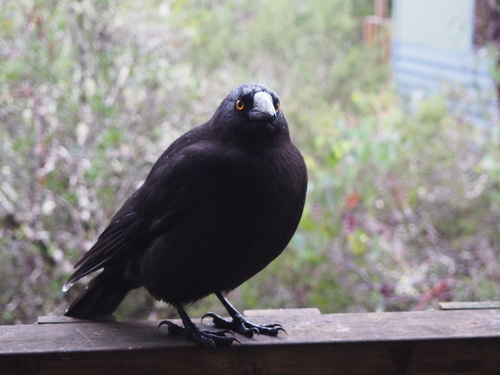 black currawong
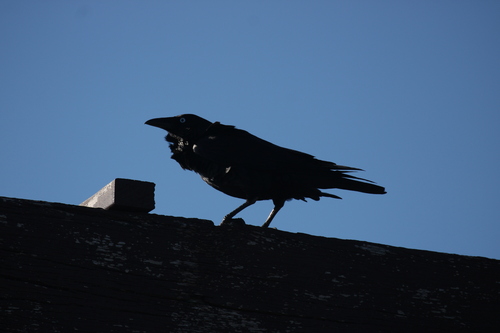 australian raven
Em resumo
A maneira mais confiável de separar o black currawong do australian raven é a presença de manchas brancas ousadas nas asas e na cauda do currawong, visíveis em todas as idades e especialmente impressionantes em voo; o raven é completamente preto, sem nenhuma mancha branca nas asas ou na cauda. A cor dos olhos também é diagnóstica em todas as idades: o black currawong tem íris amarelas brilhantes, enquanto os australian ravens adultos têm íris brancas (os imaturos têm olhos mais escuros). A estrutura difere: os currawongs têm um bico mais pesado e uma aparência um pouco mais curta e robusta, enquanto os ravens são mais volumosos no geral e têm uma cauda mais em forma de cunha. Ambos são grandes pássaros pretos, semelhantes a corvos, mas o currawong é endêmico da Tasmânia e das ilhas próximas, enquanto o raven é amplamente distribuído no continente australiano.
Dicas de identificação
- Manchas brancas nas asas e na cauda (todas as idades, todas as estações): O black currawong sempre mostra branco nas pontas das asas e na cauda, formando uma borda branca clara em voo e manchas brancas visíveis quando empoleirado. O australian raven é completamente preto nessas áreas.
- Cor dos olhos (todas as idades, mas especialmente adultos): O black currawong tem íris amarelas brilhantes em todas as idades. Os australian ravens adultos têm íris brancas, mas os imaturos têm olhos escuros ou avelã, então cuidado com os jovens ravens.
- Forma e tamanho do bico: O currawong tem um bico pesado e profundo com uma leve curva, mas é proporcionalmente mais curto do que o bico muito longo, pesado e levemente curvado do raven. O bico do raven é mais longo que sua cabeça.
- Brilho e textura das penas: Os adultos do australian raven têm um brilho azul-púrpura ou esverdeado nas partes superiores, especialmente em boa luz. O black currawong é preto fosco, às vezes desbotando para um marrom escuro com o desgaste, e não possui o forte brilho.
- Penachos na garganta (adultos): Ao chamar, os australian ravens adultos mostram longos penachos pontudos na garganta, dando uma aparência de barba. Os currawongs não têm essa característica.
- Plumagem juvenil: Os jovens currawongs são mais marrons com uma abertura amarela, mas ainda mostram branco nas asas/cauda. Os ravens juvenis são mais suaves, marrons, não têm penachos e podem ter uma abertura rosada, mas são completamente pretos nas asas e na cauda.
- Padrão de voo: O black currawong tem um voo ondulante e saltitante com flashes brancos proeminentes nas asas. O voo do raven é mais estável, com asas largas e uma cauda em forma de cunha.
- Forma da cauda: O raven tem uma cauda arredondada a em forma de cunha, muitas vezes óbvia em voo. A cauda do currawong é ligeiramente mais curta e menos em forma de cunha.
- Pernas e pés: Ambos têm pernas pretas fortes, mas as do raven são especialmente robustas e a tíbia é totalmente plumosa.
- Habitat e distribuição: Se você estiver na Tasmânia ou nas ilhas do Estreito de Bass, um grande pássaro preto com branco nas asas é um currawong. No continente australiano, os ravens são muito mais prováveis.
- Comportamento em grupo: Os currawongs podem se reunir em grandes bandos, especialmente fora da temporada de reprodução, e frequentemente se envolvem em comportamentos brincalhões ou sociais. Os ravens são mais frequentemente solitários ou em pequenos grupos.
- Vocalizações: O chamado do currawong é distinto e não se parece com os lamentos ou crocitas prolongadas do raven. Use a voz como uma pista de apoio.
- Contexto com outras espécies: Se você ver um pássaro associando-se a butcherbirds ou magpies, o currawong é mais provável; os ravens são mais frequentemente vistos com outros corvídeos.
- Desgaste da plumagem: Ambas as espécies podem parecer mais marrons quando as penas estão desgastadas, mas apenas o currawong mostrará branco nas asas/cauda.
- Armadilhas: Cuidado com ravens imaturos com olhos escuros e plumagem acastanhada; verifique se há branco nas asas/cauda e a cor dos olhos para confirmar o currawong.
Tamanho
O australian raven é significativamente mais pesado (massa média do adulto ~630 g) e tem uma envergadura maior (cerca de 100 cm) em comparação com o black currawong (massa média do adulto ~377 g, envergadura ~80 cm). Ambas as espécies são semelhantes em comprimento (currawong ~50 cm, raven 46–53 cm), mas o raven é mais volumoso e robusto no geral. No campo, a menos que ambos sejam vistos lado a lado, o tamanho sozinho nem sempre é confiável devido à sobreposição e diferenças de postura.
Plumagem
Para todas as idades, o black currawong mostra manchas brancas claras nas pontas das asas e penas da cauda, formando uma borda branca e um arco pálido nas bases das primárias, especialmente notável em voo. Os currawongs imaturos têm um tom mais marrom e uma abertura amarela até os dois anos, mas ainda mostram as marcas brancas nas asas/cauda. O australian raven é completamente preto, sem branco nas asas ou na cauda em nenhuma idade. Os ravens adultos têm partes superiores brilhantes com um brilho azul-púrpura ou esverdeado, e seus penachos na garganta (penas longas e pontudas) podem ser vistos ao chamar. Os ravens juvenis não têm esses penachos e têm uma plumagem mais suave e marrons com uma abertura rosada e olhos escuros. A cor dos olhos é uma forte pista de idade: os olhos do currawong são sempre amarelos, enquanto os olhos do raven mudam de azul-cinza (ninhada), para marrom (juvenil), para avelã, e finalmente para branco (adulto). A íris branca dos ravens adultos não é tão brilhante quanto a amarela do currawong e pode ser difícil de ver à distância.
Comportamento
Os black currawongs frequentemente levantam suas caudas ao pousar e podem ser vistos em comportamentos brincalhões ou sociais, às vezes em grandes bandos. Seu voo é ondulante, combinando com suas batidas de asas, e as manchas brancas nas asas piscam conspicuamente. Os australian ravens têm um voo mais estável e direto, com asas largas e uma cauda em forma de cunha. Os ravens podem parecer mais solitários ou em pequenos grupos, e sua postura é mais ereta e robusta. Ambas as espécies podem ser vistas forrageando no chão, mas os currawongs são mais propensos a serem vistos manipulando objetos ou se envolvendo em brincadeiras sociais.
Habitat
O black currawong é restrito à Tasmânia e às ilhas próximas do Estreito de Bass, raramente ocorrendo no continente australiano. É encontrado em uma variedade de habitats tasmanianos, frequentemente em áreas florestais ou montanhosas. O australian raven é amplamente distribuído pelo continente australiano e está ausente da Tasmânia. Ele ocupa uma ampla gama de habitats, incluindo matas abertas, áreas urbanas e terras agrícolas. Assim, a localização é uma pista forte: um grande pássaro preto com branco nas asas na Tasmânia é quase certamente um black currawong.
Voz
O black currawong tem um chamado distinto, bem diferente do do raven. A voz do currawong não é descrita em detalhes aqui, mas é notada como diferente do do raven. O australian raven é famoso por seus chamados prolongados e lamentos e também pode produzir uma variedade de crocitas e gritos ásperos. A voz pode ser útil, mas é menos confiável do que a plumagem e a estrutura para uma separação rápida em campo.